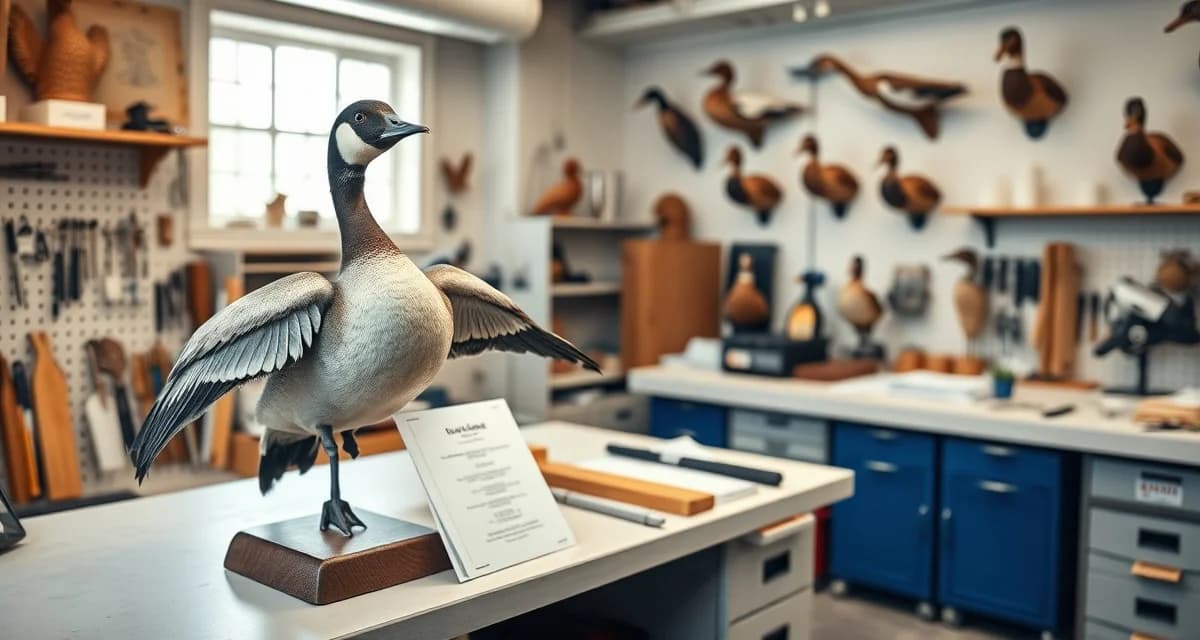
Waterfowl Season Preparation for Texas Taxidermy Shops
Texas Central Flyway is one of the top four waterfowl migration routes in North America. Combined with Texas's deer season (one of the longest in the country) Texas taxidermy shops face multi-species intake complexity that few other states match.
TPWD and federal migratory bird documentation must both be verified at Texas waterfowl intake. Neither takes precedence over the other, both are required simultaneously.
TL;DR
- What TPWD and federal documentation must Texas shops be ready with for duck season?
- TPWD and federal migratory bird documentation must both be verified at Texas waterfowl intake.
- Both TPWD and federal documentation requirements must be in your intake system as required fields before waterfowl season opens.
- TPWD and federal requirements apply simultaneously, both must be satisfied for every waterfowl intake.
- Combined with Texas's deer season (one of the longest in the country) Texas taxidermy shops face multi-species intake complexity that few other states match.
- How do Texas shops manage deer and waterfowl season intake simultaneously?
Texas's Dual-Season Context
Texas deer season runs from early October archery through mid-January, with various gun season windows throughout. Duck and goose seasons open in late October and run through late January.
That means from October through January, Texas taxidermists may simultaneously be taking in:
- White-tailed deer from South Texas and Hill Country hunters
- Mule deer from West Texas
- Waterfowl from the Central Flyway, mallards, pintail, teal, geese
Each species category has its own documentation requirements. A taxidermist who handles all three in the same shop needs an intake system that manages the species-specific compliance requirements without requiring the operator to remember which fields apply to which animal.
Texas TPWD Documentation for Waterfowl
Texas Parks and Wildlife Department requires documentation for all legally harvested waterfowl. Combined with federal requirements:
State TPWD requirements:
- Valid Texas hunting license
- Texas Migratory Game Bird stamp (required for duck hunting)
- Species confirmation
Federal requirements:
- Federal Duck Stamp from year of harvest
- Species documentation (federal limits vary by species)
- Federal salvage permit verification before taxidermist acceptance
Both TPWD and federal documentation must appear in your intake record. A duck accepted with state documentation but missing federal permit verification is a federal compliance failure regardless of state compliance.
Texas's Waterfowl Species Diversity
The Central Flyway brings a wide variety of waterfowl through Texas. In addition to common mallards and teal, Texas hunters harvest:
- Pintail (reduced limits, federal limit has been as low as 1 per day)
- Canvasback (carefully managed federal limits)
- Redhead (Gulf Coast diving ducks)
- Various goose species (snow, Canada, white-fronted)
Species identification at intake is critical because different species have different federal limits. Accepting a pintail or canvasback without confirming it was within the hunter's legal limit is accepting potential compliance risk.
Goose Hunting: Additional Documentation Considerations
Texas has significant goose hunting, particularly in the Gulf Coast marshes and agricultural fields. Snow goose hunting in the Light Goose Conservation Order (LCGO) season runs into March with extended seasons and electronic calls.
LCGO geese don't require the same documentation as regular season geese for taxidermy purposes, but confirming that geese were taken during legal seasons and with appropriate authorization is still required.
Texas Deer and Waterfowl Species-Specific Intake
The practical challenge for Texas shops is consistent documentation across three distinct species categories in the same season:
- White-tailed deer: TPWD harvest tag documentation
- Mule deer: TPWD documentation (West Texas specific)
- Waterfowl: TPWD and federal permit documentation, species identification
An intake system that applies species-specific required fields automatically removes the compliance risk of applying deer documentation standards to a duck intake.
Frequently Asked Questions
How do Texas taxidermists prepare for waterfowl season?
Both TPWD and federal documentation requirements must be in your intake system as required fields before waterfowl season opens. Federal Taxidermist Permit and Texas taxidermist license both current. Species identification fields active for all waterfowl intake, with particular attention to reduced-limit species like pintail and canvasback. The concurrent deer season means waterfowl preparation happens simultaneously with late-season deer intake management.
How do Texas shops manage deer and waterfowl season intake simultaneously?
Species-specific intake workflows that automatically apply TPWD harvest tag documentation for deer and federal-plus-TPWD permit documentation for waterfowl. QR tags label every specimen at intake. For shops taking all three deer and waterfowl categories, dedicated intake flow for each species type prevents the documentation mixing that creates compliance gaps.
What TPWD and federal documentation must Texas shops be ready with for duck season?
Texas hunting license and Texas Migratory Game Bird stamp verification at intake for all waterfowl. Federal Duck Stamp year and federal permit number for each hunter. Species identification for all birds. Your Federal Taxidermist Permit and Texas taxidermist license both current before October duck season opener. TPWD and federal requirements apply simultaneously, both must be satisfied for every waterfowl intake.
How does this apply to solo taxidermy shops?
The principles in this guide apply to solo shops just as they do to larger operations, though the scale differs. A single-person shop may have lower absolute volume but faces the same documentation, compliance, and customer communication requirements. The practical advice here scales down to any shop size.
What is the most common mistake taxidermists make with waterfowl season prep texas?
The most common mistake is treating waterfowl season prep texas as an afterthought rather than building it into the standard workflow from the start. Shops that encounter problems in this area typically did not establish clear processes before season, which means every situation becomes a one-off decision rather than a standard response.
Related Articles
- Waterfowl Season Preparation for North Dakota Taxidermy Shops
- Bear Season Preparation for Maine Taxidermy Shops
- Bear Season Preparation for Wisconsin Taxidermy Shops
- Deer Season Preparation for Arkansas Taxidermy Shops
Try These Free Tools
Put these insights into practice with our free calculators and planners:
Sources
- National Taxidermists Association (NTA)
- US Fish & Wildlife Service
- Ducks Unlimited
Get Started with MountChief
Fish and waterfowl jobs require the same organized intake and tracking as big-game work. MountChief handles every species type with the same efficient intake system, customer portal, and production tracking. Try MountChief to manage all your species types in one organized platform.