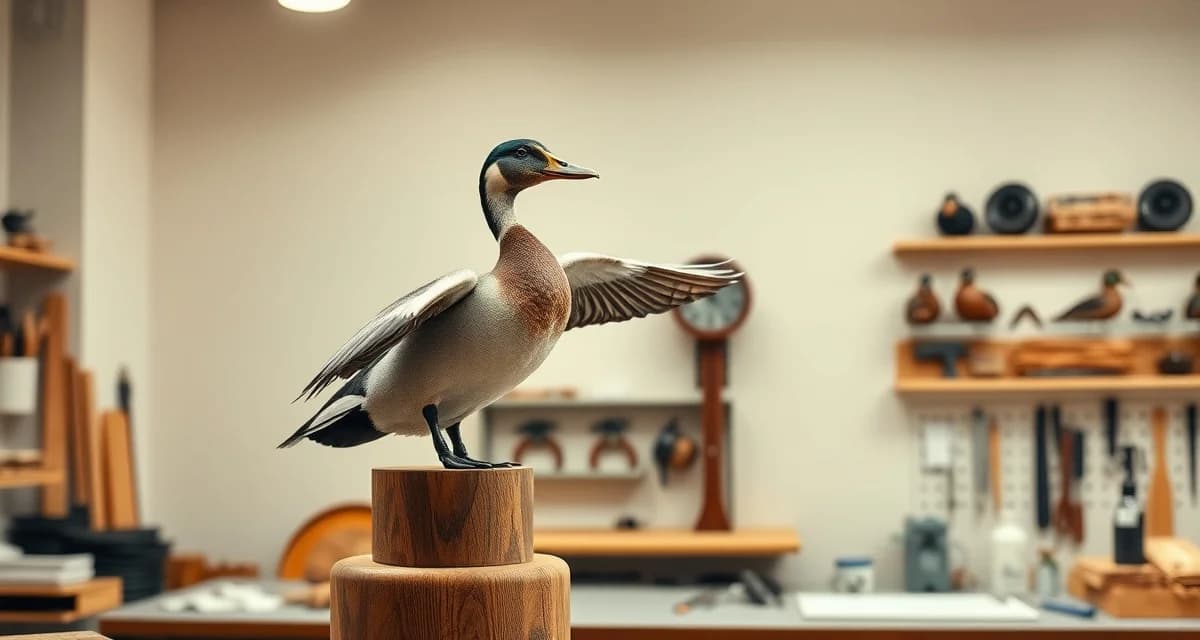
How Much Does a Duck Mount Cost?
The short answer: A full-body duck mount costs $175-$400 at most US taxidermists in 2026. The range reflects species size, pose complexity, and regional pricing differences. Simpler wall mounts (wings only or flat panel displays) run $75-$175.
TL;DR
- Full-body duck mounts typically cost $200-$450 depending on species, pose complexity, and shop.
- Simpler species like mallards at the low end of the range; sea ducks and challenging diving ducks at the higher end.
- Habitat additions like driftwood, cattails, or water bases add $50-$200 to the base price.
- Duck mounts do not require tannery processing, which is why they turn faster than big-game mounts.
- Most duck mounts are completed in 8-14 weeks at a mid-volume shop.
2026 Duck Mount Pricing by Species
Larger ducks and more complex poses push prices higher. Here's what you can expect:
| Species | Typical Full-Body Range |
|---|---|
| Teal (Blue-winged, Green-winged) | $150-$250 |
| Wood Duck | $200-$325 |
| Mallard | $200-$300 |
| Pintail | $225-$350 |
| Canvasback | $225-$325 |
| Goldeneye | $200-$300 |
| Bufflehead | $175-$275 |
| Eider | $275-$400 |
| Ruddy Duck | $175-$250 |
| Canada Goose | $400-$650 |
| Snow Goose | $350-$550 |
| Specklebelly Goose | $400-$600 |
These ranges are for standard full-body swimming or standing mounts. Flying mounts with wings spread, or mounts with elaborate habitat, cost more.
What Affects Duck Mount Pricing
Species and size. A bufflehead is a small diving duck; a Canada goose is large. The taxidermist's material costs and labor time both scale with size.
Pose complexity. A swimming pose on a basic base is simpler than a landing bird with wings spread. A flying mount, wings fully extended, bird positioned in flight, is the most labor-intensive option and commands a premium.
Habitat and base. A duck on a simple piece of driftwood or flat water surface is standard pricing. A diorama with artificial water, cattails, and habitat material adds $50-$200+ depending on complexity.
Pair mounts. Mounting a drake and hen together in a paired scene is increasingly popular. The discount for pairing varies by shop, some offer 10-15% off the second bird; others price them individually.
Regional pricing. The Pacific flyway states tend to run higher prices. The Mississippi flyway states (WI, IL, IA, MN, MO) are often moderately priced. Southern states (AR, LA) with high duck hunting concentration often have competitive pricing.
Why Duck Work Costs More Per Pound Than Deer
Waterfowl taxidermy is labor-intensive relative to the size of the specimen. The feather work is detailed, individual feathers need to be cleaned, positioned, and sometimes replaced if damaged. The skin degreasing step requires significant time for diving ducks. And the coloration work on a wood duck or pintail drake, done well, is genuinely artistic work.
A mallard drake's iridescent green head, precise speculum bar detail, and curled tail feathers take skill to get right. The best duck taxidermists in the country command $350-$500+ for a single mallard because that level of detail is worth it to serious waterfowlers.
What You Must Have for Duck Work
Federal waterfowl compliance requirements are non-negotiable:
- Federal Duck Stamp, signed by the hunter, must be on file with the taxidermist
- State migratory bird hunting license
- HIP certification where required
No duck stamp documentation on file means your taxidermist can't legally work on your duck. This isn't optional. Bring your documentation when you drop off.
Related Articles
- How Much Does a Taxidermist License Cost in Each State?
- How Much Does Tannery Processing Cost for Taxidermists?
- How Long Does an Elk Taxidermy Mount Take?
- How Does a Taxidermist Ship a Finished Mount?
FAQ
Is it cheaper to mount multiple ducks at once?
Some shops offer a discount for multi-bird drop-offs from the same hunter, but it's not universal. It's worth asking. Bring your documentation for each bird, separate harvest documentation is required regardless of how many birds you're mounting.
How long does a duck mount take?
Typically 8-14 weeks. Duck and goose work doesn't require a tannery trip (unlike deer), so turnaround is faster. The timeline is mostly drying time and bench work. See our detailed duck mount timeline guide for more specifics.
Can I mount a duck I found dead (not harvested)?
No, not legally. The Migratory Bird Treaty Act makes it illegal to possess any migratory bird parts without documentation of legal harvest. Finding a dead duck by the roadside or on a lake doesn't give you legal possession for mounting purposes. A taxidermist who accepts a found migratory bird without proper documentation is creating a compliance problem for both parties.
Why do duck mounts cost less than deer shoulder mounts?
Duck mounts skip the tannery step that adds both cost and time to big-game work. Duck skins are preserved differently than mammal hides and do not require the same chemical tanning process. The lower material and processing costs translate directly to lower mount prices, though skilled waterfowl taxidermy is still a specialized craft that requires significant experience.
How do I get the best color preservation on a duck mount?
Color preservation begins in the field. Waterfowl feathers are delicate and damage quickly from rough handling, heat, or improper storage. Cool the bird immediately after harvest, wrap it carefully without compressing feathers, and freeze it in a natural position if you are not taking it to the taxidermist the same day. Taxidermists who receive well-preserved birds produce noticeably better color in finished mounts.
Does it matter what species my duck is for pricing?
Yes. Larger species like Canada geese or pintails require more materials and time than smaller ducks. Species with complex plumage patterns require more finish work. Some taxidermists specialize in waterfowl and charge at the higher end of the range for that expertise. Ask your taxidermist for a species-specific quote.
Try These Free Tools
Put these insights into practice with our free calculators and planners:
Sources
- National Taxidermists Association (NTA)
- US Fish & Wildlife Service, Migratory Bird Program
- Ducks Unlimited
- Breakthrough Magazine
Get Started with MountChief
Waterfowl season creates a distinct intake window with its own pace and requirements. MountChief's intake system handles duck and waterfowl jobs alongside big game, tracks each job through production, and keeps your migratory bird documentation complete. Try MountChief before waterfowl season opens.