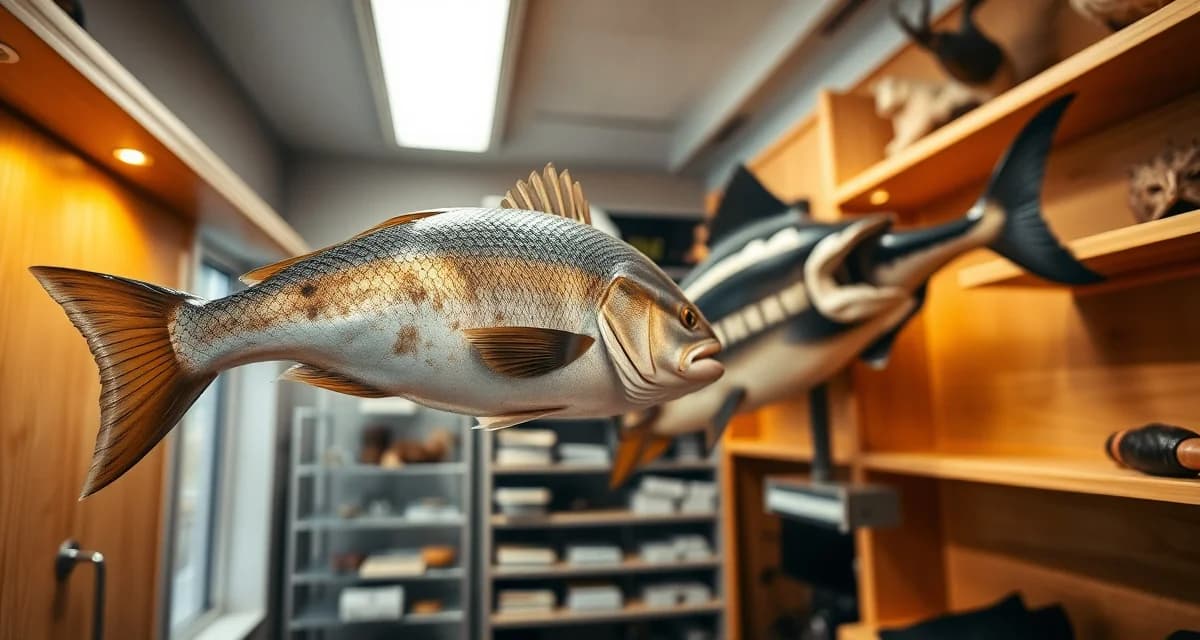
Fish Replica vs Skin Mount: Which is Better?
The short answer: Replicas are more durable, produce more consistent results, and let you release the fish. Skin mounts preserve the original fish but are more susceptible to long-term deterioration. For most tournament fish or fish with sentimental value, replicas are the professional recommendation. For common species where the original fish is important to the angler, skin mounts remain the choice.
TL;DR
- Fish skin mounts use the actual fish skin over a form; replicas are fiberglass reproductions made from measurements and photos.
- Replicas allow catch-and-release since the actual fish is not needed.
- Skin mounts take 8-14 weeks; fiberglass replicas often take 4-10 weeks.
- Replicas cost more than skin mounts for equivalent sizes but do not require the fish at all.
- Color accuracy on a replica depends entirely on the quality of the reference photos provided at intake.
- Replicas are not affected by fish condition at intake; skin mounts depend heavily on how the fish was handled.
What's the Difference?
Skin-on mount: The actual fish is skinned, the skin is preserved, and it's mounted over a form (typically foam or fiberglass). The fins may be dried in position or supported with wire. The result is the original fish's skin on a sculpted body.
Fiberglass reproduction (replica): The fish is measured and photographed at capture, then released. A taxidermist creates a reproduction from fiberglass using measurements and photos, custom-painted to match the fish's actual coloration. The result is a reproduction that never contained the original fish.
Advantages of Replicas
You can release the fish. For catch-and-release anglers, trophy fish, or out-of-season catches, this is the deciding factor. Photograph the fish from both sides, measure length and girth, and release it. The replica is built from those measurements.
More consistent results over time. Skin mounts are subject to shrinkage as they dry, fin edges can curl, colors can fade, and the skin can become brittle if humidity isn't carefully controlled. A fiberglass replica doesn't shrink or fade the same way and typically holds its color and form for decades longer than a skin mount.
Better coloration options. Painters working from reference photos can reproduce the fish's exact coloration and even capture markings that would otherwise fade during the preservation process. Skin mounts often lose some color vibrancy as the skin dries.
Safer for species with delicate scales. Species like brook trout or walleye have scales that are easily damaged during the skinning process. A replica avoids that risk entirely.
Advantages of Skin Mounts
The original fish. For some anglers, particularly those who've caught a truly exceptional specimen or have strong emotional attachment to the fish itself, having the actual skin is important. There's no replica equivalent for that.
Better for common, non-trophy fish. If you have a nice bass from a family fishing trip and you're not pursuing catch-and-release, keeping the fish and doing a skin mount is a reasonable choice.
Cost. Depending on the species and size, skin mounts are sometimes less expensive than replicas for smaller, common species. For large fish, costs are comparable or the replica may be less expensive.
When Replicas Are Clearly the Better Choice
- Any tournament-caught fish or fish released before the decision to mount was made
- Trophy-sized fish of catch-and-release species (musky, pike, most trout species in catch-and-release fisheries)
- Species with delicate skin or scales
- Fish where long-term appearance matters (a wall fish you want to look perfect in 40 years)
- Fish from remote locations where bringing the specimen back is impractical
When Skin Mounts Make Sense
- The fish is already dead and you have the specimen in hand
- You specifically want the original fish preserved
- Common species at normal sizes where the sentimental value is in the specific fish, not just the species
What Taxidermists Actually Recommend
Most experienced fish taxidermists recommend replicas for anything trophy-sized or species that the angler releases regularly. The reproduction quality of modern fiberglass replicas, with accurate color matching and fin detailing, is exceptionally good, and the long-term durability advantage is significant.
"I've seen 30-year-old skin mounts that look rough and 30-year-old replicas that still look great," is a common statement from experienced fish taxidermists. The durability difference is real over long timeframes.
Related Articles
- What is the Difference Between a Shoulder Mount and European Mount?
- How Much Does a Duck Mount Cost?
- Can I Get a Fish Mounted from a Frozen Fish or Does It Need to Be Fresh?
- How Much Does a Deer Shoulder Mount Cost in 2026?
FAQ
How do I provide measurements for a replica?
When you catch a trophy fish you're considering having reproduced, measure: total length (tip of mouth to end of tail, tail compressed), girth (around the widest point of the body), and if possible, the distance from the snout to the dorsal fin. Photograph both sides of the fish, plus top and belly views if possible. Take these photos in good light before the fish's colors begin to fade, colors fade quickly after death. Most taxidermists can work from standard length and girth measurements plus photos.
Are replicas identifiable as reproductions, or do they look like the real fish?
To an expert eye looking closely, yes. To most observers, including the angler who caught the fish, a well-made replica is indistinguishable from a skin mount when displayed on a wall. The quality of reproduction today is excellent. The color matching and anatomical accuracy of top-tier fish taxidermists working in fiberglass is genuinely remarkable.
How much does a fish replica cost compared to a skin mount?
For larger fish (30"+ bass, 20+ lb walleye, musky), reproduction costs typically run $300-$600 for a quality fiberglass replica. Skin mounts in the same size range are often comparable or slightly less expensive. For smaller fish (standard bass, panfish), skin mounts are often less expensive than custom replicas. The price gap narrows significantly for large, trophy-sized fish.
Which lasts longer, a skin mount or a replica?
Fiberglass replicas generally outlast skin mounts over decades because they are not subject to the same deterioration risks as preserved organic material. A properly done skin mount can last 50 years or more, but replicas are immune to the moisture and pest issues that occasionally affect skin mounts over very long periods.
What photos should I take of a fish if I plan to get a replica?
Take multiple photos from directly above, directly below, and both sides before releasing the fish. Include a measuring tape in at least one photo showing length and girth. Photograph the fish immediately after landing before color fades. The taxidermist will use these photos to paint the replica accurately, so more angles and better lighting produce a more accurate finished piece.
Can I get a replica of a fish I released but did not photograph well?
Yes, but the color accuracy will be limited to what reference materials the taxidermist can find for your species. For common species like largemouth bass, walleye, or rainbow trout, taxidermists have extensive reference libraries and can produce accurate color without your specific fish photos. For unusual or regionally variable species, better photos from your actual fish produce better results.
Try These Free Tools
Put these insights into practice with our free calculators and planners:
Sources
- National Taxidermists Association (NTA)
- Breakthrough Magazine
- Bass Anglers Sportsman Society (B.A.S.S.)
- Taxidermy Today
Get Started with MountChief
Whether your customers bring in fish for skin mounts or want replicas for catch-and-release trophies, MountChief handles both job types with the same efficient intake and tracking system. Try MountChief to keep your fish taxidermy jobs organized from intake to pickup.