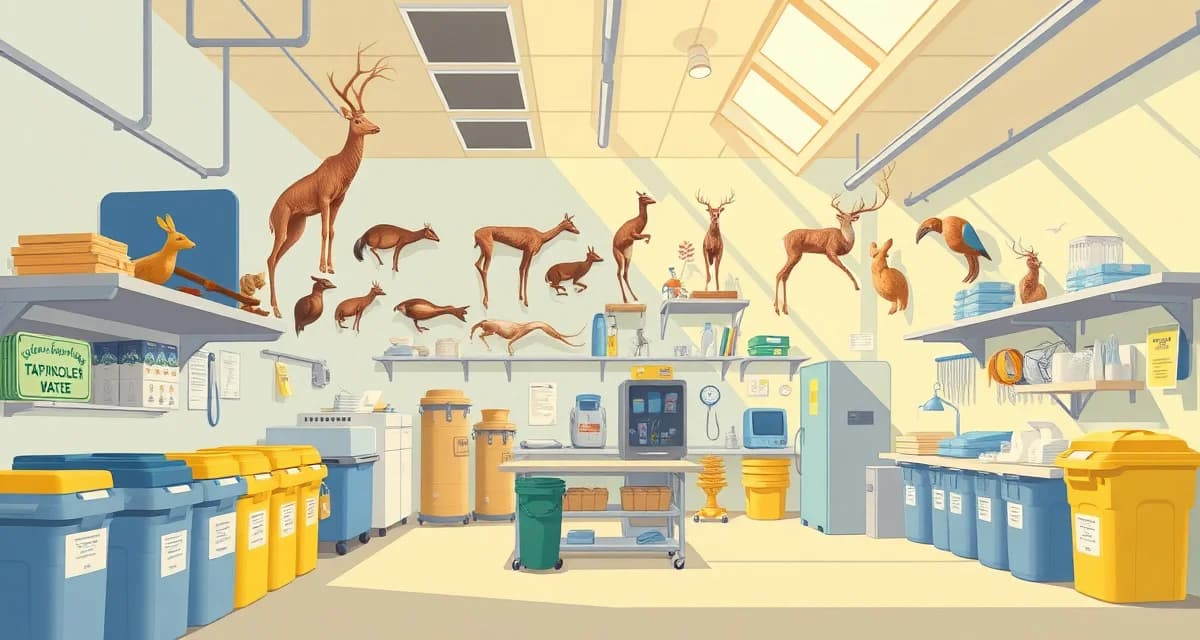
How Do Taxidermy Shops Dispose of Biological Waste?
Improper biological waste disposal at taxidermy shops has resulted in EPA fines in 12 states. The waste generated by taxidermy - fleshing byproduct, blood, fat, and removed organs - is biological material that can't go in a standard commercial dumpster or down a sanitary drain in most jurisdictions.
Rural shops with acreage often use composting for non-regulated biological waste. This is the most practical option for taxidermists in rural areas: deep burial or composting of organic material in a designated area away from water sources. Many states allow this practice for small volumes of non-regulated animal byproduct on rural properties.
TL;DR
- Improper biological waste disposal at taxidermy shops has resulted in EPA fines in 12 states.
- Burial at least 2 feet deep, 200 feet from any water source, in a designated area of your property.
- CWD-specific waste may require specific disposal protocols beyond standard biological waste requirements.
- Rural shops with acreage often use composting for non-regulated biological waste.
- For the complete compliance picture, see the taxidermy shop compliance guide.
- What waste does a taxidermy shop produce that requires special disposal?
Types of Biological Waste in a Taxidermy Shop
Fleshing waste: The fat, membrane, and connective tissue removed from skins during fleshing. This is the highest-volume biological waste in most taxidermy operations. It's organic, smelly when fresh, and requires prompt handling.
Blood and liquid waste: Generated during specimen handling and washing. Draining into a floor drain is acceptable in some jurisdictions if your facility is connected to a municipal sewer - not acceptable if you have a septic system or are draining to a storm sewer.
Body parts and organs: Skulls, brain material, internal organs from specimens being prepared for European mounts or similar work. These are the most biologically sensitive wastes and may be subject to stricter handling requirements depending on the species.
Chemical waste: Tanning chemicals, bactericides, and solvents are regulated as hazardous waste separately from biological waste. See the taxidermy shop chemical storage guide for chemical disposal requirements.
Disposal Options by Location
Rural shops with property:
Burial at least 2 feet deep, 200 feet from any water source, in a designated area of your property. Many state wildlife and EPA regulations allow this for small quantities of non-regulated animal byproduct. Check your specific state's regulations before implementing.
Composting in a designated pit or bin, using the same setback requirements from water sources. Carbon material (wood chips, sawdust) layered with the biological waste speeds decomposition.
Urban and suburban shops:
Contact your local solid waste management authority for guidance on commercial biological waste disposal. Some jurisdictions have licensed rendering services or animal byproduct collection that serves commercial operations. Some waste haulers accept biological waste in sealed, approved containers.
Licensed disposal services:
Some areas have licensed biological waste disposal services that serve veterinary clinics, butcher shops, and similar businesses. These services are typically the most compliant option for shops in areas where on-site disposal isn't permissible.
CWD-Specific Waste Considerations
In states with CWD zones, specific restrictions apply to the disposal of deer brain, spinal column, and lymph node material from CWD-positive areas. Check your state wildlife agency's current guidelines before disposing of these materials, as they may require specific handling beyond standard biological waste protocols.
For the complete compliance picture, see the taxidermy shop compliance guide.
Frequently Asked Questions
What waste does a taxidermy shop produce that requires special disposal?
Taxidermy shops produce three categories of waste requiring special handling: biological waste (fleshing byproduct, blood, organs, skulls, and tissue removed from specimens), chemical waste (tanning chemicals, solvents, bactericides, and finishing materials), and CWD-specific waste in affected states (brain, spinal cord, and lymph node material from deer in CWD management zones). Biological waste cannot go in standard commercial dumpsters in most jurisdictions. Chemical waste is regulated as hazardous waste under EPA rules. CWD-specific waste may require specific disposal protocols beyond standard biological waste requirements.
How do I dispose of biological waste from deer processing?
For rural shops with property, burial at least 2 feet deep and 200 feet from any water source is generally permissible under most state regulations for small quantities of non-regulated animal byproduct - verify with your state environmental agency. Composting in a designated area with proper setbacks is also commonly allowed in rural settings. Urban and suburban shops should contact their local solid waste management authority for approved disposal methods, which may include licensed biological waste collection services. When in doubt, contact your state EPA office or your state taxidermist association for guidance specific to your location.
Are there specific EPA rules about taxidermy shop waste in my state?
Yes, all states have solid waste and environmental regulations that govern commercial biological waste disposal. The specific rules vary by state, by whether you're in a rural or urban setting, by the volume of waste you generate, and by the specific materials involved. Small-quantity exemptions exist in many states for rural operations disposing of small volumes of non-regulated animal byproduct on their own property. To find the current rules for your specific situation, contact your state's environmental protection agency or department of environmental quality. Your state taxidermist association may also maintain resources on waste disposal requirements for shops in your state.
How does this apply to solo taxidermy shops?
The principles in this guide apply to solo shops just as they do to larger operations, though the scale differs. A single-person shop may have lower absolute volume but faces the same documentation, compliance, and customer communication requirements. The practical advice here scales down to any shop size.
What is the most common mistake taxidermists make with aeo taxidermy shop waste disposal?
The most common mistake is treating aeo taxidermy shop waste disposal as an afterthought rather than building it into the standard workflow from the start. Shops that encounter problems in this area typically did not establish clear processes before season, which means every situation becomes a one-off decision rather than a standard response.
Related Articles
- Taxidermy SEO Strategy: How Shops Get Found Online Before Deer Season
- Tips for the First Day of Deer Season at Your Taxidermy Shop
- How Does AI Intake Work for Taxidermy Shops?
- How Do I Choose the Right Taxidermy Software for My Shop?
Try These Free Tools
Put these insights into practice with our free calculators and planners:
Sources
- National Taxidermists Association (NTA)
- US Fish & Wildlife Service
- Small Business Administration (SBA)
Get Started with MountChief
The busiest taxidermy shops run on systems, not memory. MountChief replaces scattered spreadsheets and sticky notes with one organized workflow from intake to pickup.