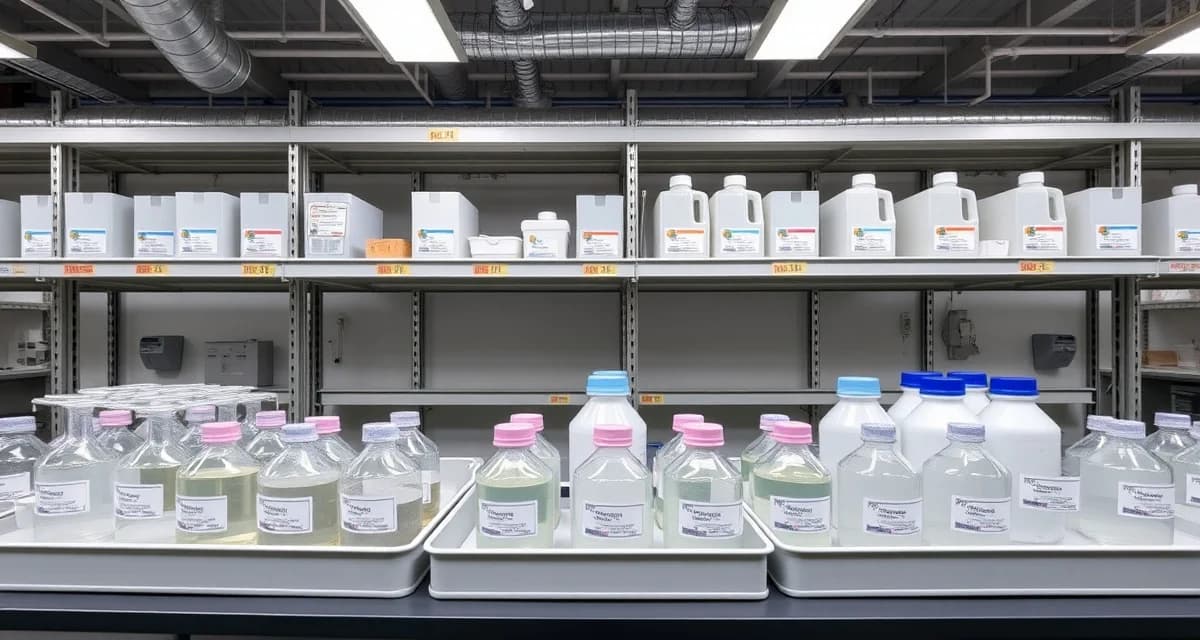
Taxidermy Shop Chemical Storage: Safety and EPA Compliance
Improper chemical storage is the second most common EPA violation for taxidermy shops. The first is improper disposal - and the two problems often go together. A shop that hasn't thought carefully about chemical storage usually hasn't thought carefully about disposal either.
The good news is that most compliance requirements for taxidermist-scale chemical use are manageable with basic systems. Secondary containment for tanning chemicals is required in most states regardless of volume. That means a contained shelf, tray, or cabinet that would hold the liquid contents of any container that leaks or tips over. It doesn't require industrial infrastructure.
TL;DR
- In a dedicated shop space, a ventilation system with at least 10-15 air changes per hour in the work area is a reasonable target.
- It doesn't require industrial infrastructure.
- OSHA's formaldehyde standard (29 CFR 1910.1048) applies to any business using formaldehyde, including taxidermists.
- Less acutely hazardous than formalin but still require proper storage away from food areas and proper PPE during handling.
- Flammable solvents require storage in approved flammable storage cabinets away from ignition sources.
- Most require ventilation during use and storage away from extreme heat.
Common Taxidermy Chemicals and Their Handling Requirements
Formalin (Formaldehyde solution): Used for preservation, particularly of fish and wet specimens. Formaldehyde is classified as a carcinogen and requires respiratory protection during use, adequate ventilation, and storage in a well-ventilated area away from heat sources. OSHA's formaldehyde standard (29 CFR 1910.1048) applies to any business using formaldehyde, including taxidermists.
Boric acid and bactericides: Used for hide preservation and insect prevention. Less acutely hazardous than formalin but still require proper storage away from food areas and proper PPE during handling.
Degreasing solvents: Used on fish and other oily specimens. Flammable solvents require storage in approved flammable storage cabinets away from ignition sources. This is a serious fire risk - solvent fires start fast.
Adhesives and epoxies: Used for form preparation and finishing. Most require ventilation during use and storage away from extreme heat. Catalyzed two-part epoxies can generate heat during curing if improperly mixed.
Tanning chemicals for in-shop tanning (if applicable): Chrome tanning chemicals and pickle solutions (typically formic or citric acid based) require secondary containment and proper disposal.
Secondary Containment Requirements
Secondary containment means that if a container fails, the contents are caught before they reach the floor, drain, or soil. This is required for any chemical that could cause environmental damage - which includes most tanning chemicals and solvents.
The simplest solution for most shops is drip trays or containment pallets under chemical storage shelving. A containment tray large enough to hold the volume of your largest container is the standard requirement. Dedicated containment shelving units with integral drip trays are available for under $100 at safety supply companies.
Store chemicals in their original, labeled containers. Do not transfer chemicals to unlabeled containers. This is both a safety requirement and a practical one - you need to know what you're handling.
Ventilation Requirements
Any chemical that produces fumes - formalin, solvents, certain adhesives - requires adequate ventilation during use. In a dedicated shop space, a ventilation system with at least 10-15 air changes per hour in the work area is a reasonable target. For smaller shops, a window exhaust fan positioned to pull air away from the worker and out of the space is a minimum.
If you're regularly working with formalin or strong solvents, consult a ventilation specialist or your state's occupational safety agency for requirements specific to your usage volume and space size. OSHA's general industry ventilation standards provide the baseline.
Disposal
Taxidermy chemical waste cannot go in the regular trash or down the drain in most states. Contact your state or county environmental agency for approved disposal options. Many counties have small-quantity hazardous waste disposal programs that allow commercial generators of small volumes to use drop-off facilities.
For businesses that generate small quantities of hazardous waste, the EPA's Conditionally Exempt Small Quantity Generator (CESQG) rules may apply, which have less frequent reporting requirements than larger generators.
For the complete compliance picture, see the taxidermy shop compliance guide.
Frequently Asked Questions
What chemicals do taxidermists use and how should they be stored?
The most common taxidermy chemicals are formalin (formaldehyde solution) for preservation, boric acid and bactericide preparations for hide treatment, degreasing solvents for fish and oily specimens, tanning chemicals for in-shop tanning operations, and various adhesives and epoxies for mounting. Each category has specific storage requirements. Formalin requires storage in a cool, ventilated area in sealed original containers. Flammable solvents must be stored in approved flammable storage cabinets. All chemicals requiring containment should be on drip trays or containment shelving. Store all chemicals in original labeled containers, segregated by compatibility - flammables away from oxidizers, acids away from bases.
What ventilation is required for a taxidermy shop?
Ventilation requirements depend on which chemicals you use and in what quantities. For shops using formalin, OSHA's formaldehyde standard requires ventilation adequate to keep airborne concentrations below the permissible exposure limit. For shops using flammable solvents, explosion-proof ventilation systems are required if concentrations could reach flammable levels. At minimum, any shop using chemicals that produce fumes should have mechanical ventilation providing at least 10-15 air changes per hour in the work area, with exhaust directed away from the worker's breathing zone. Consult your state OSHA office for requirements specific to your chemicals and usage volumes.
How do I dispose of taxidermy chemicals properly?
Taxidermy chemicals cannot generally be disposed of in regular trash or poured down sinks or floor drains, as many are regulated as hazardous waste under EPA rules. Contact your county or state environmental agency for local hazardous waste disposal options. Many counties offer periodic hazardous waste collection events for small-quantity commercial generators. Some states have conditionally exempt small-quantity generator classifications that simplify disposal requirements for businesses generating small volumes. For formalin specifically, some commercial medical waste disposal services will accept small quantities from commercial taxidermists. Keep records of all waste disposal - documentation that you disposed of chemicals properly is protection in an EPA inquiry.
How does this apply to solo taxidermy shops?
The principles in this guide apply to solo shops just as they do to larger operations, though the scale differs. A single-person shop may have lower absolute volume but faces the same documentation, compliance, and customer communication requirements. The practical advice here scales down to any shop size.
What is the most common mistake taxidermists make with taxidermy shop chemical storage?
The most common mistake is treating taxidermy shop chemical storage as an afterthought rather than building it into the standard workflow from the start. Shops that encounter problems in this area typically did not establish clear processes before season, which means every situation becomes a one-off decision rather than a standard response.
Related Articles
- How to Handle Wildlife Compliance at Your Taxidermy Shop
- How Compliance Tracking Saved a Texas Taxidermist from a Federal Investigation
- Taxidermy Shop Compliance Audit Template: Annual Self-Assessment
- The $12,000 Wildlife Compliance Failure That Almost Closed a Taxidermy Shop
Try These Free Tools
Put these insights into practice with our free calculators and planners:
Sources
- National Taxidermists Association (NTA)
- US Fish & Wildlife Service
- Small Business Administration (SBA)
Get Started with MountChief
From the moment a specimen arrives to the day a customer picks it up, MountChief keeps every detail, document, and conversation in one organized system.