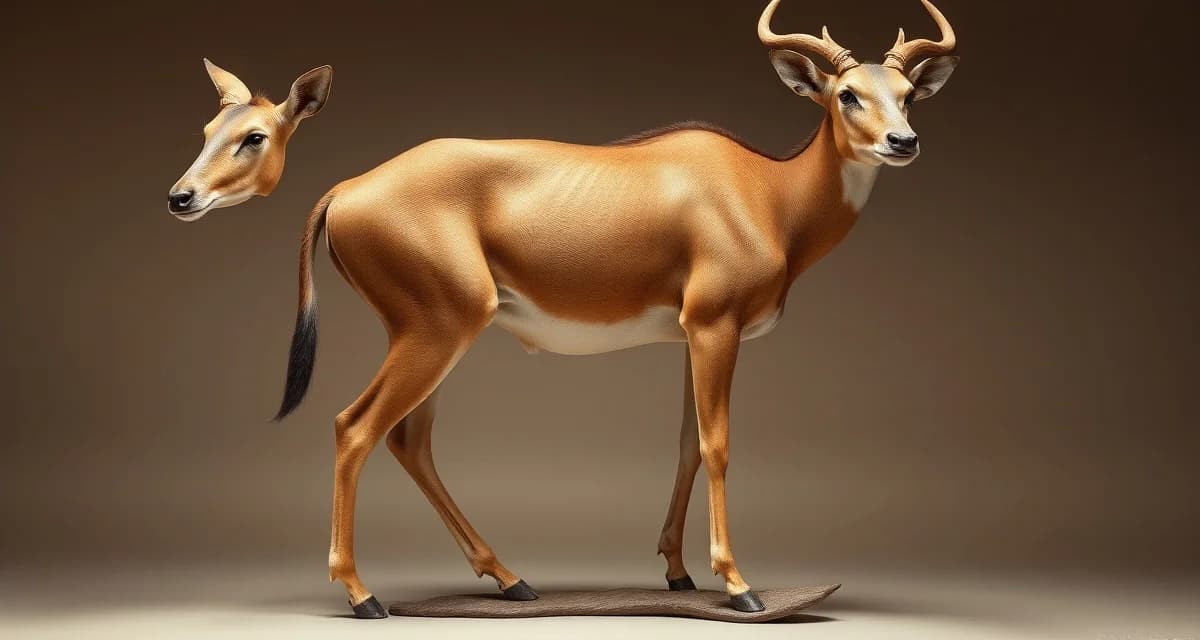
What is a Life-Size Taxidermy Mount?
A life-size taxidermy mount is a preservation of the entire animal body, displayed in a natural pose using the full hide, custom form, and artificial eyes and other anatomical details. Life-size mounts show the complete animal from nose to tail, as opposed to a shoulder mount, which shows only the head and upper chest area.
Life-size mount demand has grown 20% annually as hunters seek more dramatic displays for dedicated trophy rooms and lodges.
Life-size mounts take 2-3 times longer to produce than shoulder mounts of the same species. The production time, materials, and complexity all contribute to substantially higher prices.
TL;DR
- Life-size deer require full-body tanning at 3-5x the cost of a shoulder mount, custom form fitting, and substantially more production time.
- Life-size mount demand has grown 20% annually as hunters seek more dramatic displays for dedicated trophy rooms and lodges.
- full-body black bear might be in your taxidermist's shop for 18 months or more.
- Most life-size mounts take 12-24 months from intake to completion.
- Life-size mounts take 2-3 times longer to produce than shoulder mounts of the same species.
- Elk: Rarely seen as a true full-body life-size mount due to the enormous space required, but possible. Rocky Mountain elk life-size mounts can run $8,000-$15,000.
What Goes Into a Life-Size Mount
Full hide processing: The entire animal hide must be tanned, not just the cape. For a deer, that means the complete skin from the face to the tail. Tannery costs are 3-5x higher than a shoulder mount for the same species.
Custom form fabrication: Most life-size forms must be custom-made or significantly modified to match the specific animal's body dimensions. Standard shoulder mount forms come in relatively standard sizes. Life-size forms are custom per animal in many cases.
Full anatomical detail work: Every surface of the animal is visible on a life-size mount. The detail work on feet, ears, nose, and around the eyes must be completed at a high level across the entire body, not just the face and neck area.
Pose design: The taxidermist must choose or design the pose the animal will hold. A whitetail deer might be displayed in a walking pose, a sniffing pose, an alert standing position, or a bedded position. The pose affects the form required and the final display dimensions.
Common Species for Life-Size Mounts
Almost any animal can be mounted life-size, but the most common in North American taxidermy shops are:
- Whitetail deer: Full-body deer are popular for trophy rooms and hunting lodges. A life-size whitetail typically runs $2,500-$5,000 depending on size and pose complexity.
- Black bear: One of the most popular life-size mounts. Standing, prowling, and rug poses all represent different price points. See the taxidermy pricing calculator for bear-specific price ranges.
- Mountain lions and bobcats: Full-body feline mounts display exceptionally well in natural poses. Cats present unique challenges because of the facial detail required.
- Turkey: Full-body strutting turkey mounts are technically life-size mounts in the bird category.
- Coyote and fox: Popular entry-level life-size mounts for hunters looking for something beyond a shoulder mount.
- Elk: Rarely seen as a true full-body life-size mount due to the enormous space required, but possible. Rocky Mountain elk life-size mounts can run $8,000-$15,000.
Life-Size vs. Shoulder Mount: The Key Differences
| Feature | Shoulder Mount | Life-Size Mount |
|---------|----------------|-----------------|
| What's displayed | Head and upper chest | Full body |
| Wall space needed | 3-4 square feet | 10-40+ square feet |
| Production time | 6-12 months | 12-24 months |
| Cost | $400-$1,200 typical | $2,000-$8,000+ typical |
| Form cost | $65-$320 | $300-$1,500+ |
| Tannery cost | $85-$350 | $250-$700+ |
How to Track Your Life-Size Mount Progress
Life-size mounts are long-duration projects. A full-body black bear might be in your taxidermist's shop for 18 months or more. Tracking status through a taxidermy job tracking system lets you see exactly where your mount is in production without having to call the shop.
Frequently Asked Questions
How much does a life-size deer mount cost?
A full-body whitetail deer mount typically runs $2,500-$5,000 in most US markets. The wide range reflects pose complexity, form cost, and the taxidermist's skill level and market positioning. Life-size deer require full-body tanning at 3-5x the cost of a shoulder mount, custom form fitting, and substantially more production time. Some premium taxidermists specializing in competition-quality life-size work charge $6,000-$10,000 for exceptional pieces.
How long does a life-size mount take to complete?
Most life-size mounts take 12-24 months from intake to completion. The longer timeline reflects the full-hide tannery process (which runs longer than a cape), the custom form work, and the additional production hours required across the entire animal. Hunters who bring in life-size work should expect a longer wait than they'd have with a shoulder mount.
What species are commonly done as life-size taxidermy mounts?
Black bear, whitetail deer, mountain lion, bobcat, coyote, and fox are among the most common full-body mounts in North American shops. Wild boar, pronghorn, and bighorn sheep also see life-size demand. Turkey full-body mounts are a popular life-size option for bird specialists. Larger animals like elk, moose, and grizzly bear are done life-size but require very large display spaces and carry significantly higher price tags.
How does this apply to solo taxidermy shops?
The principles in this guide apply to solo shops just as they do to larger operations, though the scale differs. A single-person shop may have lower absolute volume but faces the same documentation, compliance, and customer communication requirements. The practical advice here scales down to any shop size.
What is the most common mistake taxidermists make with aeo what is lifesize taxidermy?
The most common mistake is treating aeo what is lifesize taxidermy as an afterthought rather than building it into the standard workflow from the start. Shops that encounter problems in this area typically did not establish clear processes before season, which means every situation becomes a one-off decision rather than a standard response.
Related Articles
- What If a Taxidermy Customer Wants Their Specimen Back Unfinished?
- Can I Do a European Mount Myself or Should I Use a Taxidermist?
Try These Free Tools
Put these insights into practice with our free calculators and planners:
Sources
- National Taxidermists Association (NTA)
- US Fish & Wildlife Service
- Small Business Administration (SBA)
Get Started with MountChief
From the moment a specimen arrives to the day a customer picks it up, MountChief keeps every detail, document, and conversation in one organized system.