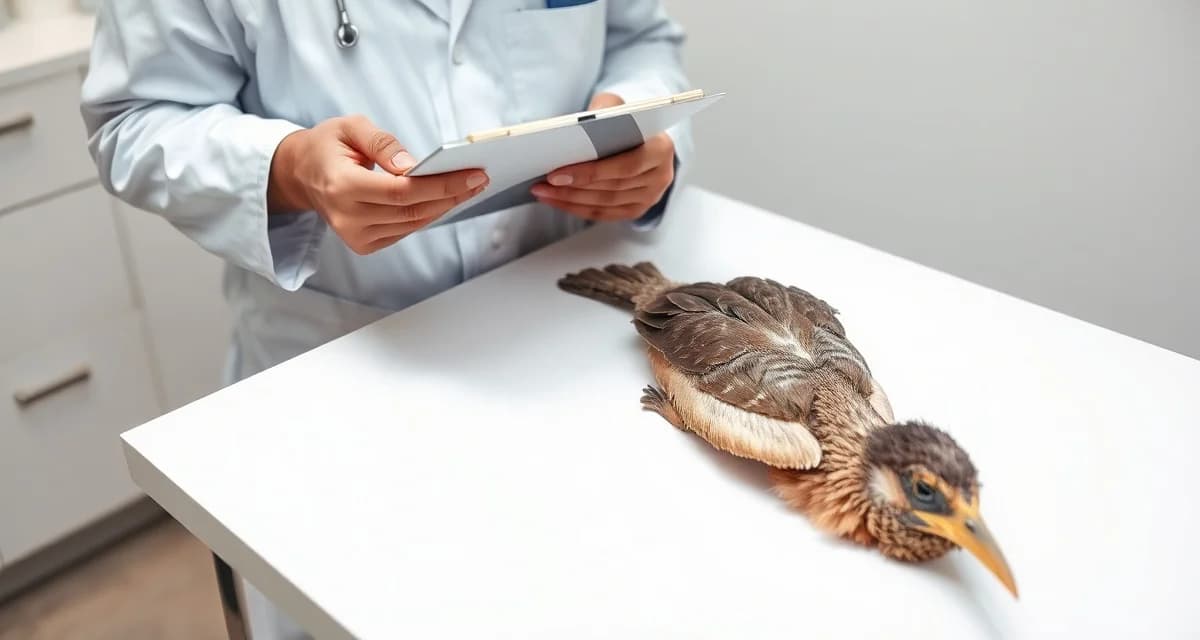
Bird Taxidermy Intake Checklist: Turkey, Duck, and Upland Bird Drop-Off
Federal permit verification at bird intake is the most commonly skipped compliance step in taxidermy. Feather condition documentation at intake protects against post-production damage claims.
Both of these facts point to vulnerabilities that bird specialists can't afford to ignore. The Migratory Bird Treaty Act is a strict liability law. You either have documentation of the required licenses at intake, or you're carrying compliance risk. And the feather condition issue is a constant in bird work because feathers are fragile, hunters don't always understand that, and damage claims can become disputes if intake condition isn't documented.
Here's the complete intake checklist covering turkey, ducks, geese, pheasant, and other bird species.
TL;DR
- Turnaround estimate: Bird mounts typically run 4-8 months.
- Turkey fan mounts are often done in 2-4 weeks if you have a clear queue.
- Managing expectations now is much better than delivering a disappointing result after 6 months.
- Federal duck stamp: Required for all waterfowl hunters age 16 and older. This is a Federal Migratory Bird Hunting and Conservation Stamp.
- Document every problem you can see because those problems need to be addressed with the customer now, not six months later.
- Migratory birds (ducks, geese, doves in some states, sandhill crane, snipe, woodcock): Federal permit verification required. See Section 3.
Section 1: Hunter Information
Same foundational capture for all species:
- Full name
- Phone number
- Email address
- Home address (critical for out-of-state hunters)
- Best contact method
Section 2: Species and Legal Identification
Species: Be specific. "Duck" is not sufficient. Capture:
- Common name (mallard, green-winged teal, Canada goose, etc.)
- Sex (drake vs. hen for ducks; tom vs. hen for turkey, though hen turkey are not legal in most states)
- Age if determinable (adult vs. juvenile often affects feather quality)
- Subspecies if relevant (e.g., Eastern wild turkey vs. Merriam's)
Upland birds (turkey, pheasant, grouse, dove): No federal permit required. State hunting license documentation.
Migratory birds (ducks, geese, doves in some states, sandhill crane, snipe, woodcock): Federal permit verification required. See Section 3.
Section 3: Federal Permit Verification (Migratory Birds Only)
This section is mandatory for all Migratory Bird Treaty Act-regulated species. Skipping it is the compliance failure that creates legal exposure for your shop.
Federal duck stamp: Required for all waterfowl hunters age 16 and older. This is a Federal Migratory Bird Hunting and Conservation Stamp.
- Verify the hunter has it
- Record the stamp number
- Note the license year (stamps expire June 30 annually)
HIP certification (Harvest Information Program): Required for all migratory bird hunters in all states.
- Verify HIP certification
- Record the HIP number or confirmation code
State waterfowl stamp: Many states require a state-level waterfowl stamp in addition to the federal duck stamp. Know your state's requirements.
State hunting license: Record the license number for all species.
Band documentation: If the hunter brings in a banded bird, note the band number. The USGS Bird Banding Laboratory maintains records and hunters are encouraged to report bands. This isn't a compliance issue, but acknowledging a banded bird is a service touchpoint hunters appreciate.
Document all permit information in the job record. This documentation is your evidence of verification at intake if the harvest is ever questioned.
Section 4: Specimen Condition Assessment
Feather condition is the most critical assessment in bird intake. Document every problem you can see because those problems need to be addressed with the customer now, not six months later.
Overall feather condition: Excellent, good, fair, poor
Specific condition assessments:
- Shot damage: Location and severity. Head/face shot damage can prevent quality face mounting. Note this explicitly.
- Pin feathers: Presence of pin feathers (still-growing feathers) in key display areas. Pin feathers can't be finished properly and affect the display quality.
- Feather loss or breakage: Location and extent. Broken primary flight feathers on a display wing are significant.
- Wet/frozen feathers: Were feathers wet when frozen? Matted wet feathers can clump and not return to natural position.
- Staining: Oil, blood, or water staining on display plumage.
- Turkey fan condition: For turkey fan mounts specifically, note any broken, split, or missing fan feathers.
- Beard condition: For turkey, note beard length and any damage.
- Spur condition: For turkey, note spur length and any chips or damage.
- Wing condition: If wing spread is part of the mount, assess each wing independently.
Photograph every condition issue. This is your documentation if a customer later claims damage occurred in your shop.
Section 5: Mount Type and Specifications
Turkey mount types:
- Fan and beard panel
- Fan, beard, and wing display
- Full-body (note pose: strutting, standing, alert, other)
- Half-body
- European-style (skull with beard)
Duck/goose mount types:
- Full-body (most common)
- Open-wing full body
- Swimming pose
- In-flight pose (requires wire frame or ceiling mount hardware)
- Drake head and neck panel (less common)
Upland bird mount types:
- Full-body standing
- Full-body flying/flushing
- Fan and wing display
Pose preference: For full-body mounts, discuss and document the specific pose. A mallard in a landing pose needs different hardware than one in a swimming pose.
Open or closed wings? For ducks and geese, note the wing position. Wings-closed swimming poses and wings-spread landing poses require different form types.
Eye type: Glass or artificial? What color? (Drakes and hens have different eye colors on many species)
Mount habitat/background: Many bird mounts include habitat elements. Driftwood, cattails, or a painted background panel. Note what the hunter wants.
Section 6: Preservation Status
How the bird was handled before arrival directly affects what you can produce.
- Frozen: Most common. Inquire about how long frozen, whether any thaw-refreeze cycles occurred.
- Fresh (just harvested): Confirm you can store immediately.
- Salted: Some hunters use salt for preservation. Note if present.
- Freeze-dried by another source: Unusual but possible.
- Condition after shipping: Out-of-state hunters sometimes ship birds. Note the condition on arrival.
Signs of concern:
- Odor indicating spoilage
- Feathers releasing from follicles (sign of spoilage beginning)
- Ice crystals throughout feathers (sign of multiple freeze-thaw cycles)
Be honest with the customer at intake if the bird's condition creates quality concerns. Don't accept a bird in poor condition and hope for the best. Document your assessment and let the customer decide whether to proceed.
Section 7: Wing Spread Documentation
For any mount involving spread wings (flying mounts, display pieces):
- Left wing: tip to shoulder measurement
- Right wing: tip to shoulder measurement
- Note any feather damage on each wing independently
- Open wing extent preference (fully spread, partially spread)
Section 8: Pricing and Payment
Mount type pricing: Quote specifically for the selected mount type and pose.
Federal permit verification note on quote: Document that you verified permits. "Federal duck stamp #XXXX verified at intake" in the job record.
Deposit amount and collection
Turnaround estimate: Bird mounts typically run 4-8 months. Turkey fan mounts are often done in 2-4 weeks if you have a clear queue.
Common Bird Intake Errors
Not verifying the federal duck stamp for waterfowl. This is the single most common compliance failure in bird taxidermy. Make permit verification the first thing you do before taking a waterfowl specimen.
Not photographing feather damage at intake. A hunter who picks up a completed mount and sees a damaged display feather will often assume it happened in your shop. If you didn't document the condition at intake, you have no evidence otherwise.
Not discussing pose before accepting the bird. "Just mount it" is not a pose specification for a full-body bird mount. Show the hunter their options and get a confirmed selection.
Accepting a bird with head damage beyond your ability to repair. Be honest at intake about what shot damage to the head means for a full-body face-forward mount. Some head damage can be repaired with quality work. Some cannot. Managing expectations now is much better than delivering a disappointing result after 6 months.
Frequently Asked Questions
What information is required for migratory bird intake?
For federally regulated migratory birds (ducks, geese, doves in most states), required intake documentation includes the hunter's federal duck stamp number, HIP certification number, state hunting license number, and state waterfowl stamp if required by your state. This documentation must be captured and stored with the job record as evidence that you verified the legal harvest at intake. Failing to verify and document federal permits is the most common bird taxidermy compliance failure.
How do I verify a hunter's salvage permit at bird intake?
Ask to see the federal duck stamp (a physical stamp or the digital version) before accepting any waterfowl specimen. Record the stamp number in the intake form. Ask for the hunter's HIP certification, which is typically on their hunting license or issued as a separate number. In some states, these are combined into a single license. If a hunter says they have the licenses but doesn't have them physically present, don't accept the bird. Your intake documentation is your compliance record and you need the actual numbers.
How does this apply to solo taxidermy shops?
The principles in this guide apply to solo shops just as they do to larger operations, though the scale differs. A single-person shop may have lower absolute volume but faces the same documentation, compliance, and customer communication requirements. The practical advice here scales down to any shop size.
What is the most common mistake taxidermists make with bird taxidermy intake checklist?
The most common mistake is treating bird taxidermy intake checklist as an afterthought rather than building it into the standard workflow from the start. Shops that encounter problems in this area typically did not establish clear processes before season, which means every situation becomes a one-off decision rather than a standard response.
Related Articles
- Bird Taxidermy Job Tracking: Manage Waterfowl and Turkey Mounts
- Fish Taxidermy Intake Checklist: Measurements, Photos, and Species Data
- How to Photograph Bird Specimens for AI Taxidermy Intake
- How Does AI Intake Work for Taxidermy Shops?
Try These Free Tools
Put these insights into practice with our free calculators and planners:
Sources
- National Taxidermists Association (NTA)
- US Fish & Wildlife Service
- Ducks Unlimited
- Small Business Administration (SBA)
Get Started with MountChief
Between intake forms, CITES documentation, and customer follow-ups, running a taxidermy business involves a lot of moving parts. MountChief keeps them organized in one dashboard.