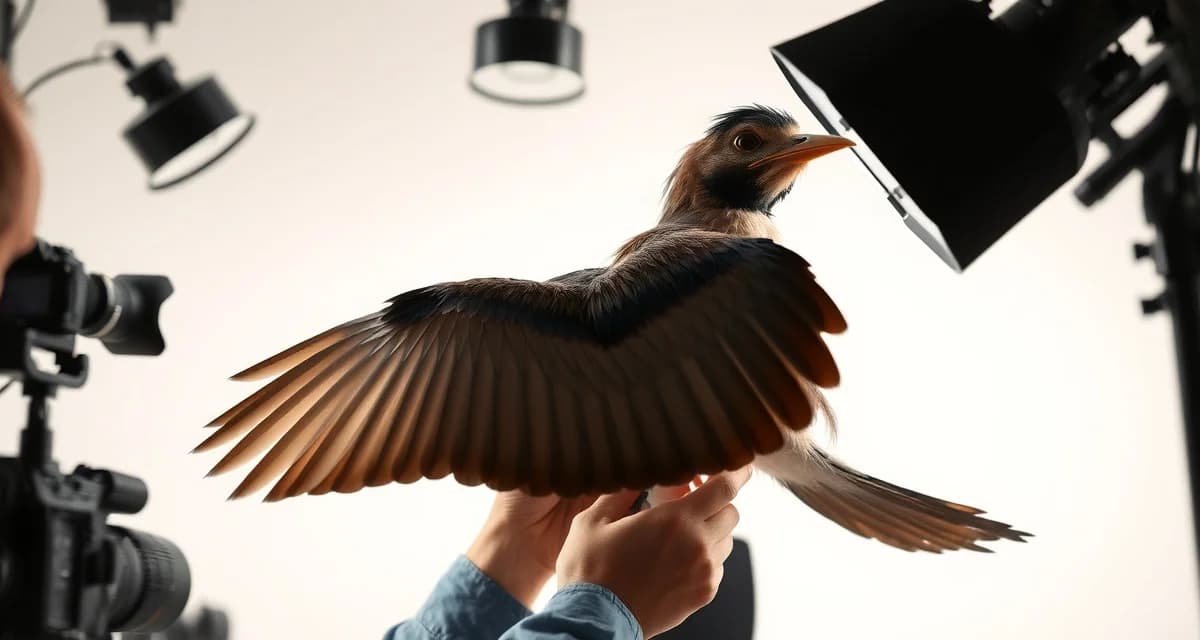
How to Photograph Bird Specimens for AI Taxidermy Intake
Feather detail photos at intake are the only reference if a customer disputes post-production feather condition. Wing spread documentation at intake is required for several regulated species submissions. And the photo set you build at bird intake is what both you and the AI intake system use to anchor the entire record.
Here's the complete protocol for photographing bird specimens at intake.
TL;DR
- This is the primary trophy element for fan mount customers.
- If a customer claims a broken primary feather at pickup and you have no intake photos showing it was already broken, you're in a difficult position.
- Comprehensive bird intake photography takes 2 to 3 minutes per bird.
- Photograph birds from slightly above at a 45-degree angle for overview shots, then move to near-level for close-up feather detail shots.
- The principles in this guide apply to solo shops just as they do to larger operations, though the scale differs.
- A single-person shop may have lower absolute volume but faces the same documentation, compliance, and customer communication requirements.
Why Bird Intake Photos Are Different
Bird intake photography is more demanding than deer or fish intake photography because feathers are both the primary quality indicator and the primary evidence in any condition dispute.
A poorly documented deer cape intake can be partially compensated for with measurements. A poorly documented bird intake (where feathers are damaged but undocumented) has no fallback. If a customer claims a broken primary feather at pickup and you have no intake photos showing it was already broken, you're in a difficult position.
Comprehensive bird intake photography takes 2 to 3 minutes per bird. It's worth every minute.
The Standard Bird Intake Photo Set
Photo 1: Full Body Overview (Show Side)
Lay the bird on a flat, clean surface in the position that most closely resembles its natural resting position. Photograph from above, showing the full body length from bill to tail.
This overview photo shows:
- Overall feather condition
- Any obvious missing or damaged feathers
- Bird size and proportions
- General presentation for mount style reference
Photo 2: Full Body Overview (Opposite Side)
Same as Photo 1 but from the opposite side. Both flanks documented.
Many birds have slight feather condition differences between sides. A bird that was hit on the left may have damaged left-side feathers while the right is perfect. Document both.
Photo 3: Head and Neck Close-Up
Photograph the head and neck in detail. This should show:
- Eye ring and eye condition (relevant for setting glass eyes accurately)
- Bill color and condition
- Head feather condition (especially iridescent crown feathers on ducks that show color variation)
- Neck feathers and any color or condition details
Head close-ups are especially important for species where the head is a focal point of the mount. Drake mallards, wood ducks, ring-necked pheasants.
Photo 4: Wing Spread Documentation
Open one wing fully and photograph it spread, showing:
- Primary feathers (the large outer flight feathers)
- Secondary feathers
- Wing coverts
- Any damaged or missing flight feathers
For the regulated species that require wing spread documentation at submission, this photo is the compliance record. For all other birds, it's the quality reference for any disputes about wing feather condition.
Photograph both wings if there's any condition difference between them.
Photo 5: Tail Fan or Display Feathers
For turkeys: photograph the fully spread fan from directly behind, showing all fan feathers. This is the primary trophy element for fan mount customers.
For other birds: photograph the tail feathers in a fanned position showing individual feather condition.
Photo 6: Any Damaged or Missing Feather Documentation
If any feathers are broken, missing, or damaged, photograph those areas specifically. Get close enough that the specific feather and its condition are clearly visible.
This is your protection against "that feather was fine when I brought it in" claims.
Lighting for Bird Intake Photography
Lighting matters more for bird photography than for most other taxidermy intake subjects because iridescent feathers (mallard head plumage, pheasant hackles, turkey fan iridescence) only show their true color in the right light.
Natural light is best. Near a window or outside on an overcast day produces even, accurate color.
Flash from a phone camera washes out iridescence. The brilliant green of a mallard head or the bronze sheen of a tom turkey's back will appear much less vivid with direct flash.
If your intake area doesn't have good natural light, consider a portable LED panel light for bird intake photography. The investment is small and the documentation quality improvement is significant.
Documenting Specific Regulated Species
Several regulated species have specific photographic documentation requirements for permit submission or record purposes.
Trumpeter swans and other protected species: If you ever receive a bird requiring special permits, comprehensive intake documentation including photos from all angles is part of the compliance record.
Eagles (if possessed under federal education or scientific permits): Comprehensive documentation is required.
Banded birds: Photograph the band in situ on the leg before removing it, showing the band number clearly.
AI Intake Integration
When your photos are taken with consistent protocol and good lighting, the AI intake system processes them more accurately. The AI can:
- Identify species from plumage in clear photos
- Detect feather condition indicators from detailed shots
- Flag any condition concerns for human review
Consistent photo angles and adequate lighting give the AI the best input. The result is more accurate AI processing and a more complete intake record with less manual data entry.
Frequently Asked Questions
What photos should I take at turkey or duck intake?
Minimum photo set: full body from both sides, head and neck close-up, wing spread on both wings, tail fan spread, and close-ups of any damaged or missing feathers. For turkey specifically, a full fan spread from directly behind is essential for both reference and any condition documentation of individual fan feathers.
How do I photograph wing spread at bird intake?
Hold the bird with one hand under the body and gently open one wing fully with the other hand. Lay the bird on its side and fully extend the wing toward you for the photo. Capture enough of the frame to show all primary and secondary feathers from base to tip. Photograph each wing separately if there are any condition differences between wings.
What lighting and angle shows feather condition best for bird intake documentation?
Natural light from a window or overcast outdoor light is ideal. It renders iridescent feathers accurately without the washing effect of direct flash. Photograph birds from slightly above at a 45-degree angle for overview shots, then move to near-level for close-up feather detail shots. Avoid direct overhead flash for species with iridescent plumage; the flash kills the color documentation quality.
How does this apply to solo taxidermy shops?
The principles in this guide apply to solo shops just as they do to larger operations, though the scale differs. A single-person shop may have lower absolute volume but faces the same documentation, compliance, and customer communication requirements. The practical advice here scales down to any shop size.
What is the most common mistake taxidermists make with how to photograph bird specimens?
The most common mistake is treating how to photograph bird specimens as an afterthought rather than building it into the standard workflow from the start. Shops that encounter problems in this area typically did not establish clear processes before season, which means every situation becomes a one-off decision rather than a standard response.
Related Articles
- Bird Taxidermy Intake Checklist: Turkey, Duck, and Upland Bird Drop-Off
- How to Photograph a Deer Cape for AI Taxidermy Intake
- How Does AI Intake Work for Taxidermy Shops?
- Do Taxidermists Need a Federal Permit for Migratory Birds?
Try These Free Tools
Put these insights into practice with our free calculators and planners:
Sources
- National Taxidermists Association (NTA)
- US Fish & Wildlife Service
- Ducks Unlimited
Get Started with MountChief
The results in this article are achievable in any shop that applies the same operational approach. MountChief provides the intake speed, tannery tracking, and customer communication tools that make this kind of improvement possible. Try MountChief to see what better systems do for your operation.