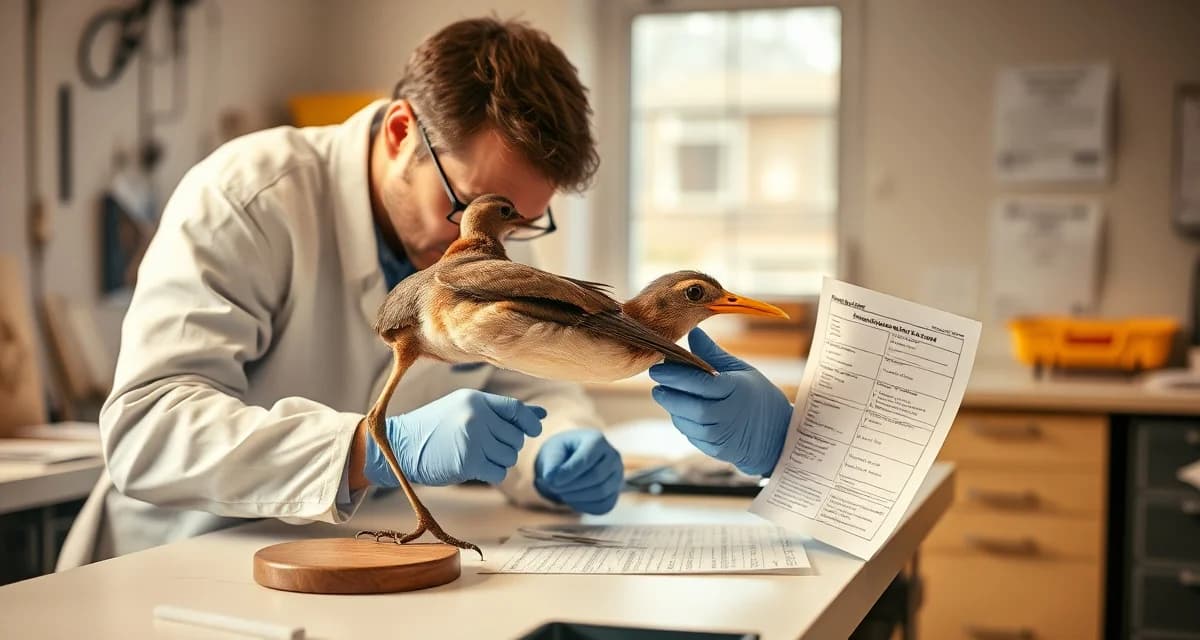
Bird Taxidermy Intake Best Practices: 7 Rules for Compliance and Quality
Federal permit verification at bird intake is the most commonly skipped step in taxidermy. It's skipped because it feels like a formality, because the customer is friendly and clearly hunted legally, because you're busy. But it's not optional. It's a federal requirement under the Migratory Bird Treaty Act, and skipping it creates compliance risk every time.
Feather condition documentation at intake protects against post-production damage claims. Here are the seven rules for bird intake done right.
TL;DR
- A hunter who expects their duck mount in 3 months and gets it in 7 is less happy than a hunter who was told 6 to 8 months and got it in 7.
- A bird specialist might complete a duck mount in 10 to 12 weeks.
- A generalist with deer and elk backlog might be 6 to 8 months.
- Turkey full-body mounts in particular, with 12 to 18 hours of production labor, represent significant investment before the customer sees the finished piece.
- A 50 percent deposit at intake protects your investment.
- Broken primary or secondary feathers affect the wing appearance in full-body mounts and can't be repaired to an invisible level.
Rule 1: Verify the Federal Permit Before Accepting the Bird
This is not Rule 5. It's Rule 1. Before the bird enters your shop as a job, you verify the hunter's federal permit documentation.
For waterfowl: Federal Duck Stamp from the year of harvest. State hunting license. Any applicable state waterfowl stamps.
For doves, snipe, woodcock, and other migratory species: appropriate state license confirming legal harvest season.
The verification happens at intake, documented in the intake record. The permit number goes in the record. Not the customer's promise that they have a valid license somewhere. The actual permit number, documented.
Your intake system should make this a required field. If the system won't close without the permit number, the step can't be skipped on a busy morning.
Rule 2: Document Band Information for Banded Birds
If the bird has a leg band, that band number is federal documentation. It goes in the intake record.
Federal regulations require band information to be reported to USGS and documented. A banded duck in your shop without band documentation in your records is a compliance gap.
Ask at intake: "Does this bird have a leg band?" If yes, record the band number. If the band was already reported to USGS, note that the report was made and the band number.
Rule 3: Photograph Feather Condition Completely
Feather condition documentation at intake protects against post-production damage claims. This is your most important quality protection step.
Birds arrive with various feather conditions:
- Broken primaries from impact or transport
- Missing feathers from rough handling
- Feathers matted from improper bagging
- Perfect condition throughout
Photograph all of it. A bird with a broken primary at intake that's documented can't become a dispute about broken primaries at pickup. A bird in perfect condition at intake that develops a broken feather during production is a production issue you own. But only if your intake photos show perfect condition.
Standard feather documentation photos:
- Both sides of the body
- Wing spread (folded and/or spread depending on mount type)
- Head and neck close-up
- Tail fan or fan display (for turkey)
- Any specific damaged areas with close-up documentation
Rule 4: Confirm the Mount Type and Display Style in Writing
Bird taxidermy offers more display variety than most other species:
- Full-body mount (standing, flying, landing)
- Fan mount (tail fan display)
- Tail and beard display
- Wing spread display
- Pair or group mount
Confirm which the customer wants. Confirm the pose for full-body work. Have them indicate it on the intake form.
For turkey specifically: full-body turkey mounts are the most commonly misspecified bird mount. "Just mounted" can mean fan mount to one customer and full-body to another. Be explicit.
Rule 5: Handle the Bird Correctly at Intake
The moment you take possession, how you handle the bird affects the mount.
- Don't fold or compress feathers to fit in a box
- Don't store with weight pressing on the bird
- Keep frozen birds frozen until needed for production
- Document the bird's storage orientation in your intake notes
Birds stored improperly between intake and production can develop feather set (feathers that "remember" a compressed position) that affects the mount quality. Correct intake storage prevents this.
Rule 6: Set Realistic Timeline Expectations for Bird Work
Bird timelines vary more than deer timelines because they depend heavily on whether you're a bird specialist or a generalist. A bird specialist might complete a duck mount in 10 to 12 weeks. A generalist with deer and elk backlog might be 6 to 8 months.
Be honest with the customer about where bird work sits in your production queue. A hunter who expects their duck mount in 3 months and gets it in 7 is less happy than a hunter who was told 6 to 8 months and got it in 7.
For turkey full-body mounts, be especially clear about timeline. These are the most labor-intensive bird mounts and should be assigned realistic production time in your schedule before the customer expects a spring completion.
Rule 7: Collect a Meaningful Deposit at Bird Intake
Full-body bird mounts are expensive to produce. Turkey full-body mounts in particular, with 12 to 18 hours of production labor, represent significant investment before the customer sees the finished piece.
A 50 percent deposit at intake protects your investment. Without it, you risk producing a $600 to $900 full-body turkey and having the customer not pick it up because they "changed their mind."
The deposit makes the customer's commitment real. It also gives you confidence to order quality materials without worrying about the job being abandoned.
Frequently Asked Questions
What is the first thing I should do when accepting a bird at intake?
Verify the hunter's federal permit documentation. For waterfowl, that means seeing and recording the Federal Duck Stamp from the year of harvest and the hunting license number. For other migratory species, the state hunting license. This step must happen before the bird enters your system as an active job, it's a federal requirement, not a courtesy step.
How do I verify a federal salvage permit at bird intake?
Ask the customer to provide their hunting license and, for waterfowl, their Federal Duck Stamp. Record the license number and Duck Stamp year in your intake record. This documentation goes in the record as a required field that cannot be skipped. If a customer can't provide documentation of legal harvest, you cannot legally accept the bird under the Migratory Bird Treaty Act.
What feather condition details affect the mount outcome?
Broken primary or secondary feathers affect the wing appearance in full-body mounts and can't be repaired to an invisible level. Missing feathers, particularly around the head or neck, affect the finished appearance. Feathers that were compressed or matted during transport may not fully relax back to natural position. All of these conditions should be documented at intake so the customer understands what they're starting with, and so you have photographic protection if post-production condition questions arise.
How does this apply to solo taxidermy shops?
The principles in this guide apply to solo shops just as they do to larger operations, though the scale differs. A single-person shop may have lower absolute volume but faces the same documentation, compliance, and customer communication requirements. The practical advice here scales down to any shop size.
What is the most common mistake taxidermists make with bird taxidermy intake best practices?
The most common mistake is treating bird taxidermy intake best practices as an afterthought rather than building it into the standard workflow from the start. Shops that encounter problems in this area typically did not establish clear processes before season, which means every situation becomes a one-off decision rather than a standard response.
Related Articles
- Fish Taxidermy Intake Best Practices: 6 Rules for Accurate Results
- Bird Taxidermy Specialist: How Compliance Tracking Saved a Shop
- Bird Taxidermy Intake Checklist: Turkey, Duck, and Upland Bird Drop-Off
- How to Photograph Bird Specimens for AI Taxidermy Intake
Try These Free Tools
Put these insights into practice with our free calculators and planners:
Sources
- National Taxidermists Association (NTA)
- US Fish & Wildlife Service
- Ducks Unlimited
- Small Business Administration (SBA)
Get Started with MountChief
Disorganized intake and forgotten follow-ups are the fastest way to lose repeat customers. MountChief structures every step of your taxidermy workflow so nothing gets missed.