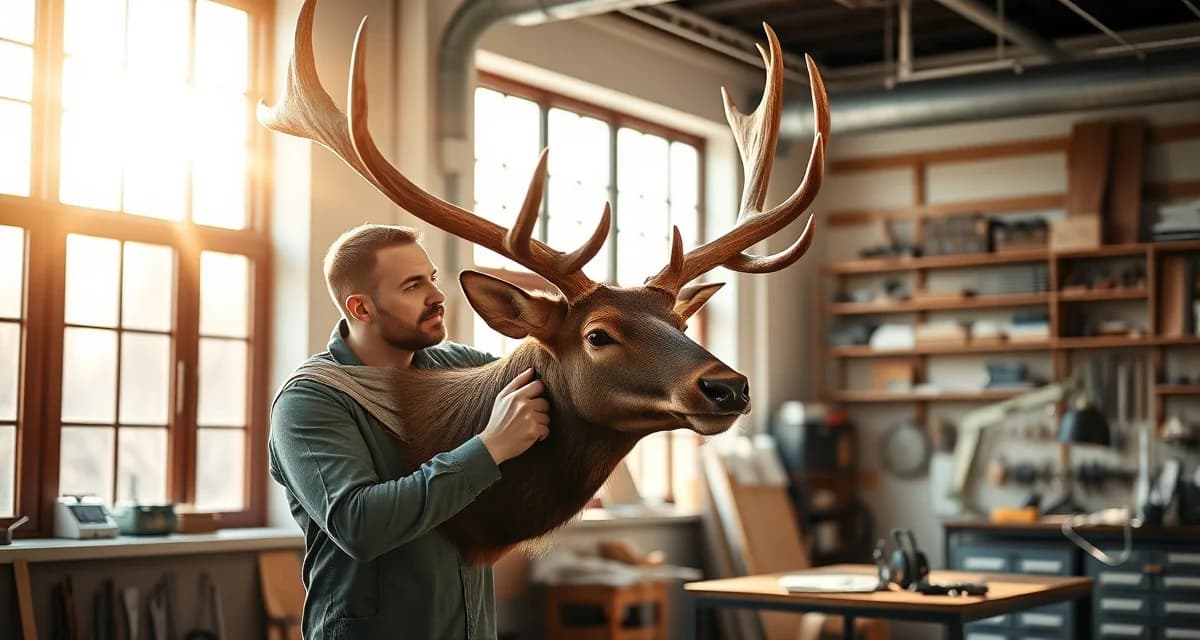
Elk Season Preparation for Colorado Taxidermy Shops
Colorado is one of the premier elk hunting destinations in North America. The license draw system attracts hunters from all 50 states. Many of whom are hunting the opportunity of a lifetime and want their trophy mounted by someone they can trust. For Colorado taxidermists, that means high-value jobs, complex out-of-state customer relationships, and specific CPW documentation requirements that must be met at intake.
Colorado elk season runs from August archery through the November rifle seasons, creating a four-month intake window with multiple peak periods.
TL;DR
- Colorado elk cape tannery timelines run 8-12 weeks, longer than deer, because elk hides are thicker and require more processing time.
- Add shipping time on each end and you're looking at 12-16 weeks from ship to return for out-of-state tanneries.
- communication relationship over the next 12-18 months matters.
- 8-12 weeks is a long time if a customer doesn't know to expect it.
- license draw system attracts hunters from all 50 states.
- Colorado elk season runs from August archery through the November rifle seasons, creating a four-month intake window with multiple peak periods.
Colorado Elk Season Calendar
Archery season: August 24 through September 29
First rifle season: Mid-October (4-5 days)
Second rifle season: Late October
Third rifle season: Early November
Fourth rifle season: Mid-November
Muzzleloader season: September-October (varies by unit)
Each rifle season generates its own intake surge. Front Range shops often see hunters within hours of the season end, particularly from units in the eastern plains and foothills. High Country shops adjacent to premier units can see walk-in drops from hunters who don't want to transport capes across the state.
CPW Documentation Requirements
Colorado Parks and Wildlife requires taxidermists to be licensed and to maintain intake records for all wildlife received. For elk specifically, records must include the customer's name, address, hunting license number, the license type (resident or non-resident), and the CPW license number for the specific hunt unit.
Colorado elk license draws attract hunters from all 50 states, so a large portion of your intake records will involve non-resident hunters. Collecting complete non-resident documentation at intake (including home state address) is important for both CPW compliance and for your customer communication workflow.
CPW has inspection authority for all licensed taxidermy shops. Your records need to be current and organized. See the Colorado taxidermy shop management guide for current CPW licensing and record-keeping requirements.
Elk Cape Tannery Coordination
Colorado elk cape tannery timelines run 8-12 weeks, longer than deer, because elk hides are thicker and require more processing time. Add shipping time on each end and you're looking at 12-16 weeks from ship to return for out-of-state tanneries.
Contact your tanneries before August to confirm capacity for the season. Tanneries that handle significant elk volume fill up, if you wait until October to ask about capacity, you may be looking at extended waits.
Ship your first elk capes within two to three weeks of intake. Elk capes left too long before salting and shipping degrade. The sooner they're at the tannery, the better.
Managing Out-of-State Elk Hunter Communication
The vast majority of hunters who draw coveted Colorado elk tags are from out of state. They hunted hard to draw that tag, they've planned this trip for years, and they're emotionally invested in that mount. The communication relationship over the next 12-18 months matters.
Give every out-of-state hunter the elk season taxidermy guide and your portal link at intake. Collect their home address, preferred email, and phone number. Set explicit expectations about tannery timelines. 8-12 weeks is a long time if a customer doesn't know to expect it.
When the cape ships to the tannery, send a notification. When it comes back, send another. These two proactive updates eliminate the bulk of "where's my elk?" calls that otherwise come in starting around month three.
Related Articles
- Elk Season Preparation for Wyoming Taxidermy Shops
- Bear Season Preparation for Maine Taxidermy Shops
FAQ
How do Colorado taxidermists prepare for elk season?
Start preparation by August 1 for the August 24 archery opener. Confirm tannery capacity before season opens, configure your intake system with elk-specific documentation fields, set up customer portal for out-of-state communication, and stock supplies for large capes (elk capes require different prep materials than deer). Be fully operational before the archery opener, the August start leaves no preparation time once season begins.
How do CO shops manage out-of-state elk hunter customer portals?
Send the portal link in the intake confirmation message before the hunter leaves Colorado. Include a brief explanation of what they'll see in the portal: current production stage, tannery status with return dates, and estimated completion. Hunters who set up the portal before they drive home are far less likely to call you every six weeks asking for updates.
What CPW documentation must be ready before Colorado elk season?
CPW requires your taxidermist license to be current, your record-keeping system to capture customer name, address, hunting license number, and hunt unit license information for each elk received. Non-resident documentation fields need to be in your intake form. Review CPW's current taxidermist regulations before August and verify your license renewal date.
How does this apply to solo taxidermy shops?
The principles in this guide apply to solo shops just as they do to larger operations, though the scale differs. A single-person shop may have lower absolute volume but faces the same documentation, compliance, and customer communication requirements. The practical advice here scales down to any shop size.
What is the most common mistake taxidermists make with elk season prep colorado?
The most common mistake is treating elk season prep colorado as an afterthought rather than building it into the standard workflow from the start. Shops that encounter problems in this area typically did not establish clear processes before season, which means every situation becomes a one-off decision rather than a standard response.
Try These Free Tools
Put these insights into practice with our free calculators and planners:
Sources
- National Taxidermists Association (NTA)
- US Fish & Wildlife Service
- Rocky Mountain Elk Foundation
- Breakthrough Magazine
- State wildlife agencies
Get Started with MountChief
Elk hunters invest significantly in their trophies and expect professional handling from intake through finished mount. MountChief's AI intake, tannery tracking, and customer portal give every elk customer the visibility and communication they expect during a 10-16 month process. Try MountChief before elk season opens.