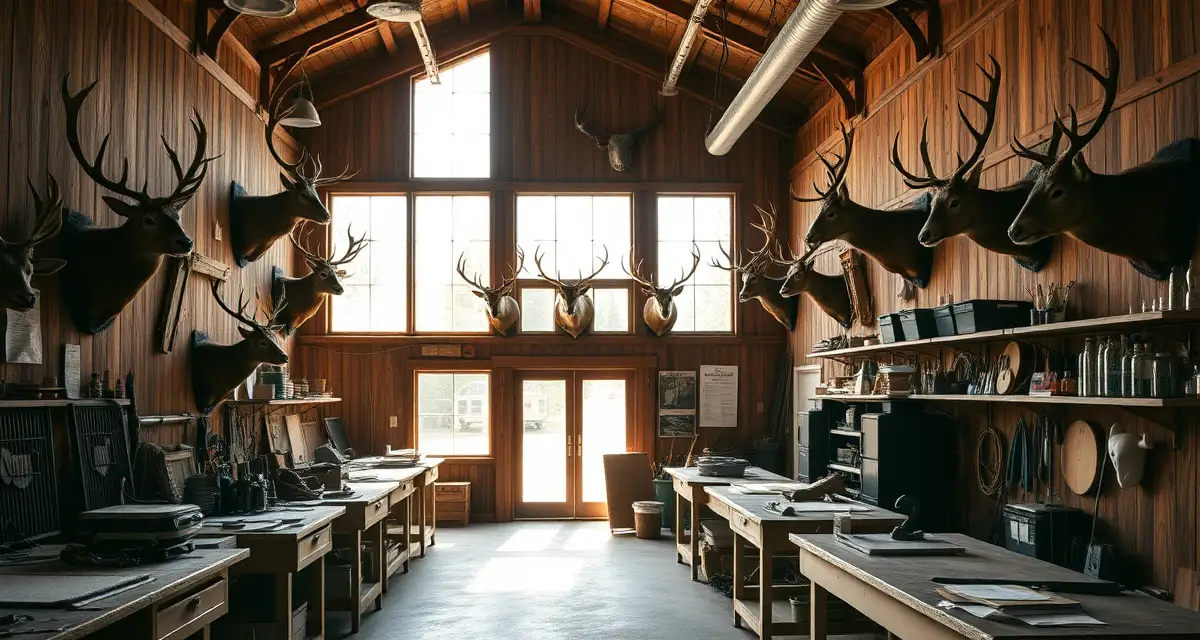
Elk Season Preparation for Montana Taxidermy Shops
Montana is one of the last places in North America where elk hunting retains a genuinely wild character. The combination of vast public land access, Montana's block management program, and generally excellent elk populations draws hunters from across the continent. Montana taxidermists sit at the end of that pipeline. And the volume, the value, and the logistics complexity of Montana elk work is unlike most other states.
Montana elk cape shipping to out-of-state locations requires FWP documentation. The block management program brings unpredictable non-resident hunter volume. And the geography of Montana means hunters are often hours away from their taxidermist of choice.
TL;DR
- That's a conversation to have at drop-off, not 18 months later.
- Non-resident Montana elk hunters drive home after their hunt and won't be back for the finished mount for 12-18 months.
- Montana elk mount timelines of 14-18 months are common given tannery turnarounds.
- Some Montana hunters want their capes shipped to an out-of-state taxidermist, their home state taxidermist who's done their deer for 20 years.
- Tannery timelines for elk capes run 8-12 weeks.
- Intake records must include the customer's name and address, hunting license number, species, and date received.
Montana Elk Season Calendar
Archery season: September 6 through October 17 (general)
General rifle season: October 24 through November 24
Special early archery seasons: Some districts open in September
Late special elk seasons: Some districts extend through December
Montana's general rifle season generates the highest intake volume. Shops in Missoula, Great Falls, Billings, Bozeman, and Helena see surges from hunters throughout western and central Montana during the November general season.
Montana Block Management and Non-Resident Volume
Montana's block management program opens private land to public hunting access, creating hunting opportunity on ground that would otherwise be inaccessible. This program brings non-resident hunters onto private ranches across the state, often in counties where they wouldn't otherwise hunt.
For taxidermists, block management creates volume that's harder to predict than draw-limited season volume. Non-resident hunters accessing block management land may use taxidermists near their hunting area rather than shops near their home state. Capture contact information thoroughly at intake. Including home state mailing address and shipping preferences for the finished mount.
FWP Licensing and Documentation
Montana Fish, Wildlife and Parks requires active taxidermist licensing. Intake records must include the customer's name and address, hunting license number, species, and date received.
For elk specifically, Montana FWP documentation requirements apply to any elk cape shipping out of state, whether shipping to an out-of-state tannery or returning a finished mount to an out-of-state customer. Ensure your shipping documentation includes your FWP license number, the customer's hunting license number, and the origin information for each cape.
Review Montana taxidermy shop management for current FWP requirements, as regulations can be updated between seasons.
Elk Cape Shipping Logistics
Montana's geography creates shipping complexity that shops in smaller states don't face. Hunters driving from western Montana to hunt in eastern districts, or non-residents flying in to meet outfitters, often end up with elk capes far from where they planned to take them.
Some Montana hunters want their capes shipped to an out-of-state taxidermist, their home state taxidermist who's done their deer for 20 years. In these cases, your job is proper cape preservation and documentation for the shipment, not the finished mount. Make sure you're capturing whether you're doing the full mount or just holding/shipping the cape at intake.
For hunters who want you to do the mount, get their complete shipping address for the finished piece and discuss shipping logistics upfront. A bull elk shoulder mount requires freight shipping. That's a conversation to have at drop-off, not 18 months later.
Tannery Coordination for Montana Shops
Montana shops typically work with Mountain West tanneries or ship east to Midwest tanneries with capacity for elk volume. Tannery timelines for elk capes run 8-12 weeks. Contact your tanneries before the September archery opener to confirm capacity.
The elk season taxidermy guide covers tannery coordination workflow and shipment documentation templates for Montana's FWP requirements.
Out-of-State Customer Portal Setup
Non-resident Montana elk hunters drive home after their hunt and won't be back for the finished mount for 12-18 months. Customer portal access is how you maintain that relationship without weekly phone calls.
Send the portal link in your intake confirmation. Include your shop's phone and email for questions the portal doesn't answer. Set explicit timeline expectations. Montana elk mount timelines of 14-18 months are common given tannery turnarounds. Customers who know the timeline upfront and can track progress online are patient customers.
Related Articles
- Elk Season Preparation for Wyoming Taxidermy Shops
- Bear Season Preparation for Maine Taxidermy Shops
FAQ
How do Montana taxidermists prepare for elk season?
Begin preparation in August for the September archery opener. Confirm tannery capacity and shipping documentation requirements for out-of-state tannery shipments, verify FWP licensing, update intake forms to capture non-resident hunter information and shipping preferences, and activate customer portal for the significant non-resident customer base. Be operational before September 6, there's no buffer period once archery season starts.
How do MT shops handle elk cape shipping requests from out-of-state hunters?
At intake, determine immediately whether you're doing the full mount or if the hunter wants the cape shipped to another taxidermist. If shipping, document the destination taxidermist's information, confirm FWP shipping documentation requirements, preserve the cape properly (salt and dry before shipping), and communicate clearly about what the hunter will receive from your shop versus from their taxidermist.
What FWP documentation must be ready before Montana elk season?
Montana taxidermists must hold a current FWP Taxidermist License. Records must include customer name, address, hunting license number, species, and date received. For out-of-state cape shipments, FWP documentation requirements apply, confirm current requirements with FWP before your first shipment of the season. License renewal dates and record-keeping requirements are on the FWP website.
How does this apply to solo taxidermy shops?
The principles in this guide apply to solo shops just as they do to larger operations, though the scale differs. A single-person shop may have lower absolute volume but faces the same documentation, compliance, and customer communication requirements. The practical advice here scales down to any shop size.
What is the most common mistake taxidermists make with elk season prep montana?
The most common mistake is treating elk season prep montana as an afterthought rather than building it into the standard workflow from the start. Shops that encounter problems in this area typically did not establish clear processes before season, which means every situation becomes a one-off decision rather than a standard response.
Try These Free Tools
Put these insights into practice with our free calculators and planners:
Sources
- National Taxidermists Association (NTA)
- US Fish & Wildlife Service
- Rocky Mountain Elk Foundation
- Breakthrough Magazine
- State wildlife agencies
Get Started with MountChief
Elk hunters invest significantly in their trophies and expect professional handling from intake through finished mount. MountChief's AI intake, tannery tracking, and customer portal give every elk customer the visibility and communication they expect during a 10-16 month process. Try MountChief before elk season opens.