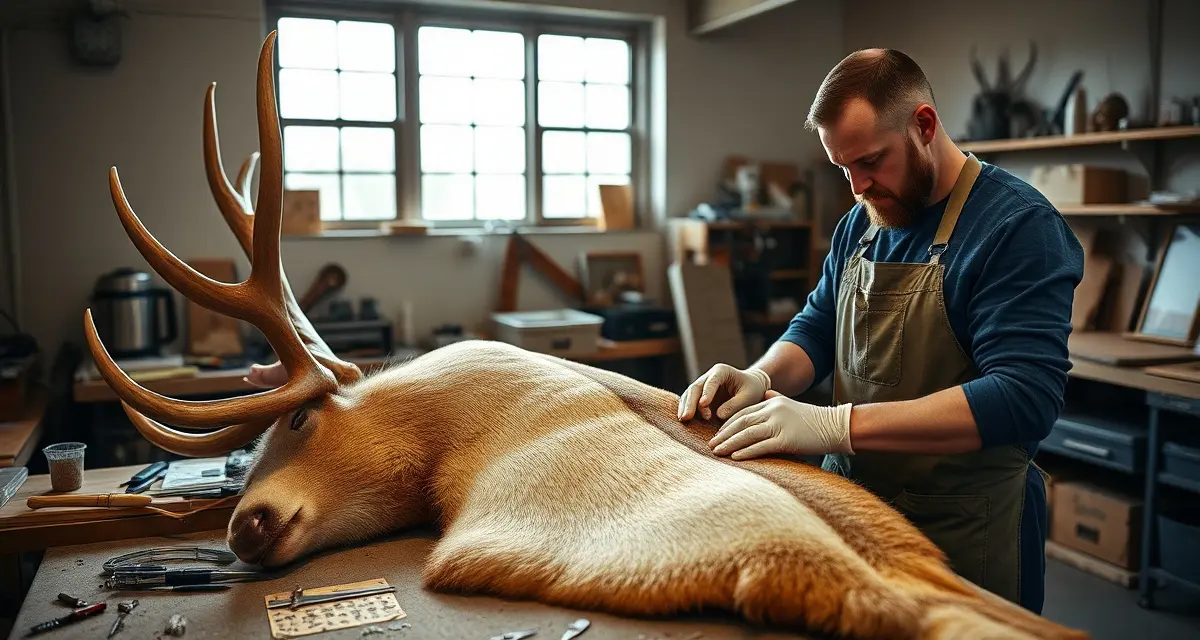
Elk Season Taxidermy Management Guide: Western Shop Operations
Elk season is the highest-stakes intake window of the year for western shops. A single elk cape is worth $600 to $1,200 or more in mount value. The tannery timeline runs 60 days or longer even at good commercial tanneries. And a meaningful portion of your elk customers are out-of-state hunters who drove or flew to the West, shot a bull, and are heading home while their cape goes into your hands.
Elk mounts average $800 to $1,200 each, making every job two to three times the liability of a typical deer mount. Managing that liability requires systems that a paper-based shop simply can't provide reliably.
This guide covers everything from pre-season preparation through the full production cycle: intake specifics for elk, tannery coordination, out-of-state customer management, and the tracking systems that keep high-value jobs from falling through the cracks.
TL;DR
- Western shops taking 60 or more elk capes per season need that system.
- If your tannery quotes 12 weeks in August and is running 20 weeks by December, you need to communicate that to customers proactively, before they call you asking about it.
- A single elk cape is worth $600 to $1,200 or more in mount value.
- The total elk intake window is roughly 10 weeks in most western states.
- If your tannery is running 16 weeks on elk capes in August, quote customers 18 to 20 weeks at intake in October.
- Adding buffer beats telling someone their cape will be back in 12 weeks and then having it take 20.
Understanding the Elk Season Calendar
Elk seasons vary significantly by state and license type, but most western elk hunting falls between late August (archery opener) and mid-November (end of late rifle seasons). Unlike deer season in the Midwest or East, elk season in the West often runs multiple simultaneous seasons: archery, muzzleloader, and rifle, with different zones and unit regulations for each.
For western shops, the intake pattern looks like this:
- September (archery/early rifle): First wave of elk capes, often from successful bowhunters with quality bulls. Some of the best capes of the season come in during September.
- October (rifle opener through second seasons): The main rifle wave in most states. High volume, variable quality.
- November (late seasons, clean-up): Final wave. Hunters bringing in capes that have been frozen since October. Some damage from improper field care.
The total elk intake window is roughly 10 weeks in most western states. Unlike deer season, you don't get a concentrated 2-week surge; elk intake is spread across the fall but still demands consistent systems from August through December.
Pre-Season Elk Preparation
Contact Your Tannery in August
Don't wait until October to check with your tannery on elk cape turnaround. Elk hides are larger than deer hides and require separate processing from deer capes at most commercial tanneries. Some tanneries batch elk separately and can have different turnaround times.
In August, contact your tannery and get current quotes for:
- Standard elk shoulder cape (wet-tanned, ready-to-mount)
- Full-body elk hide if you do full-body elk mounts
- Current estimated turnaround time for elk incoming in September-October
The answer you get here is the number you quote customers at intake. If your tannery is running 16 weeks on elk capes in August, quote customers 18 to 20 weeks at intake in October. Adding buffer beats telling someone their cape will be back in 12 weeks and then having it take 20.
Pre-Order Elk Forms
Elk forms sell out at suppliers during peak season. Order your projected form needs in August or early September before supply tightens. What to order:
- Shoulder mount forms in your most common sizes (most western elk average 22 to 26 inch neck circumference for typical 6x6 bulls)
- Any pedestal or wall panel hardware you use for elk
- Glass eyes for elk (typically #14 to #18 depending on bull size)
If you're taking out-of-state orders that include European mounts, order any elk skull hardware you need as well. Europeans on elk have grown in popularity and are a faster-turnaround option for hunters who don't want to wait for a full shoulder mount.
Set Up Your Out-of-State Customer Workflow
If you're in a state like Colorado, Montana, Wyoming, Idaho, or Utah, a significant percentage of your elk customers will be from out of state. These customers need a different communication approach than local hunters who can stop by the shop.
Before season, set up:
- A clear intake confirmation system that gives out-of-state hunters their job number, portal link, and contact information on the day they drop off
- Your tannery notification template so customers who left the state know when their cape shipped
- A policy for shipping finished mounts (costs, carriers, packaging requirements) documented and ready to share at intake
- A clear answer for "how will I pick it up?" since many out-of-state customers plan to return specifically to retrieve their mount
Elk Intake: What Makes It Different
The Cape Is Everything
An elk cape is the most valuable physical component of any North American big game mount. The cost of a replacement cape from a commercial supplier runs $600 to $1,200 or more depending on bull size and velvet vs. hard horn timing. A damaged or lost elk cape is a serious financial event for any shop.
This changes how you handle intake. For elk, be more thorough than for deer:
Check field care quality immediately. An elk cape that's been improperly handled in the field can have hide slip, bacteria damage, or salt burns before it ever reaches your shop. Evaluate the cape at intake, not later. If there's field care damage, document it thoroughly with photos before you touch the cape. The hunter needs to know and you need a record.
Weigh and measure at intake. The form size for an elk shoulder mount is driven by neck circumference, cape length, and the distance from nose tip to back of skull. Take these measurements at intake and record them. Ordering the wrong form size because you estimated from memory is an expensive mistake.
Photograph before you freeze. For every elk cape, take multiple photos at intake: full cape laid out, close-ups of any damage, the face and brow area, and the measurement tape. These photos go in the job record and serve as documentation of condition at acceptance.
Harvest Documentation for Elk
Elk documentation requirements are stricter than deer in most western states. At elk intake, collect:
- Hunter's name, address, and phone
- State hunting license number
- Elk license or tag number (often separate from the general hunting license)
- License type (resident, non-resident, OTC, limited entry/draw)
- Game management unit or harvest zone (required in most western states)
- Harvest date and location (state, county, unit)
- Sex (bull, cow)
- Out-of-state or in-state destination for finished mount
The game management unit field is the one that trips up shops. A hunter might tell you they shot their elk "in western Colorado" but what CPW (or WGFD or FWP) wants to see in your records is the specific GMU number. Ask for it and write it down.
For state-specific compliance requirements by region, the wildlife compliance software for taxidermy covers the field requirements for each western state.
Handling the Cape Immediately After Intake
An elk cape needs to go into the freezer or get salted immediately after intake. There's no room for "I'll deal with it later" with elk specimens, especially if the hunter brought it in already thawed.
For a fresh or recently thawed cape:
- Salt immediately and heavily if it won't go straight to the tannery within a day or two
- Freeze if it's going to wait for your next tannery shipment
- Never leave an elk cape unfrozen and unsalted in a warm shop for more than a few hours
The larger surface area of an elk hide means bacterial action spreads faster than on a deer cape. Speed matters.
Tannery Coordination for Elk Season
Batching Elk Shipments
Most shops don't send capes to the tannery one at a time. They accumulate for a week or two and ship a batch. For elk season, batch size matters.
A batch of 8 to 12 elk capes from a busy western shop represents $8,000 to $15,000 or more in mount value at tannery. That shipment deserves:
- Documented weights and descriptions for each cape in the shipment
- A packing list with your job numbers cross-referenced to each hide
- Confirmation from the tannery that the shipment was received (don't assume)
- A documented expected return date logged in your system for each hide in the batch
If a batch gets lost, damaged, or mixed up at the tannery, the documentation you have on file determines whether you can resolve it. Tannery shipments with no documentation turn into expensive, unresolvable disputes.
Tracking Individual Elk Capes Through the Tannery
Paper tracking of elk capes at a tannery is where shops lose money. A cape that "should be back by December" but hasn't returned in February, with no documentation of when it shipped, what lot it was in, or what the tannery's current status is, creates a cascading problem: the customer calls in February, you can't tell them anything specific, they get frustrated, and you get a reputation problem.
MountChief's tannery tracking module gives each elk cape its own status record from the day it ships: lot number, ship date, expected return, and the ability to log tannery communication. When a cape is overdue, you see it in the overdue report, not because you remembered to check. Western shops taking 60 or more elk capes per season need that system.
When Tanneries Run Long
Elk season tannery delays are common, especially at popular commercial tanneries that serve a large portion of the western market. If your tannery quotes 12 weeks in August and is running 20 weeks by December, you need to communicate that to customers proactively, before they call you asking about it.
The approach that works: when you know a return date is slipping, send the customer an update with the revised timeline before they ask. "Your cape shipped October 15. The tannery is currently running about 6 weeks longer than their original estimate due to high fall volume. Your current estimated return is late February instead of early January. I'll update you when it arrives." That's it. Most customers accept delays when they're informed proactively. They don't accept delays when they have to call to find out.
Managing Out-of-State Elk Customers
Out-of-state elk hunters are a significant business category for many western shops. They're often well-funded (elk hunts are expensive), motivated by a once-or-infrequent hunting experience, and have zero ability to check on their mount in person. That combination makes them either your best customers or your most frustrated ones, depending on how you manage communication.
The First 24 Hours Matter Most
When an out-of-state hunter drops off an elk cape, they're often leaving the state within hours. Get them a complete intake confirmation before they hit the road. The confirmation should include:
- Job number
- Customer portal link with their tracking code
- Your phone number and email
- The timeline you quoted them
- Your shipping policy for when the mount is complete
This sets the tone for the whole relationship. A customer who gets a professional intake confirmation right away trusts the process. A customer who drove home with just a verbal promise and a handshake receipt starts wondering what they left their $1,000 cape with.
Customer Portal for Elk Hunters
For out-of-state customers especially, a customer tracking portal is almost a requirement. These customers can't drive by your shop to check in. They're relying entirely on your communication. A portal that shows them real-time status, tannery ship dates, return dates, and production milestones eliminates dozens of calls that you'd otherwise have to answer individually.
When an elk cape ships to the tannery, they see it. When it comes back, they see it. When form work starts, they see it. The mount is ready to ship, they get notified. That automated flow is how you manage 50 out-of-state customers without living on the phone.
Shipping Policy and Planning
Many out-of-state elk customers either plan to return specifically to pick up the mount or want it shipped. Have a clear shipping policy before elk season starts:
- Packing and shipping service fee (building and materials cost money)
- Carriers you use and what they'll and won't ship (large finished mounts have dimensional weight and packaging requirements)
- Customer responsibilities for coordinating delivery address
- Insurance for shipped mounts (get a declared value from the customer at intake)
Trying to figure out shipping logistics for the first time when a finished elk mount is sitting on your bench in March is not the time.
Production Workflow for Elk Mounts
Once the cape returns from the tannery, elk shoulder mount production runs a similar sequence to deer but with more physical demands. Elk forms are heavier, requiring more physical effort to mount. The larger surface area means more attention to hide positioning and natural wrinkle control in the shoulder area.
A typical elk shoulder mount production flow:
- Cape return logged, quality checked, any tannery damage documented
- Form rehydrated and prepped with modeling compound for anatomy detail
- Cape fit dry-run over form before adhesive
- Cape glued and positioned, eyes set
- Ear liner installation (elk ears are large and the liner installation is more complex than deer)
- Sewn seam closure and lip tuck
- Drying time (elk mounts need longer drying time than deer due to size)
- Touch-up and finishing
- Final quality check and photography for portfolio
- Customer notification and delivery coordination
For tracking these production stages by job, the elk taxidermy tracking guide covers the job-tracking workflow in MountChief.
Frequently Asked Questions
How do I manage out-of-state elk hunters as customers?
Send them a complete intake confirmation before they leave your parking lot: job number, portal link, timeline quote, and your contact information. Use automated status updates triggered by tannery shipment, return, and production milestones so they're getting information without you manually calling. Have a clear, documented shipping policy ready if they won't be returning to pick up the mount. Out-of-state customers who feel informed and trusted become repeat customers and referral sources, even when timelines extend.
What is the best tannery for elk capes?
The best tannery for your shop is the one that produces consistent quality on elk-sized hides and communicates clearly about status and turnaround. KNOBLOCHS, Montana Fur and Hide, Bucks County Fur, and several other commercial tanneries are well-regarded for big game work including elk. The best approach is to ask other western taxidermists in your region who they use for elk and why. Regional proximity can matter for turnaround time, and a recommendation from a trusted peer tells you more than any advertisement.
How do I track an elk cape through a 6-month production timeline?
Every elk cape needs a digital record with a tannery shipment log, documented expected return date, and status updates at each production milestone. In MountChief, the tannery tracking module creates this log automatically: shipment date, batch number, expected return, and any tannery communication is attached to the individual job record. When a cape is overdue, the system surfaces it rather than requiring you to remember to check. For a 50-elk-cape season, manual tracking of individual statuses is genuinely not sustainable.
How does this apply to solo taxidermy shops?
The principles in this guide apply to solo shops just as they do to larger operations, though the scale differs. A single-person shop may have lower absolute volume but faces the same documentation, compliance, and customer communication requirements. The practical advice here scales down to any shop size.
What is the most common mistake taxidermists make with elk season taxidermy guide?
The most common mistake is treating elk season taxidermy guide as an afterthought rather than building it into the standard workflow from the start. Shops that encounter problems in this area typically did not establish clear processes before season, which means every situation becomes a one-off decision rather than a standard response.
Related Articles
Try These Free Tools
Put these insights into practice with our free calculators and planners:
Sources
- National Taxidermists Association (NTA)
- US Fish & Wildlife Service
- Rocky Mountain Elk Foundation
- Breakthrough Magazine
- State wildlife agencies
Get Started with MountChief
Elk hunters invest significantly in their trophies and expect professional handling from intake through finished mount. MountChief's AI intake, tannery tracking, and customer portal give every elk customer the visibility and communication they expect during a 10-16 month process. Try MountChief before elk season opens.