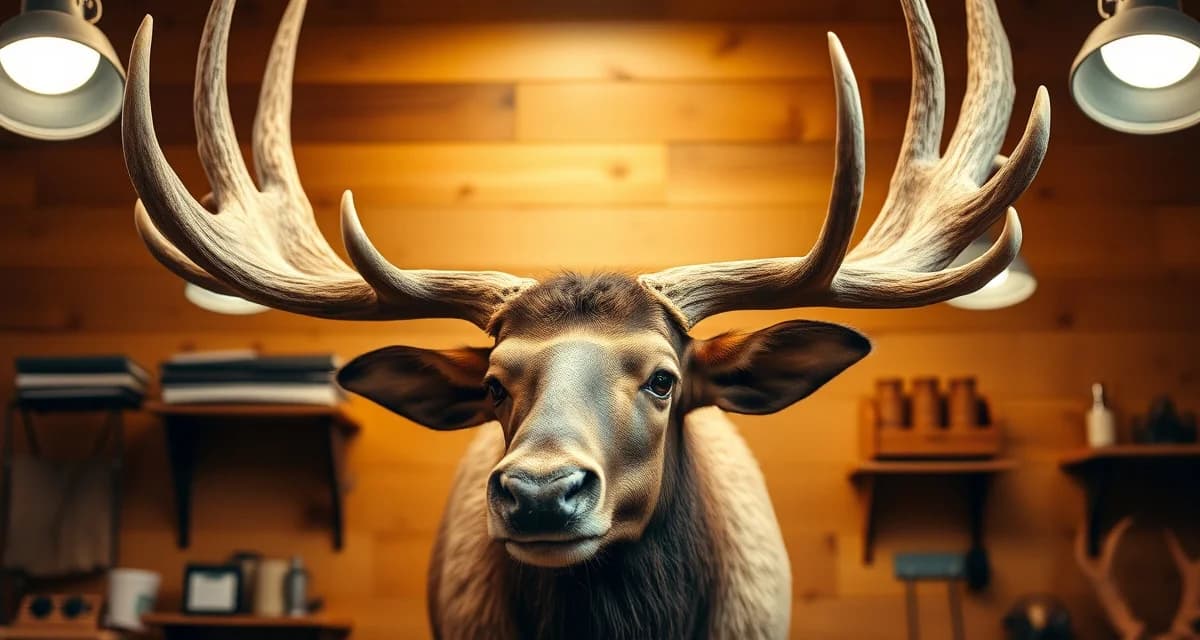
Elk Season Preparation for Wyoming Taxidermy Shops
Wyoming elk tags are among the most coveted lottery permits in North America. Hunters wait years (sometimes decades) to draw a prime Wyoming elk unit. When they finally get that tag and harvest their bull, the mount isn't just a taxidermy job. It's the physical record of a hunt they'll talk about for the rest of their life.
Wyoming taxidermists handle that responsibility. They also handle the practical reality of a significant international customer base, complex out-of-state shipping questions, and WGFD compliance requirements that must be at the ready before the August archery opener.
TL;DR
- Discuss this at intake, not 18 months later when the mount is complete and the hunter asks how it gets to them.
- Wyoming elk cape tannery timelines run 8-12 weeks like other Mountain West operations.
- Document all of this in the job record so there are no surprises 18 months later.
- Your records need to be complete and accessible.
- Wyoming elk preparation should begin in July for the September 1 archery opener.
- Operational readiness before September 1 is required.
Wyoming Elk Season Calendar
Archery season: Opens September 1 in most hunt areas
General season: October 1 through October 31 (varies by zone)
Special limited quota seasons: Vary by hunt area, some extending into November
Private land and wilderness area seasons: Can extend beyond general season dates
Wyoming's elk seasons are heavily unit-dependent. Hunters from across the country (and internationally) draw limited quota tags for specific units ranging from the premiere wilderness areas around Yellowstone and the Tetons to the more accessible walk-in units.
International Hunter Documentation
Wyoming shops handle significant international customer volume for trophy elk mounts. International hunters represent a unique documentation challenge: mailing address, passport number for the job file, and export documentation for mounts shipped internationally.
If a bull is destined for an international customer, you need to address the following at intake:
- Full international mailing address with country
- Whether the customer wants the mount shipped internationally or to a US address (family member, hunting camp contact)
- Any known CITES concerns (elk are not CITES-listed, but other species often harvested alongside could be)
- Export and import requirements for the destination country
International shipping for finished mounts requires proper documentation. Discuss this at intake, not 18 months later when the mount is complete and the hunter asks how it gets to them.
WGFD Requirements at Intake
Wyoming Game and Fish Department requires taxidermists to hold a valid WGFD Taxidermist License and maintain intake records including the customer's name, address, license number, and species. For limited quota species like elk, the hunt license number connects the animal to the specific permit.
Your Wyoming taxidermy shop management records should capture the hunt area number alongside the standard intake fields. This matters for WGFD inspections and for the hunter's own documentation of their hunt.
The WGFD conducts compliance checks, particularly in high-harvest areas. Your records need to be complete and accessible.
Tannery Planning for Wyoming Elk Volume
Wyoming is geographically large, with shops concentrated near population centers and major hunting corridors. Tannery access is a logistical consideration. Most Wyoming shops ship to tanneries in the Mountain West or Midwest.
Wyoming elk cape shipping to out-of-state tanneries requires proper documentation per WGFD rules. Confirm your tannery's shipping requirements and any state documentation needed for transport before your first shipment.
Coordinate capacity with your tanneries before the September opener. Wyoming elk cape tannery timelines run 8-12 weeks like other Mountain West operations. Early coordination means you're shipping on time; late coordination means your tannery queue extends into next year's season.
See the elk season taxidermy guide for tannery coordination timing and workflow templates.
Customer Communication Across Long Distances
Most Wyoming elk hunters are not local. They're from out of state, many drove or flew specifically to hunt, and they're going home after drop-off. The customer portal is essential for this customer base.
Send the portal link in the intake confirmation. Confirm their email before they leave. Walk them through what they'll see in the portal (tannery status, production milestones, estimated completion) so they know what to expect and where to look.
Related Articles
FAQ
How do Wyoming taxidermists prepare for elk season?
Wyoming elk preparation should begin in July for the September 1 archery opener. Confirm tannery capacity, verify WGFD licensing, configure intake forms with Wyoming-specific documentation fields including hunt area numbers, and set up customer portal for the significant out-of-state and international customer volume. Operational readiness before September 1 is required. There's no warm-up period before Wyoming elk season starts.
How do WY shops manage international elk hunter documentation?
Collect full international contact information at intake including passport number, international mailing address, and the destination country. Discuss shipping arrangements for the finished mount at intake, not at completion. Confirm whether the customer wants the mount shipped directly internationally or to a domestic contact. Document all of this in the job record so there are no surprises 18 months later.
What WGFD records are required before Wyoming elk season opens?
Wyoming taxidermists must hold a current WGFD Taxidermist License and maintain records of all wildlife received including customer name, address, hunting license number, and hunt area number for elk. Records must be available for WGFD inspection. Verify your license renewal date, update your intake form fields for WGFD compliance, and confirm that your record-keeping system can produce organized records quickly if an inspection occurs.
How does this apply to solo taxidermy shops?
The principles in this guide apply to solo shops just as they do to larger operations, though the scale differs. A single-person shop may have lower absolute volume but faces the same documentation, compliance, and customer communication requirements. The practical advice here scales down to any shop size.
What is the most common mistake taxidermists make with elk season prep wyoming?
The most common mistake is treating elk season prep wyoming as an afterthought rather than building it into the standard workflow from the start. Shops that encounter problems in this area typically did not establish clear processes before season, which means every situation becomes a one-off decision rather than a standard response.
Try These Free Tools
Put these insights into practice with our free calculators and planners:
Sources
- National Taxidermists Association (NTA)
- US Fish & Wildlife Service
- Rocky Mountain Elk Foundation
- Breakthrough Magazine
- State wildlife agencies
Get Started with MountChief
Elk hunters invest significantly in their trophies and expect professional handling from intake through finished mount. MountChief's AI intake, tannery tracking, and customer portal give every elk customer the visibility and communication they expect during a 10-16 month process. Try MountChief before elk season opens.