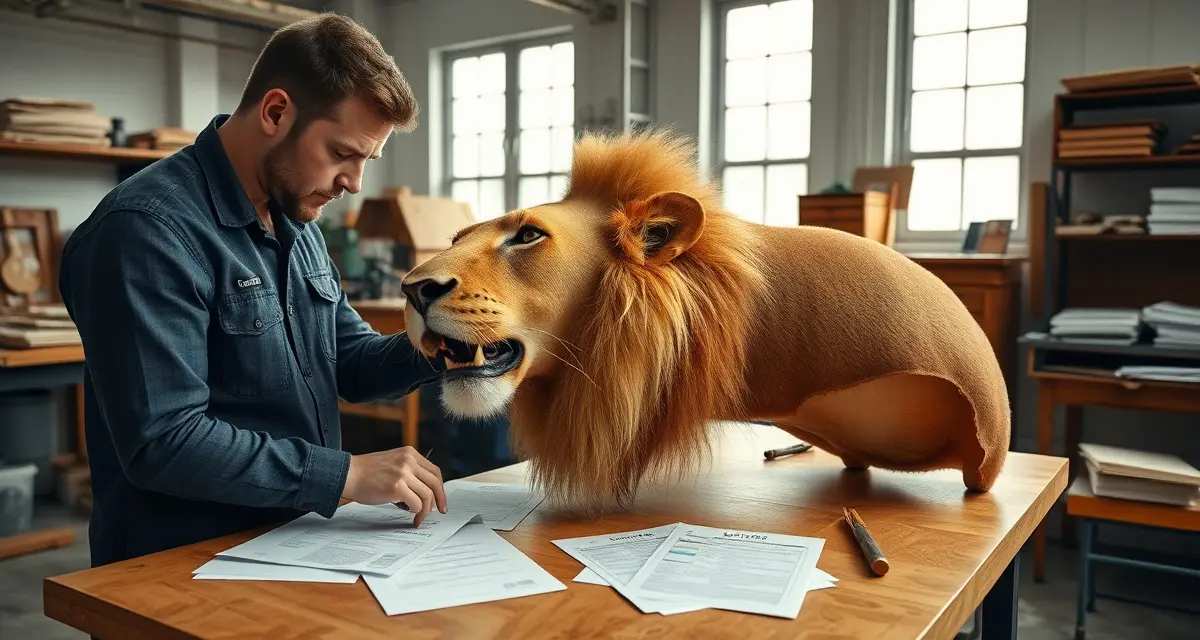
Exotic Species Taxidermy: CITES Compliance and Job Tracking
African trophy mounts represent some of the most valuable and complex work in any taxidermy shop. A single African lion mount or leopard mount can run $3,000 to $8,000. The documentation requirements start before the specimen reaches your shop, and failure to document CITES species correctly can result in federal forfeiture of the trophy.
That's not a threat you can recover from. A hunter who waited years and spent tens of thousands on an African safari, only to have their leopard confiscated because a taxidermist didn't have the right paperwork, that's a lawsuit, a reputation destroyed, and potentially a criminal referral.
TL;DR
- A single African lion mount or leopard mount can run $3,000 to $8,000 in taxidermist fees.
- Collect all permit numbers at intake: CITES export permit, USFWS import permit, and USFWS Form 3-177.
- African shoulder mounts like kudu and impala typically take 4-8 months; full-body mounts run 8-14 months.
- Exotic species intake records must be retained indefinitely for high-risk CITES Appendix I species.
- Every exotic species job should be flagged at intake for documentation review before any work begins.
What Happens Before an Exotic Trophy Reaches Your Shop
By the time an African trophy arrives at your door, it should have passed through multiple compliance checkpoints:
- Country of origin export permit, issued by the African country's wildlife authority under CITES
- USFWS import permit (for Appendix I species), hunter applied before the hunt
- Port of entry inspection, USFWS Law Enforcement inspection at a designated wildlife port of entry
- Form 3-177, USFWS Declaration for Importation of Fish and Wildlife, filed at entry
If any of these steps are missing, the import was illegal, and accepting the specimen makes you part of the chain.
Your responsibility: Verify that the customer can produce documentation before you accept the specimen. Ask to see the USFWS Form 3-177 and any associated CITES permits. If they can't produce them, don't accept the specimen.
Common African Species and Their CITES Status
Appendix I (most restricted, commercial trade prohibited):
- African elephant (certain populations)
- African lion (recent uplistings affecting some countries)
- Cheetah
- African leopard
Appendix II (regulated trade with permits):
- Hippopotamus
- African buffalo (Cape buffalo), varies by country
- Leopard (in some population/country combinations)
- Saltwater crocodile
- African elephant (certain populations, complex; verify current status)
Important: CITES listings change. Always verify current status through USFWS before accepting any exotic specimen. The list above is a general reference, not current legal guidance.
Required Documentation at Intake for Exotic Species
When a customer brings in an African trophy, collect and record:
- CITES export permit number from the country of origin
- CITES import permit number (Appendix I species)
- USFWS Form 3-177 copy, the customer should have this from port of entry
- Hunter's USFWS trophy import confirmation
- Species identification, document specifically, not just "African lion"
- Country of origin and hunting concession documentation if available
MountChief stores all permit numbers against the job record and generates a compliance summary that can be produced during an inspection.
Ranch Exotics vs. Wild-Caught Imports
Some shops handle exotic species from Texas hunting ranches, axis deer, blackbuck, aoudad, nilgai, sika deer, and others. These species, while exotic in origin, may not require CITES documentation if they're from captive-bred ranch populations in the US.
The distinction matters. Verify the source before making compliance assumptions. An axis deer from a Texas ranch is documented differently than an axis deer imported from India.
Related Articles
- Bear Taxidermy Job Tracking: Manage High-Risk High-Value Specimens
- Deer Taxidermy Job Tracking: Manage Whitetail Season Volume
- Elk Taxidermy Job Tracking: Manage High-Value Trophy Mounts
- Reptile Taxidermy Job Tracking: Snake, Alligator, and Lizard Mounts
FAQ
How do I document CITES species for taxidermy?
Collect all permit numbers at intake, CITES export permit from country of origin, USFWS import permit for Appendix I species, and the hunter's copy of USFWS Form 3-177. Record all permit numbers in the job record. Retain documentation for a minimum of 5 years. MountChief's exotic species intake prompts for all required fields and flags incomplete documentation before you accept the specimen.
What African species require CITES permits?
Most African mammals require some form of CITES documentation. Common hunting trophy species include African lion, leopard, cheetah (highly restricted), hippo, buffalo, and most crocodilians. The specific requirements depend on the species, the country of origin, and current CITES listings. USFWS maintains the current list and should be the authoritative source before accepting any specimen.
How long does it take to mount an African trophy?
African trophy mounts vary significantly by species and style. A standard African shoulder mount (kudu, impala, etc.) takes 4 to 8 months. Lion, leopard, and full-body mounts take 8 to 14 months. Shops doing significant African work typically have extended timelines due to the specialized skill required and often limited form availability for exotic species.
How does this apply to solo taxidermy shops?
The principles in this guide apply to solo shops just as they do to larger operations, though the scale differs. A single-person shop may have lower absolute volume but faces the same documentation, compliance, and customer communication requirements. The practical advice here scales down to any shop size.
What is the most common mistake taxidermists make with exotic species taxidermy tracking?
The most common mistake is treating exotic species taxidermy tracking as an afterthought rather than building it into the standard workflow from the start. Shops that encounter problems in this area typically did not establish clear processes before season, which means every situation becomes a one-off decision rather than a standard response.
Try These Free Tools
Put these insights into practice with our free calculators and planners:
Sources
- National Taxidermists Association (NTA)
- US Fish & Wildlife Service
- Small Business Administration (SBA)
Get Started with MountChief
Professional taxidermists need more than talent at the bench. They need organized intake, clear compliance records, and reliable customer communication. MountChief delivers all three.