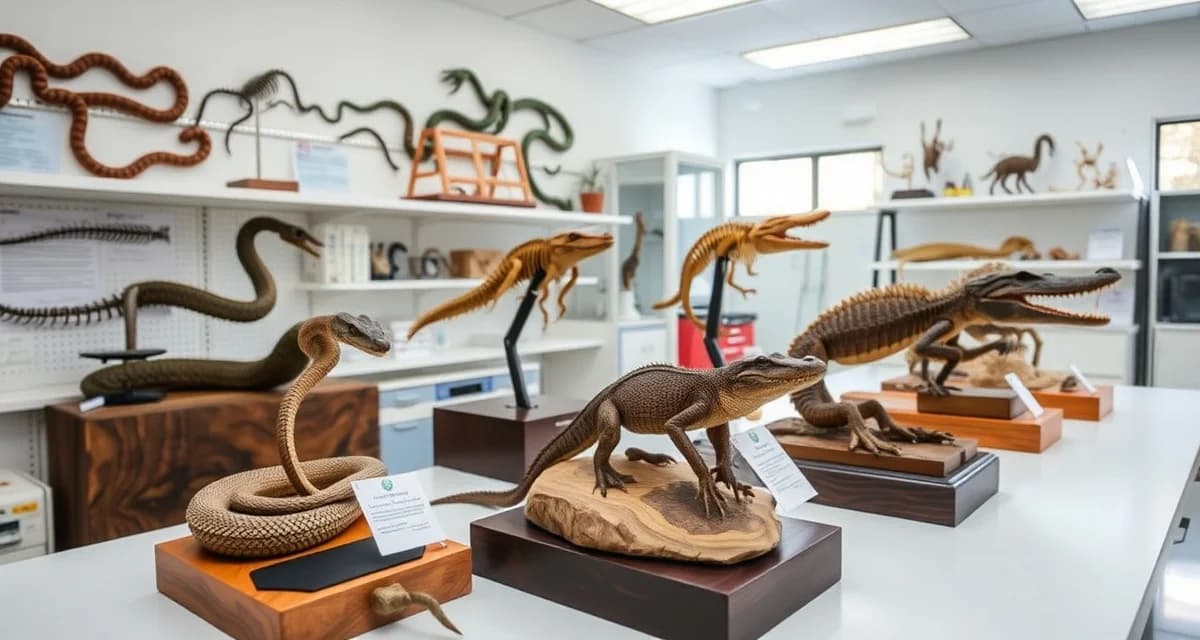
Reptile Taxidermy Job Tracking: Snake, Alligator, and Lizard Mounts
Reptile mount regulations are among the most variable and complex in all of taxidermy. What's legal in one state can be a violation in the next. Alligator mounts require CITES documentation for interstate transport regardless of which US state the alligator came from. Certain snake species are federally protected. Some lizard species can't be legally possessed, much less mounted.
The principle for reptile intake: verify before you accept. For every reptile species, determine the specific state and federal rules before the specimen crosses your threshold.
TL;DR
- Smaller snakes (under 4 feet) take 4 to 8 weeks for a full-body coiled mount.
- Alligator skull mounts take 6 to 12 weeks including maceration or beetle cleaning.
- Full alligator flat mounts take 3 to 6 months depending on size and detail level.
- Alligator mounts require CITES documentation for interstate transport regardless of which US state the alligator came from.
- Reptile mount regulations are among the most variable and complex in all of taxidermy.
- MountChief flags the CITES requirement when alligator is entered and the customer's address is in a different state than the shop.
Alligator: High Volume, High Compliance
American alligator (Alligator mississippiensis) is the most common reptile mount request in most full-service shops. States with alligator hunting seasons, Florida, Louisiana, Mississippi, Alabama, Georgia, South Carolina, Texas, generate regular alligator mount work.
What you need at intake:
- Valid state alligator permit (varies by state, some require CITES tags on the alligator during season)
- State hunting license
- Harvest documentation (date, location, permit number)
CITES considerations: American alligator is listed under CITES Appendix II. This means interstate transport of alligator products, including a finished mount, requires CITES documentation. If you're in Alabama and a Louisiana customer wants their finished mount shipped home, that's CITES Appendix II interstate transport. Document accordingly.
MountChief flags the CITES requirement when alligator is entered and the customer's address is in a different state than the shop.
Snakes: Federal and State Overlap
Snake regulations are genuinely complex. Some highlights:
Eastern indigo snake: Federally protected under the Endangered Species Act. Cannot be possessed for taxidermy under any normal circumstances. Don't accept it.
Timber rattlesnake and Eastern diamondback rattlesnake: State regulations vary widely. Some states protect them, others allow take with a license. Know your state's rules.
Non-native constrictors: Burmese pythons are legal to kill in Florida but their transport out of state may be restricted. Other large non-native constrictors have varying federal restrictions.
Import snakes and lizards: Any imported reptile species may carry CITES or Lacey Act documentation requirements. Verify before accepting.
Lizards: Gila Monster and Monitor Species
Gila monster: Federally and state-protected in most of its range. Do not accept without extraordinary documentation proving legal acquisition.
Monitor lizards: Most monitor species are either CITES listed or federally restricted. Nile monitors and other non-native species may have complex documentation histories. Any monitor brought in for mounting deserves close scrutiny of its documentation.
Turtle and Tortoise Mounts
Box turtles, slider turtles, and other native turtles are protected in most states. Tortoises (particularly desert tortoise) are frequently listed under ESA and/or state law. Sea turtles are all federally protected under ESA and MBTA in some cases, don't accept sea turtle mounts without extraordinary verification.
Setting Up Reptile Intake in MountChief
MountChief's species intake for reptiles prompts for:
- Species (with common and scientific name)
- State of harvest
- Permit/license documentation
- CITES flags if applicable
- Interstate transport notes if the customer is out of state
The compliance note is generated at intake based on the species entered. If you enter "American alligator," the CITES Appendix II notation appears automatically.
Related Articles
- Small Mammal Taxidermy Job Tracking: Squirrel Fox and Mink Mounts
- Taxidermy Job Tracking: Stop Losing Mounts and Status Calls
- Deer Taxidermy Job Tracking: Manage Whitetail Season Volume
- Exotic Species Taxidermy: CITES Compliance and Job Tracking
FAQ
How do I track reptile taxidermy orders?
Digital job records with species-specific intake fields that capture the required documentation for each reptile species. QR tag tracking through production and customer portal updates work the same as for mammals. The key differentiator for reptiles is the intake documentation, getting the right permits verified before accepting the specimen.
What permits are needed for alligator mount taxidermy?
A valid state alligator hunting permit or harvest permit is required for the customer. For interstate transport of the finished mount, CITES Appendix II documentation is required. Retain all documentation in the job record. If you're shipping a finished alligator mount across state lines, have the CITES documentation ready.
How long does a snake or lizard mount take?
Smaller snakes (under 4 feet) take 4 to 8 weeks for a full-body coiled mount. Larger species and more complex poses take proportionally longer. Alligator skull mounts take 6 to 12 weeks including maceration or beetle cleaning. Full alligator flat mounts take 3 to 6 months depending on size and detail level.
How does this apply to solo taxidermy shops?
The principles in this guide apply to solo shops just as they do to larger operations, though the scale differs. A single-person shop may have lower absolute volume but faces the same documentation, compliance, and customer communication requirements. The practical advice here scales down to any shop size.
What is the most common mistake taxidermists make with reptile taxidermy tracking?
The most common mistake is treating reptile taxidermy tracking as an afterthought rather than building it into the standard workflow from the start. Shops that encounter problems in this area typically did not establish clear processes before season, which means every situation becomes a one-off decision rather than a standard response.
Try These Free Tools
Put these insights into practice with our free calculators and planners:
Sources
- National Taxidermists Association (NTA)
- US Fish & Wildlife Service
- Small Business Administration (SBA)
Get Started with MountChief
Between intake forms, CITES documentation, and customer follow-ups, running a taxidermy business involves a lot of moving parts. MountChief keeps them organized in one dashboard.