How to Store Taxidermy Forms: Organization and Inventory Management
Running out of deer forms during gun season costs 2-5 business days of lead time. Suppliers ship quickly, but even a two-day wait during the first week of firearms deer season means customers wait longer, or worse, you have to hold intake specimens you can't process. That's a solvable problem - if you track your inventory before you run out.
Shops with digital form inventory tracking reorder 3 weeks earlier than shops tracking manually. That head start is the difference between a routine reorder with standard shipping and a scramble to pay expedited freight on forms you should have ordered in September.
TL;DR
- Verify your supplier can fulfill mid-season orders in 5-7 days if you need to supplement - some popular forms go on backorder during peak season.
- If you expect your first large order in mid-November and your supplier has a 7-10 day lead time, your reorder deadline is early November at the latest.
- If you consistently mount 100 deer per season and 60% are on a standard medium form, have at least 65-70 of that form on hand at season open.
- Running out of deer forms during gun season costs 2-5 business days of lead time.
- Shops with digital form inventory tracking reorder 3 weeks earlier than shops tracking manually.
- The buffer matters because intake volume can run 15-25% above your estimate in good harvest years, and you don't want to run out of your most common form in the first two weeks of gun season.
Organization by Species and Size
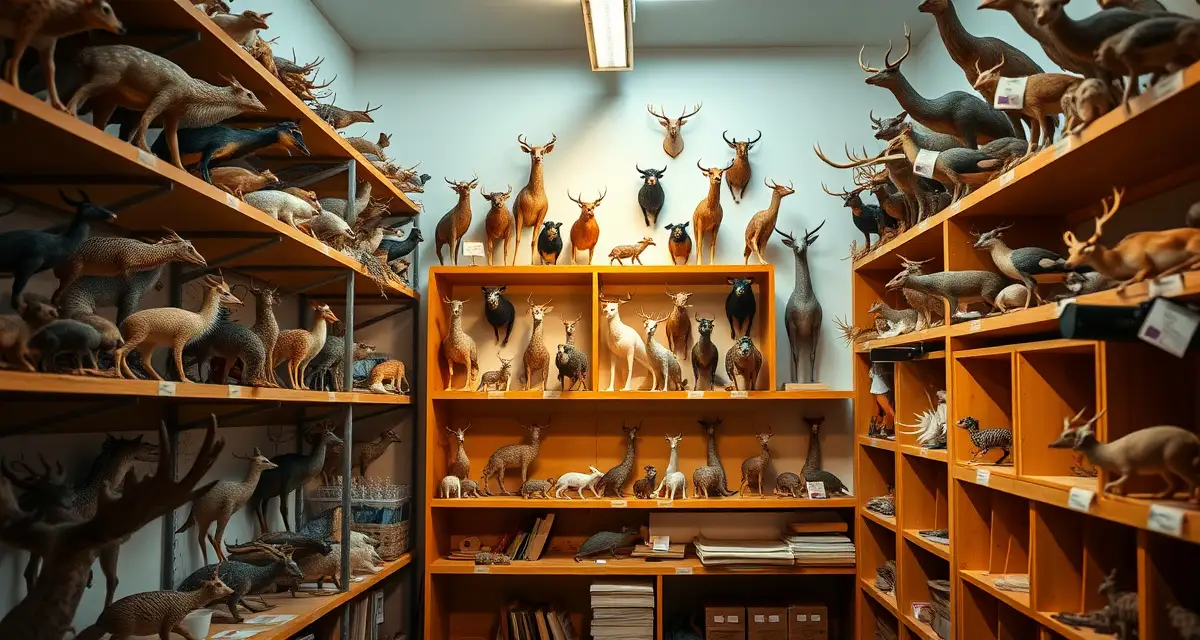
The basic organizing principle is simple: sort by species first, then by size within each species. Your deer forms are in one section, your turkey forms in another, elk, bear, and fish in their respective areas. Within deer, organize by size code or neck measurement from smallest to largest.
This sounds obvious, but many shops end up with forms in whatever open space was available when they arrived. A few seasons of that and you have deer forms next to fish forms, mixed sizes, and no idea what's on hand without a manual count.
Shelving is worth the investment. Wall-mounted shelving with enough depth to store forms horizontally prevents the bow that develops when forms lean against walls for extended periods. A bowed form can make mounting more difficult and can affect the final mount's symmetry.
For large elk and moose forms, dedicated floor space may be necessary. Label each form storage area clearly so apprentices and helpers can locate and return forms correctly.
Tracking Inventory Digitally
An inventory that lives only in your head becomes unreliable under the stress of deer season. You think you have 30 medium deer forms. You actually have 22. You started the season with 35, mounted 13 by Thanksgiving, and forgot you used 0 for that last batch of late-season rush orders.
A simple spreadsheet with species, form size, current count, reorder point, and supplier is a usable system. Set a reorder point for each common form - the quantity at which you order more - and check against that point monthly through October.
If you're using MountChief's inventory management system, you can link form usage to completed job records so your inventory count decrements automatically as you mount. Your reorder points trigger alerts rather than requiring manual checking.
Before-Season Inventory Review
Do a complete physical inventory count in August, before any pre-season orders come in. Count every form you have on hand. Compare against last year's intake numbers and your projection for this season.
Key questions to answer during the August review:
- How many deer mounts did you do last year by size category?
- What's your projection for this year?
- How many forms of each size are on hand today?
- What's the lead time from your primary supplier for each form type?
Work backward from your expected peak intake to calculate your reorder date. If you expect your first large order in mid-November and your supplier has a 7-10 day lead time, your reorder deadline is early November at the latest. That means your August count needs to flag any shortfalls.
Managing Form Ordering
Order from at least two suppliers for your most critical forms. A supply disruption with your primary supplier at the wrong time in October can leave you scrambling. Having an established relationship with a backup supplier - even if you order from them infrequently - gives you options when one source is backordered.
Some taxidermists place a conservative pre-season order in August for their most common forms and supplement with in-season reorders as intake clarifies actual volume. This approach avoids over-ordering while ensuring a baseline supply is in place before season opens.
See the deer season prep guide for the complete pre-season checklist, including form inventory review as part of the broader season preparation timeline.
Frequently Asked Questions
How do I organize taxidermy forms in my shop?
Organize by species first, then by size within each species. Install dedicated shelving for each species category and store forms horizontally to prevent bowing over time. Label each section clearly with species and size range. Keep your highest-turnover forms - typically medium and standard-large deer shoulder mount forms - in the most accessible location. Less frequently used forms for turkey, fish, and exotic species can be stored in less accessible areas. The goal is that any form you need can be found in under two minutes without a search, which becomes critical when you're mounting in batches during production season.
When should I reorder deer forms before season?
Place your pre-season form order in August based on your intake projection for the coming season. Compare your prior year's actual usage by size category to your current on-hand count, then order to bring your supply up to your projected season volume plus a 15-20% buffer for volume variation. August ordering ensures your forms arrive before any pre-season intake starts in October. For in-season supplemental orders, know your supplier's lead times and set a reorder point trigger - the count at which you need to place an order to avoid running out before the next delivery arrives. Never wait until you're nearly out to order during season.
How many deer forms should I have on hand before firearms season?
Enough to cover your expected season volume plus a 20% buffer, minus any forms you plan to order during season based on confirmed intake. If you consistently mount 100 deer per season and 60% are on a standard medium form, have at least 65-70 of that form on hand at season open. The buffer matters because intake volume can run 15-25% above your estimate in good harvest years, and you don't want to run out of your most common form in the first two weeks of gun season. Verify your supplier can fulfill mid-season orders in 5-7 days if you need to supplement - some popular forms go on backorder during peak season.
How does this apply to solo taxidermy shops?
The principles in this guide apply to solo shops just as they do to larger operations, though the scale differs. A single-person shop may have lower absolute volume but faces the same documentation, compliance, and customer communication requirements. The practical advice here scales down to any shop size.
What is the most common mistake taxidermists make with taxidermy shop forms storage?
The most common mistake is treating taxidermy shop forms storage as an afterthought rather than building it into the standard workflow from the start. Shops that encounter problems in this area typically did not establish clear processes before season, which means every situation becomes a one-off decision rather than a standard response.
Related Articles
- What Is a Taxidermy Shop Management Hub?
- What is a QR Tag in Taxidermy Shop Management?
- Elk Season Taxidermy Management Guide: Western Shop Operations
- Taxidermy Shop Chemical Storage: Safety and EPA Compliance
Try These Free Tools
Put these insights into practice with our free calculators and planners:
Sources
- National Taxidermists Association (NTA)
- US Fish & Wildlife Service
- Small Business Administration (SBA)
Get Started with MountChief
Running a taxidermy shop means juggling intake, tracking, compliance, and customer updates every day. MountChief puts all of it in one place so nothing slips through the cracks.