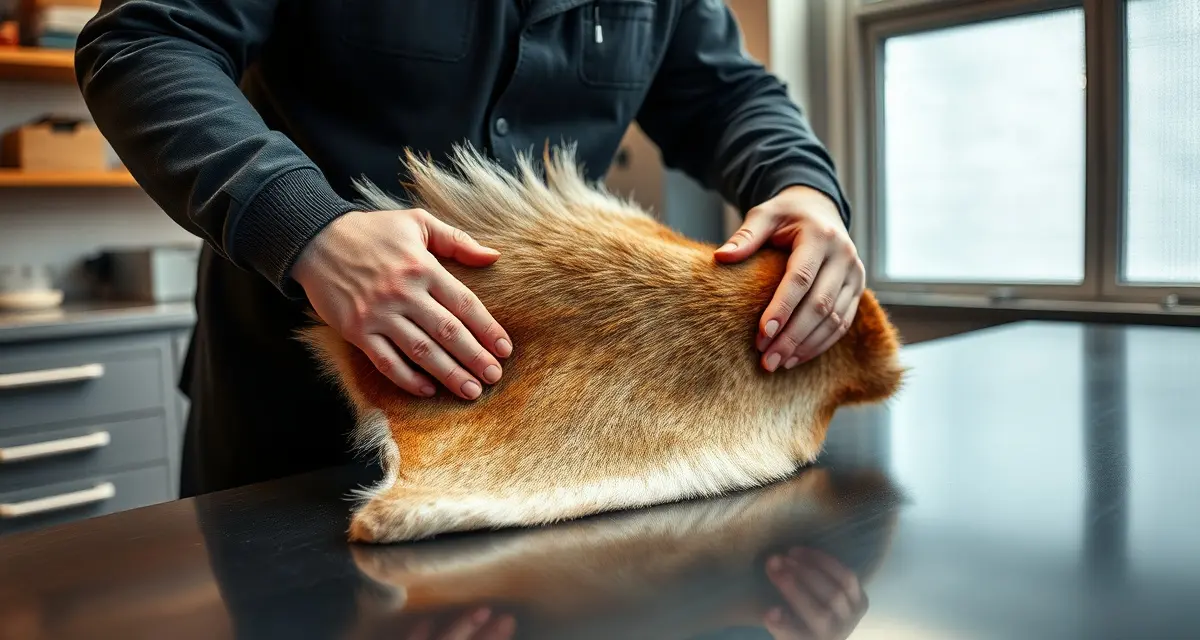
Elk Cape Handling and Storage Guide for Taxidermists
Elk cape slippage from improper cooling is the most costly preventable trophy loss in the industry. An elk cape that arrives at your shop with heat damage represents a $1,000-$2,000+ taxidermy job in jeopardy, and unlike a deer cape, the cost and emotional value of an elk hunt makes every quality dispute a high-stakes conversation.
Proper salt curing extends elk cape shelf life from days to months without a tannery. Understanding the protocol, and communicating it to hunters before their hunt, is one of the most valuable services you can provide as a taxidermist who works with elk.
TL;DR
- Critical temperature information:
- Above 70°F: Skin within 30-60 minutes of harvest
- 50-70°F: Skin within 2-4 hours
- Below 50°F: Skin within 8-12 hours
- Most elk cape slippage that arrives at the shop started in the field, the best prevention is pre-hunt customer education about the critical 2-4 hour window after harvest.
- A properly salted and frozen elk cape can be stored for 6-12 months without quality degradation.
- After 24 hours, unroll, drain the accumulated liquid, apply a second salt treatment, and allow another 24 hours.
- Roll the cape skin-side out with the salted side inside and allow it to rest for 24 hours.
- Elk cape tannery costs are $120-$200 depending on tannery and cape size, plus $40-$80 each way in shipping.
Why Elk Capes Are More Vulnerable Than Deer Capes
Two physical characteristics make elk significantly more challenging than deer:
Size: An elk neck/shoulder cape weighs 15-25 pounds. That mass holds heat for significantly longer than a deer cape. An elk that isn't field-dressed and skinned promptly can develop internal temperature sufficient to damage the cape while still appearing fine externally.
Anatomy: The long, thick guard hair of an elk holds heat and retards cooling in ways that deer hair doesn't. A deer hunter can often get away with less-than-perfect field care. Elk hunters typically cannot.
Field Care Instructions to Share with Elk Hunters
The best time to prevent a cape problem is before the hunt. Share these instructions with any customer who tells you they're planning an elk hunt:
Immediate after harvest:
- Remove the esophagus and cape the animal as soon as possible, ideally within 1-2 hours in cool weather, immediately in warm weather (above 50°F)
- If it's warm, prioritize the neck and head, that area is most vulnerable and rots fastest
- Pack ice around the neck and head if skinning isn't immediately possible
- Get to cold storage as fast as possible
If packing out of a remote area:
- Skin the cape completely before packing if temperatures are above 50°F
- Salt the flesh side heavily before rolling for pack-out
- Protect from sun exposure during the pack-out process
Critical temperature information:
- Above 70°F: Skin within 30-60 minutes of harvest
- 50-70°F: Skin within 2-4 hours
- Below 50°F: Skin within 8-12 hours
Receiving an Elk Cape at Intake
Initial Assessment
When an elk cape arrives, your first job is condition assessment:
Visual check: Look for slippage in the typical problem areas:
- Behind and around the ears
- Along the mane (elk have a distinct mane that holds heat)
- The face around the nose and eyes
- The cape edges if skinned in the field
Manual check: Run your hand firmly against the grain of the hair across the entire cape. If hair releases with moderate pressure, slippage is occurring. On a fresh cape, this should not happen.
Temperature check: Is the cape still warm? If yes, get it into your walk-in or start the salting process immediately. A warm elk cape is in active danger.
Odor check: The flesh side of an elk cape should smell like fresh meat. Strong ammonia or sour odor indicates decomposition has begun.
Documentation at Intake
Before processing, photograph the cape completely:
- Both sides fully extended
- The head and face
- The ears, front and back
- Any areas of visible slippage or concern with a measurement reference in frame
Document the condition using your standardized rating system. Elk taxidermy tracking in MountChief includes elk-specific intake fields for cape condition, heat exposure time, and field care method.
The Proper Cooling Protocol for Fresh Elk Capes
If the cape arrives fresh (not frozen), cool it rapidly:
- Lay it flat in your walk-in cooler or on a cool concrete floor. Don't roll it while warm, rolling traps heat.
- Open the head area: The skull and face retain heat. Keep that area elevated and exposed to cool air.
- Target temperature: Get the cape below 40°F as fast as possible. A walk-in cooler is ideal. If you don't have a walk-in, a large chest freezer opened and checked frequently can work for the initial cooling period.
- Don't freeze before salting: A cape that goes into a freezer without proper salting or preparation can suffer freeze damage. Initial cooling, then salting, then freezing is the correct sequence.
The Salt Curing Protocol
Salt curing is the standard preservation method when immediate tannery delivery isn't possible.
What you need:
- Fine-grain non-iodized salt (iodized salt can cause color changes)
- A large, non-porous surface for working the cape
- Plastic sheeting if working on a surface that can't be saturated
The process:
- Flesh the cape to remove remaining fat and membrane. Elk capes require thorough fleshing, any remaining tissue under salt creates a decomposition risk.
- Apply a generous layer of salt to the entire flesh side. You can't over-salt. Cover every inch, paying extra attention to the ears (turn them inside out and salt the ear cartilage area), the face, the lips, and any thick areas.
- Roll the cape skin-side out with the salted side inside and allow it to rest for 24 hours. During this period, the salt draws moisture out of the skin.
- Unroll, drain the accumulated liquid, and apply a second salt treatment. Allow another 24 hours.
- After the second treatment, the cape is stable for weeks at cool temperatures or can be frozen for months.
Ear cartilage: This is where many taxidermists cut corners. The ear cartilage must be completely removed or thoroughly salted and dried. Any remaining cartilage under an unsalted ear skin will cause slippage at the tannery. Turn the ear inside out and work salt into every fold.
Freezing for Long-Term Storage
Once properly salted and pre-dried (tacky to the touch, not wet), an elk cape can be frozen:
- Roll the cape loosely with the salted side in
- Wrap in plastic sheeting to prevent freezer burn
- Label clearly with the customer name, species, and intake date before freezing
- Store at 0°F or below
A properly salted and frozen elk cape can be stored for 6-12 months without quality degradation. An unsalted cape stored the same way will suffer from freezer burn and ice crystal damage within weeks.
Tannery Shipping Considerations
Elk capes are heavy and bulky. Tannery shipping requires:
- A large shipping box (elk capes won't fit in standard deer boxes)
- Adequate insulation and ice packs if shipping in warm weather
- Waterproof inner bag to prevent leakage during transit
- Clear exterior labeling with your shop name, the tannery address, and contact information
Log the shipment in your tannery tracking system with the exact count and expected return date. Elk cape tannery costs are $120-$200 depending on tannery and cape size, plus $40-$80 each way in shipping.
Frequently Asked Questions
How should I store an elk cape when it arrives at my shop?
If fresh, cool the cape rapidly in a walk-in cooler or on a cool surface to bring the temperature below 40°F before doing anything else. Don't roll it while warm. Once cooled, flesh and salt the cape following the protocol above. After two rounds of salting and draining, the cape can be frozen for long-term storage or shipped to the tannery. Never put a warm, unsalted elk cape directly into a freezer, the trapped heat and moisture cause damage before the freezer can cool it.
What is the proper salt curing process for an elk cape?
Apply non-iodized fine-grain salt liberally to the entire fleshed side of the cape, paying special attention to the face, ears (turned inside out), lips, and any thick areas. Roll the cape skin-side out with the salted side in and let it rest 24 hours. After 24 hours, unroll, drain the accumulated liquid, apply a second salt treatment, and allow another 24 hours. After the second treatment, the cape is stable. A salted, pre-dried cape can then be frozen for months without quality loss. Skipping the second salt treatment is the most common error in the curing process.
How do I prevent elk cape hair slippage at my taxidermy shop?
Communicate proper field care instructions to elk hunters before their hunt. At intake, assess and document the cape condition before doing any work. Cool fresh capes rapidly to below 40°F. Salt the cape fully within hours of receipt. Train your staff to recognize early slippage during the fleshing process. For capes with slippage already visible at intake, document it thoroughly and get written customer authorization before proceeding. Most elk cape slippage that arrives at the shop started in the field, the best prevention is pre-hunt customer education about the critical 2-4 hour window after harvest.
How does this apply to solo taxidermy shops?
The principles in this guide apply to solo shops just as they do to larger operations, though the scale differs. A single-person shop may have lower absolute volume but faces the same documentation, compliance, and customer communication requirements. The practical advice here scales down to any shop size.
What is the most common mistake taxidermists make with taxidermy shop elk cape handling?
The most common mistake is treating taxidermy shop elk cape handling as an afterthought rather than building it into the standard workflow from the start. Shops that encounter problems in this area typically did not establish clear processes before season, which means every situation becomes a one-off decision rather than a standard response.
Related Articles
- Tannery Comparison Guide for US Taxidermists: Region by Region
- What Causes Elk Cape Slippage and How to Prevent It?
Try These Free Tools
Put these insights into practice with our free calculators and planners:
Sources
- National Taxidermists Association (NTA)
- US Fish & Wildlife Service
- Rocky Mountain Elk Foundation
- Breakthrough Magazine
- State wildlife agencies
Get Started with MountChief
Elk hunters invest significantly in their trophies and expect professional handling from intake through finished mount. MountChief's AI intake, tannery tracking, and customer portal give every elk customer the visibility and communication they expect during a 10-16 month process. Try MountChief before elk season opens.