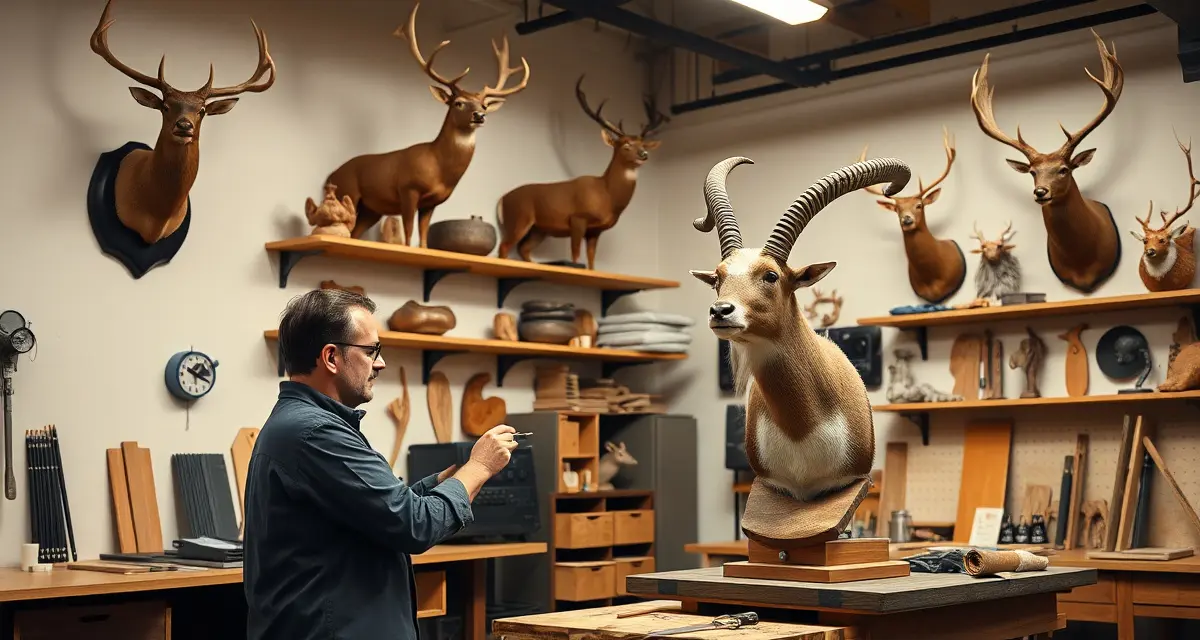
Taxidermy Shop Management Software for Idaho Shops
Idaho elk harvest ranks among the top 5 nationally. Add mule deer, black bear, mountain goat, bighorn sheep, and pronghorn, and you have one of the most diverse big game states in the country from a taxidermist's perspective.
But diversity creates documentation complexity. Idaho Department of Fish and Game (IDFG) requires species-specific records, and mountain goat and bighorn sheep in particular require special IDFG documentation that most general intake forms don't capture.
MountChief's Idaho configuration builds IDFG compliance records into the intake workflow for all regulated species, including the additional documentation prompts for mountain goat and bighorn sheep.
TL;DR
- Records must be available for IDFG inspection and should be retained for a minimum of 3 years.
- For taxidermy shops in Idaho, this means a mix of local clients and visiting hunters who need mounts shipped out of state when complete.
- When a hunter finally connects on a billy goat or bighorn ram, they're bringing you one of the most important trophies of their hunting career.
- These mounts are high-value. Full shoulder or skull and horn mounts for these species run $1,200-2,500 or more, and the documentation requirements are correspondingly more detailed.
- Record retention is a minimum of 3 years in Idaho. Given IDFG's periodic inspection program, keeping records longer is wise.
- Idaho elk harvest ranks among the top 5 nationally.
Idaho's Big Game Taxidermy Environment
Idaho is a major hunting destination for both resident and non-resident hunters. Trophy elk, exceptional mule deer, and limited-entry species like mountain goat, bighorn sheep, and moose draw hunters from across the country.
For taxidermy shops in Idaho, this means a mix of local clients and visiting hunters who need mounts shipped out of state when complete. The combination creates both compliance and logistical complexity.
Fall Multi-Species Season Overlap
Idaho's fall hunting season creates an overlap of elk, deer, black bear, and upland bird intakes happening simultaneously. From September through November, you might take in elk capes in the morning, mule deer in the afternoon, and bird mounts from the previous weekend.
Managing this multi-species surge with a paper system means intake paperwork for different species looks different, documentation requirements vary, and the risk of missing a required field on one species while rushing through 10 intakes a day goes up sharply.
MountChief's intake form changes based on the species you select. Enter elk, and the elk-specific documentation fields appear. Enter mountain goat, and the bighorn/goat-specific IDFG prompts load. You never have to remember which fields apply to which species.
IDFG Documentation Requirements for Idaho Taxidermists
Idaho taxidermists are required to maintain records for all wildlife received. Required intake documentation includes:
- Customer name, address, and contact information
- Species and sex of the specimen
- IDFG hunting license number
- Tag number (species-specific)
- Harvest date
- Wildlife management zone or unit where the animal was harvested
- Date specimen received
For mountain goat and bighorn sheep specifically, tag numbers are tied to limited entry draws and have additional documentation requirements. IDFG uses these records to track harvest data for population management.
Record retention is a minimum of 3 years in Idaho. Given IDFG's periodic inspection program, keeping records longer is wise.
Mountain Goat and Bighorn Sheep: High-Value Documentation
Idaho's mountain goat and bighorn sheep tags are limited-entry draws that hunters may wait years or decades to receive. When a hunter finally connects on a billy goat or bighorn ram, they're bringing you one of the most important trophies of their hunting career.
These mounts are high-value. Full shoulder or skull and horn mounts for these species run $1,200-2,500 or more, and the documentation requirements are correspondingly more detailed.
Mountain Goat Records
IDFG requires specific documentation for mountain goat harvest, including the hunting zone, tag type (limited entry), and biological data collected at harvest. Taxidermists should capture the tag number and zone at intake and retain these records as they're tied to IDFG's goat population monitoring.
Bighorn Sheep Records
Bighorn sheep are similarly documented. IDFG tracking of bighorn harvest is used for management decisions affecting future tag allocations. Your records become part of that data chain.
For both species, any specimens that will be shipped out of state after mounting need Lacey Act documentation ensuring legal interstate transport.
Managing Idaho's Elk Season
Idaho's elk season runs from August (archery) through November (late rifle seasons). Peak intake for most shops comes in October during the general rifle season.
Idaho elk are predominantly Rocky Mountain elk, with large populations in the Clearwater, Salmon, and Selway drainages. Trophy elk in Idaho draw non-resident hunters who need their mounts shipped to other states.
Elk Cape Management
Elk capes are large, expensive, and time-sensitive. A poorly handled elk cape can be damaged beyond use: one left too long before fleshing, frozen improperly, or not salted correctly before transport is often unsalvageable. Documenting the cape's condition at intake protects you from claims that damage happened at your shop.
Taxidermy shop management software with photo intake capabilities lets you capture the cape condition at arrival. MountChief attaches photos to the intake record so the condition is documented from the moment the hide enters your care.
Related Articles
- Taxidermy Shop Management Software for California Shops
- Taxidermy Shop Management Software for Colorado Shops
- Taxidermy Shop Management Software for Connecticut Shops
FAQ
What IDFG records must Idaho taxidermists maintain?
Idaho taxidermists must maintain records for every wildlife specimen received. Required fields include customer name and address, species and sex, IDFG license number, tag number, harvest date, harvest zone or management unit, and date received. Mountain goat and bighorn sheep require additional documentation tied to their limited-entry tag status. Records must be available for IDFG inspection and should be retained for a minimum of 3 years.
Does Idaho require a taxidermy license?
Yes. Idaho requires taxidermists to hold a Taxidermist License issued by IDFG. The license must be renewed annually. You must also comply with federal permits for migratory birds if you accept any bird species for mounting. Operating without a valid state license can result in fines and potential loss of your ability to legally work as a taxidermist in Idaho.
How do Idaho shops handle the fall multi-species season overlap?
The key is having intake systems that adapt to the species, not forms that require you to adapt to them. MountChief's species-adaptive intake fields ensure the right documentation is captured for each species without you having to maintain separate forms. During peak fall weeks when you're processing elk, deer, and bear intakes simultaneously, automated customer notifications and status updates ensure customers know where their mount stands without calling your shop.
How does this apply to solo taxidermy shops?
The principles in this guide apply to solo shops just as they do to larger operations, though the scale differs. A single-person shop may have lower absolute volume but faces the same documentation, compliance, and customer communication requirements. The practical advice here scales down to any shop size.
What is the most common mistake taxidermists make with taxidermy shop management idaho?
The most common mistake is treating taxidermy shop management idaho as an afterthought rather than building it into the standard workflow from the start. Shops that encounter problems in this area typically did not establish clear processes before season, which means every situation becomes a one-off decision rather than a standard response.
Try These Free Tools
Put these insights into practice with our free calculators and planners:
Sources
- National Taxidermists Association (NTA)
- US Fish & Wildlife Service
- Small Business Administration (SBA)
Idaho Compliance, Built Into Your Intake
Idaho's species diversity, IDFG inspection program, and special requirements for limited-entry species like mountain goat and bighorn sheep make documentation accuracy critical.
MountChief's Idaho configuration handles IDFG compliance at intake, with species-specific documentation prompts for every regulated species including mountain goat, bighorn sheep, elk, mule deer, and black bear.
Start your free MountChief trial and handle Idaho compliance from your very first intake.
Get Started with MountChief
Taxidermy shops that track specimens, manage customer communication, and handle compliance in one system spend less time on admin and more time on quality work. That is what MountChief was built for.