Taxidermy Shop Management Software for Maine Shops
Maine moose permits are lottery-only. That means every moose mount you receive represents a hunter who waited years, sometimes 10+ years, to draw that tag. These are some of the most emotionally and financially weighty mounts your shop will ever handle.
Getting the documentation right, treating the specimen with appropriate care, and communicating clearly throughout the process isn't just good service. It's the baseline expectation for a mount that took a decade to make possible.
MountChief's Maine configuration supports MDIFW (Maine Department of Inland Fisheries and Wildlife) permit and lottery documentation, including the specific intake records required for moose and other lottery-allocated species.
TL;DR
- Records must be retained for a minimum of 3 years in Maine.
- Federal Taxidermist Permit requirements apply to all migratory birds, and federal records must be retained for 5 years.
- season is short, typically 5-6 days for each permit zone.
- When the production timeline runs 12-18 months for a full-body mount, no news starts feeling like bad news after a few months.
- That means every moose mount you receive represents a hunter who waited years, sometimes 10+ years, to draw that tag.
- full-body moose mount runs $4,000-8,000+.
Maine's Taxidermy Species Mix
Maine has a diverse but distinctly Northeastern big game mix that drives taxidermy volume.
White-Tailed Deer
Maine's whitetail deer season is the backbone of most shop's annual volume. Season runs from September through November across various zones. Northern Maine produces some of the largest body-weight whitetails in the country due to genetics and hard winters that favor body condition.
Standard MDIFW deer documentation applies: hunting license number, deer tag, harvest date, and zone.
Black Bear
Maine has one of the largest black bear populations in the eastern US, and bear hunting generates steady taxidermy work. Maine's bear season runs July through November, with various methods legal throughout the season.
Black bear mounts from Maine tend to be full-body or shoulder mounts. Documentation requirements include the bear tag and license information. The September archery and October firearms seasons create the main intake windows.
Moose: The Lottery Species
Maine manages its moose herd through a lottery permit system. Tags are limited and allocated by Wildlife Management District (WMD). Some WMDs have been eliminated or reduced in recent years due to tick-related moose mortality concerns.
For taxidermists, a moose intake is a high-stakes event. The animal represents years of waiting and a real financial investment from the hunter (non-resident moose permits in particular are expensive). A full-body moose mount runs $4,000-8,000+. A shoulder mount averages $1,200-2,000.
Maine moose permits are lottery-only, creating unpredictable but high-value intake events. You may go months without a moose intake and then have two or three come in the same week during October.
MDIFW Documentation for Maine Taxidermists
Maine taxidermists must maintain records for all wildlife received. MDIFW-required documentation includes:
- Customer name and address
- Species and sex of specimen
- MDIFW hunting license number
- Tag or permit number (lottery permit number for moose)
- Wildlife Management District where the animal was harvested
- Date of harvest
- Date received at the shop
For moose, the lottery permit number is the critical documentation. MDIFW issues a specific permit to each successful lottery hunter, and that permit number ties the moose to its legal harvest chain. This must be recorded at intake and retained with the job record.
Records must be retained for a minimum of 3 years in Maine.
Handling the Moose Season Logistics
Maine moose season runs in October, with the specific dates varying by WMD. The season is short, typically 5-6 days for each permit zone. That concentrated window means shops near active moose units can see multiple large-specimen intakes in a very short period.
Size and Handling Considerations
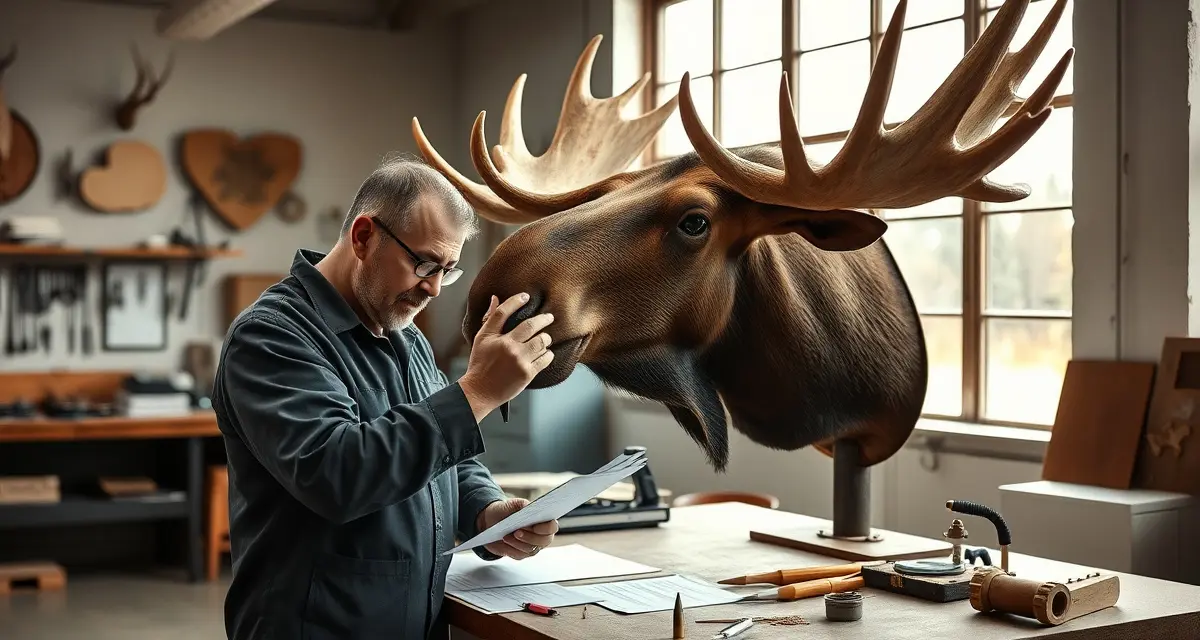
Adult bull moose in Maine are massive animals. A full-body moose mount requires specialized forms, a large dedicated workspace, and considerably longer production time than any deer or bear project. Factor this into your capacity planning before accepting more moose than your shop can realistically handle in a season.
Communicating Timelines for High-Value Mounts
Given the emotional significance of a lottery moose permit, customers need regular communication about their mount's status. When the production timeline runs 12-18 months for a full-body mount, no news starts feeling like bad news after a few months.
Taxidermy shop management software with automated status updates keeps moose permit hunters in the loop without requiring you to make individual phone calls. Status updates when the hide returns from the tannery, when the form is ordered, and when mounting is underway all matter for high-value lottery mounts.
Maine Waterfowl and Upland Bird Work
Maine's coastal and inland waterfowl hunting generates duck and goose mount work. Federal Taxidermist Permit requirements apply to all migratory birds, and federal records must be retained for 5 years.
Ruffed grouse, woodcock, and other upland birds are also common in Maine. While these don't require the same federal documentation as migratory waterfowl, standard intake records should be maintained.
Related Articles
- Taxidermy Shop Management Software for California Shops
- Taxidermy Shop Management Software for Colorado Shops
- Taxidermy Shop Management Software for Connecticut Shops
FAQ
What MDIFW records must Maine taxidermists keep?
Maine taxidermists must maintain records for all wildlife received, including customer name and address, species and sex, MDIFW license number, tag or permit number, harvest Wildlife Management District, harvest date, and date received. For moose, the lottery permit number is required documentation. Records must be retained for a minimum of 3 years and available for MDIFW inspection.
Does Maine require a taxidermy license?
Yes. Maine requires taxidermists to hold a Taxidermist License issued by MDIFW. The license must be renewed annually. Federal permits are additionally required for migratory birds. Taxidermists working without a valid license are subject to fines and legal action. Contact MDIFW for current licensing requirements and fees.
How do Maine shops handle moose permit season logistics?
Planning ahead of the October moose season is essential. Know your capacity for large specimens before the season opens and communicate intake limits if necessary. Lottery permit holders are typically very engaged customers. Set expectations clearly at intake about timelines, tannery process, and communication schedule. MountChief's automated status notifications are particularly valuable for moose mounts given the long production timelines and the emotional investment these hunters have in their mount.
How does this apply to solo taxidermy shops?
The principles in this guide apply to solo shops just as they do to larger operations, though the scale differs. A single-person shop may have lower absolute volume but faces the same documentation, compliance, and customer communication requirements. The practical advice here scales down to any shop size.
What is the most common mistake taxidermists make with taxidermy shop management maine?
The most common mistake is treating taxidermy shop management maine as an afterthought rather than building it into the standard workflow from the start. Shops that encounter problems in this area typically did not establish clear processes before season, which means every situation becomes a one-off decision rather than a standard response.
Try These Free Tools
Put these insights into practice with our free calculators and planners:
Sources
- National Taxidermists Association (NTA)
- US Fish & Wildlife Service
- Taxidermy Today
- Small Business Administration (SBA)
Maine Taxidermy Management, Built for Northeast Species
Lottery moose permits, black bear season, northern whitetail deer, and waterfowl. Maine's species mix is distinctly different from the South or West, and the emotional weight of lottery species creates a customer communication challenge that good software makes much easier.
MountChief's Maine configuration handles MDIFW documentation for all regulated species, with specific lottery permit number fields for moose and other draw-allocated tags.
Start your free MountChief trial and manage Maine compliance from your next intake forward.
Get Started with MountChief
Whether you handle 20 mounts a year or 200, the administrative side of taxidermy scales fast. MountChief keeps intake, tracking, and communication manageable at any volume.