Taxidermy Shop Management Software for Nevada Shops
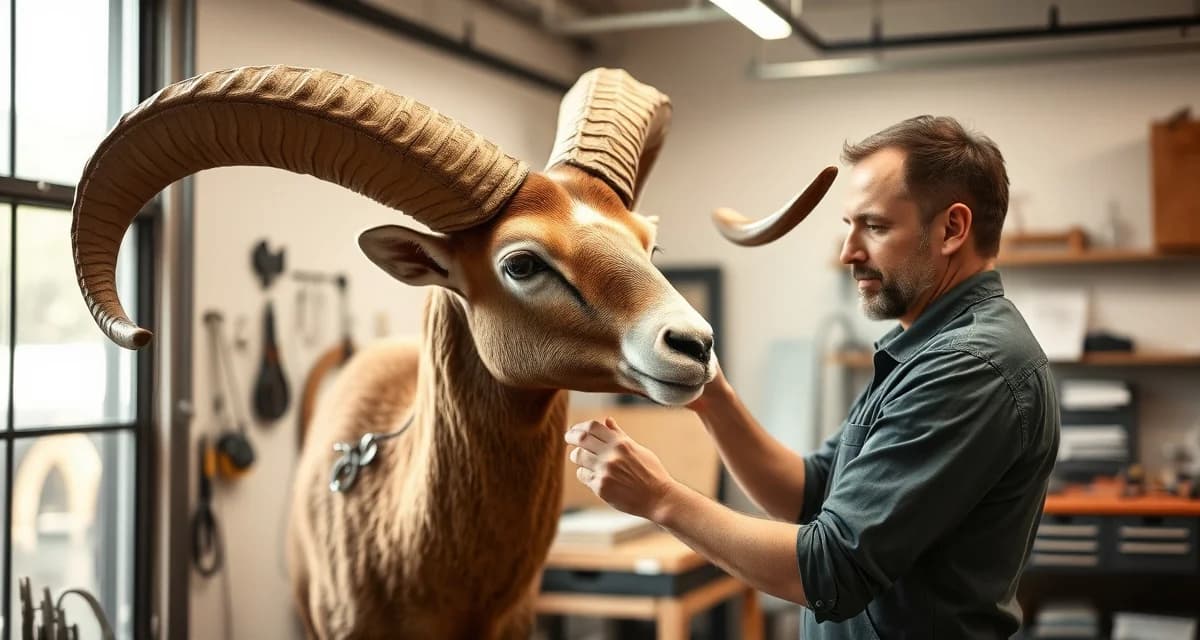
Nevada bighorn sheep tags sell for $100,000+ at auction. When a hunter brings that sheep into your shop, you're holding one of the most valuable trophies taken anywhere in North America in a given year. The documentation requirements, the production quality expected, and the customer communication standard are all at a completely different level.
Nevada mule deer in the Ruby Mountains consistently produce trophy-class animals, and Nevada's limited-entry system for multiple species creates high-value, emotionally weighty intakes that demand professional management.
MountChief's Nevada configuration builds NDOW (Nevada Department of Wildlife) permit documentation for trophy species into the intake workflow automatically.
TL;DR
- A hunter who waited 15 years for a desert bighorn permit is going to want to know where their mount stands.
- Customers who understand the timeline from day one are far more patient customers at month 12.
- MountChief attaches all documentation and photos to the permanent job record, ensuring nothing is lost across a 12-18 month production timeline.
- Records must be available for NDOW inspection and retained for a minimum of 3 years.
- Auction tags for governor's permits have sold for over $200,000.
- High-value bighorn sheep mount documentation should be retained indefinitely, not just for the minimum compliance period.
Nevada's Trophy Species Landscape
Nevada operates primarily on a draw permit system for most big game. This creates a taxidermy business environment dominated by high-value, limited-frequency intakes rather than high-volume steady intake like a Midwest deer state.
Bighorn Desert Sheep and Rocky Mountain Bighorn
Nevada's bighorn sheep are among the most coveted tags in North America. Both desert bighorn (native to Nevada's Mojave regions) and Rocky Mountain bighorn (in northern Nevada) are managed through a strict limited-entry draw and auction system.
Auction tags for governor's permits have sold for over $200,000. Even standard draw tags represent years or decades of waiting for many hunters.
For taxidermists, a bighorn sheep intake requires:
- NDOW limited-entry permit number
- Species identification (desert vs. Rocky Mountain)
- Harvest district or game management unit
- Documentation of horn measurement if collected by a game warden
- Customer name, address, and out-of-state information if applicable
High-value bighorn sheep mount documentation should be retained indefinitely, not just for the minimum compliance period.
Nevada Mule Deer
Nevada's Ruby Mountains, East Humboldt, and other premium units produce exceptional mule deer. The draw system limits access, creating trophy-quality animals that hunters pursue for years.
Standard NDOW documentation applies to mule deer. Trophy mule deer mounts (shoulder or pedestal) from Nevada's premier units represent substantial investments. Capes go to top-tier tanneries, and production quality expectations are high.
Other Nevada Species
Nevada supports hunting for elk (limited in numbers but quality is high), pronghorn antelope, mountain lion, and chukar partridge. Each has its own NDOW documentation requirements, and MountChief's Nevada configuration loads the appropriate fields at intake based on species selected.
NDOW Documentation Requirements for Nevada Taxidermists
Nevada taxidermists must maintain records for all wildlife received. NDOW-required documentation includes:
- Customer name, address, and contact information
- Species and sex of specimen
- Nevada hunting license number
- Tag or permit number
- Game Management Unit where the animal was harvested
- Harvest date
- Date specimen received at the shop
For limited-entry species like bighorn sheep, mountain goat, and elk, the permit number is tied to a specific draw allocation and is critical documentation. NDOW tracks these permits closely.
Records must be available for NDOW inspection and retained for a minimum of 3 years. For high-value trophy species, keeping records indefinitely is strongly advisable.
The High-Value Mount Customer Experience
Nevada's trophy species clients are not typical hunting customers. Many have waited years or decades for their permit. They've invested in a guided hunt that may have cost $5,000-20,000+. They expect the taxidermy experience to match the quality of the hunt.
This creates specific requirements for how you run your operation:
Communication Standards for Trophy Clients
A hunter who waited 15 years for a desert bighorn permit is going to want to know where their mount stands. They'll want updates at each major milestone. They may have questions about tannery selection, pose options, and habitat base design that require real conversations, not just status texts.
Taxidermy shop management software with automated status updates handles the routine check-ins. When the cape returns from the tannery, the customer gets notified. When the mount is in progress, another update goes out. The premium conversation (the one where you discuss pose and detail options) is the one that requires your personal expertise and time.
Timeline Expectations for Trophy Species
Full-body bighorn sheep or pedestal mule deer mounts have long production timelines. Realistic expectations need to be set at intake and reinforced through the process. Customers who understand the timeline from day one are far more patient customers at month 12.
Related Articles
- Taxidermy Shop Management Software for California Shops
- Taxidermy Shop Management Software for Colorado Shops
- Taxidermy Shop Management Software for Connecticut Shops
FAQ
What NDOW records must Nevada taxidermists maintain?
Nevada taxidermists must maintain records for all wildlife received, including customer name and address, species and sex, Nevada hunting license number, tag or permit number, Game Management Unit, harvest date, and date received. For limited-entry trophy species like bighorn sheep, the permit number is the critical documentation element. Records must be available for NDOW inspection and retained for a minimum of 3 years.
Is taxidermy licensed in Nevada?
Yes. Nevada requires taxidermists to hold a Taxidermist License issued by NDOW. The license must be renewed annually. Federal permits are required for migratory birds, and CITES documentation is required for any applicable international trophy specimens. Operating without a valid state license can result in substantial fines.
How do Nevada shops handle high-value bighorn sheep mount documentation?
The key is thorough documentation at intake: the NDOW permit number, the game management unit, the harvest date, the species, and detailed photographs of the specimen's condition and trophy character. For a tag that may have cost $100,000 at auction, every detail of the intake record matters for compliance and for your own liability protection. MountChief attaches all documentation and photos to the permanent job record, ensuring nothing is lost across a 12-18 month production timeline.
How does this apply to solo taxidermy shops?
The principles in this guide apply to solo shops just as they do to larger operations, though the scale differs. A single-person shop may have lower absolute volume but faces the same documentation, compliance, and customer communication requirements. The practical advice here scales down to any shop size.
What is the most common mistake taxidermists make with taxidermy shop management nevada?
The most common mistake is treating taxidermy shop management nevada as an afterthought rather than building it into the standard workflow from the start. Shops that encounter problems in this area typically did not establish clear processes before season, which means every situation becomes a one-off decision rather than a standard response.
Try These Free Tools
Put these insights into practice with our free calculators and planners:
Sources
- National Taxidermists Association (NTA)
- US Fish & Wildlife Service
- Small Business Administration (SBA)
Nevada Trophy Species Management, Built In
Nevada's draw-tag system creates a taxidermy business dominated by high-value, once-in-a-lifetime trophy intakes. The documentation requirements, customer expectations, and production standards are all elevated accordingly.
MountChief's Nevada configuration handles NDOW permit documentation for bighorn sheep, mule deer, elk, and all other regulated species at intake, with fields specific to limited-entry trophy species.
Start your free MountChief trial and manage Nevada compliance from your next intake forward.
Get Started with MountChief
Tracking dozens of active mounts across different stages is hard enough without juggling separate tools for each task. MountChief brings intake, status tracking, and customer messaging into one place.