Taxidermy Shop Management Software for Oregon Shops
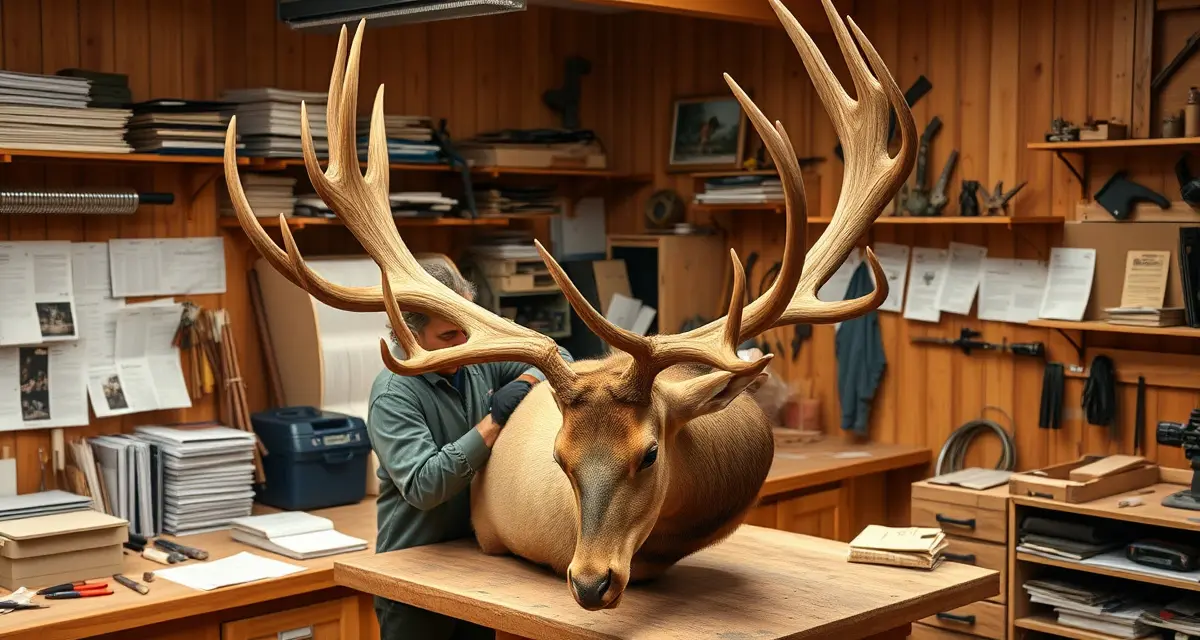
Oregon Roosevelt elk produce some of the largest antler mass of any elk subspecies found in North America. A mature Roosevelt bull from Oregon's Coast Range is a genuinely different animal than a Rocky Mountain elk from Colorado. Bigger body, different antler structure, different scoring system under B&C and SCI.
And that distinction matters for taxidermists. Oregon's coastal blacktail deer are similarly a distinct subspecies with their own documentation requirements. Running a shop in Oregon means managing multiple elk subspecies and multiple deer subspecies, each with specific ODFW (Oregon Department of Fish and Wildlife) documentation needs.
MountChief's Oregon configuration handles ODFW compliance and subspecies documentation at intake for Roosevelt elk, Rocky Mountain elk, blacktail deer, and other Oregon species.
TL;DR
- Records must be retained for a minimum of 3 years and available for ODFW inspection.
- Bear mounts (shoulder, rug, or skull) are common in shops throughout western Oregon.
- Pronghorn intakes are less frequent but represent high-value work for shops in eastern Oregon.
- This extended season calendar means Oregon shops don't have a single concentrated surge the way Midwest deer states do.
- The principles in this guide apply to solo shops just as they do to larger operations, though the scale differs.
- A single-person shop may have lower absolute volume but faces the same documentation, compliance, and customer communication requirements.
Oregon's Subspecies Documentation Challenge
Oregon is one of a handful of states where two elk subspecies occur within state borders. Roosevelt elk (Cervus canadensis roosevelti) are found in the Coast Range and Cascades west of the Cascade crest. Rocky Mountain elk (Cervus canadensis nelsoni) are found east of the Cascades.
Why Subspecies Matter for Documentation
ODFW manages these subspecies with separate population targets and different tag structures. For taxidermists, documenting the correct subspecies isn't just biological accuracy, it's part of accurate compliance record-keeping.
When a hunter brings you an elk from the Coast Range, that's a Roosevelt elk. When they bring one from eastern Oregon, that's Rocky Mountain elk. The documentation should reflect which subspecies and which ODFW management zone the animal came from.
MountChief's Oregon intake workflow includes subspecies selection for elk and deer, ensuring your records accurately reflect the animal's identity.
Blacktail Deer Documentation
Oregon's coastal blacktail deer (Columbian blacktail, Odocoileus hemionus columbianus) are a distinct subspecies from the mule deer found east of the Cascades. Trophy blacktail are scored separately from mule deer under Boone and Crockett records.
For taxidermists, documenting blacktail correctly (including the subspecies and the ODFW unit where the deer was harvested) is part of accurate record-keeping.
ODFW Documentation Requirements for Oregon Taxidermists
Oregon taxidermists must maintain records for all wildlife received. ODFW-required documentation includes:
- Customer name, address, and contact information
- Species (including subspecies for elk and deer)
- Sex of specimen
- ODFW hunting license number
- Tag number
- Wildlife management unit where the animal was harvested
- Harvest date
- Date received at the shop
Roosevelt elk and Rocky Mountain elk should be distinguished in your records, as should blacktail and mule deer. This subspecies documentation is part of ODFW's wildlife population management data chain.
Records must be retained for a minimum of 3 years and available for ODFW inspection.
Oregon's Species Diversity
Beyond elk and deer, Oregon taxidermists work with a diverse species mix:
Black bear: Oregon has a significant black bear population with both spring and fall seasons. Bear mounts (shoulder, rug, or skull) are common in shops throughout western Oregon.
Pronghorn antelope: Eastern Oregon's high desert supports pronghorn hunting on a draw system. Pronghorn intakes are less frequent but represent high-value work for shops in eastern Oregon.
Rocky Mountain goat: Limited tags available through a draw. These are high-value intakes similar to bighorn sheep. Carefully documented, high-emotion mounts for hunters who've waited years.
Coastal species: Shops near the Oregon coast may handle sea lion skulls, marine mammal parts from legal beach finds, and other coastal specimens. Federal Marine Mammal Protection Act regulations apply to any marine mammal specimens, consult USFWS before accepting any marine mammal work.
Managing Oregon's Hunting Calendar
Oregon's seasons are spread across a longer calendar than many states. Roosevelt elk hunting begins in August with archery and runs through various rifle seasons into November. Blacktail archery season opens in August on the west side. Black bear seasons run spring and fall.
This extended season calendar means Oregon shops don't have a single concentrated surge the way Midwest deer states do. Instead, intake is more spread across September through November with multiple species coming in simultaneously during the peak fall window.
Taxidermy shop management software with a multi-species job board gives Oregon shops a real-time view of what's in process across all species, which specimens are at tannery, and which jobs are approaching their estimated completion dates.
Related Articles
- Taxidermy Shop Management Software for Arkansas Shops
- Taxidermy Shop Management Software for California Shops
- Taxidermy Shop Management Software for Connecticut Shops
FAQ
What ODFW records must Oregon taxidermists keep?
Oregon taxidermists must maintain records for all wildlife received, including customer name and address, species and subspecies, sex, ODFW license number, tag number, wildlife management unit, harvest date, and date received. For elk, documentation should distinguish between Roosevelt and Rocky Mountain elk by subspecies and management unit. Records must be retained for a minimum of 3 years and be available for ODFW inspection.
Does Oregon require a taxidermy license?
Yes. Oregon requires taxidermists to hold a Taxidermist License issued by ODFW. The license must be renewed annually. Federal permits are required for migratory birds. Taxidermists handling any marine mammal specimens should verify federal Marine Mammal Protection Act compliance requirements before accepting any such work.
How do Oregon shops handle Roosevelt elk vs Rocky Mountain elk documentation?
At intake, record the subspecies explicitly rather than just "elk." The ODFW management unit where the animal was harvested will confirm the subspecies: Roosevelt elk come from units west of the Cascades, Rocky Mountain elk from units east of the Cascades. MountChief's Oregon intake workflow includes subspecies selection fields for elk and deer, ensuring accurate documentation without relying on memory or manual research to determine the correct subspecies designation.
How does this apply to solo taxidermy shops?
The principles in this guide apply to solo shops just as they do to larger operations, though the scale differs. A single-person shop may have lower absolute volume but faces the same documentation, compliance, and customer communication requirements. The practical advice here scales down to any shop size.
What is the most common mistake taxidermists make with taxidermy shop management oregon?
The most common mistake is treating taxidermy shop management oregon as an afterthought rather than building it into the standard workflow from the start. Shops that encounter problems in this area typically did not establish clear processes before season, which means every situation becomes a one-off decision rather than a standard response.
Try These Free Tools
Put these insights into practice with our free calculators and planners:
Sources
- National Taxidermists Association (NTA)
- US Fish & Wildlife Service
- Small Business Administration (SBA)
Oregon Compliance, From Roosevelt Elk to Coastal Species
Oregon's subspecies documentation complexity, diverse species mix, and ODFW compliance requirements across a multi-month season calendar create a documentation environment that benefits from species-specific intake tools.
MountChief's Oregon configuration handles ODFW documentation at intake, including subspecies fields for elk and deer, with automated customer notifications across Oregon's extended season calendar.
Start your free MountChief trial and manage Oregon compliance from your next intake forward.
Get Started with MountChief
Between intake forms, CITES documentation, and customer follow-ups, running a taxidermy business involves a lot of moving parts. MountChief keeps them organized in one dashboard.