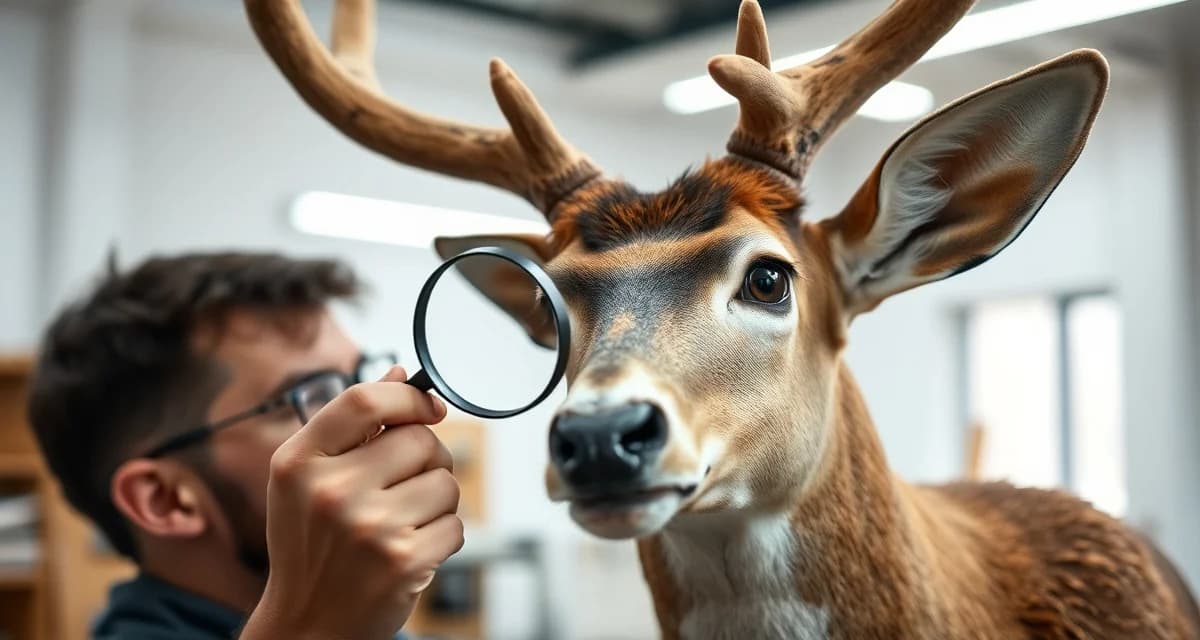
How Do I Know If My Taxidermist Is Doing Good Work?
Before you drop your trophy at a taxidermist you've never used, you should know what good work looks like, and what red flags to watch for. And once your mount is in production, there are ways to monitor whether the experience matches the quality you expected.
TL;DR
- Natural eye placement and lifelike glass eyes are one of the most visible quality indicators in a finished mount.
- Tight hide fit with no wrinkling or bunching around the face, neck, and brisket indicates skilled mounting.
- Detailed nose and lip work, with proper septum definition and natural lip edges, is a mark of experienced finishing.
- Ear cartilage detail, whether the ears appear thin and natural or thick and artificial, reflects skill and materials.
- Competition awards and certifications provide third-party verification of quality for new customers.
Before You Drop Off: Evaluating a Taxidermist
Look at Their Portfolio
Any taxidermist worth trusting has a portfolio. Ask to see finished deer shoulder mounts, or check their Google Business Profile and social media.
When you're looking at a deer shoulder mount, here's what quality looks like:
Cape seam: The seam running down the back of the neck on a shoulder mount should be tight and nearly invisible. A visible seam with hair gaps or dried adhesive showing is sloppy finishing work.
Eye positioning: The eyes should look natural and symmetrical. Eyes that are too high, too low, or uneven create an alert or dead expression that doesn't look natural. The eyelids should be tight against the glass eye with no visible gaps or dried adhesive.
Nose and lips: These are among the most difficult parts to finish well. A quality nose and lip job shows tight, natural skin positioning with no cracking, shrinkage, or visible pulling away from the form.
Hair direction and lay: The hair should lay naturally in the correct direction. Hair that's been glued against its natural direction, or that shows obvious brushmarks, suggests rushed finishing.
Form quality: The underlying form should match the deer's species and size correctly. The nose-to-muzzle proportions should look right. If the form is clearly too large or small for the cape, the mount will look wrong regardless of the finish work.
Ask About Their Process
A taxidermist who explains their process confidently (how they handle the tannery, their production timeline, what happens if there's a problem) is someone operating professionally.
Questions worth asking:
- Which tannery do you use?
- What's your current production timeline?
- Do you use quality forms from reputable suppliers?
- What happens if there's an issue with my cape?
A taxidermist who gets defensive or vague about these questions is showing you something.
Visit the Shop
A professional shop is organized and reasonably clean. Work areas are set up for the job. You don't need a spotless showroom (taxidermy is a working craft) but a shop that's chaotic and disorganized tends to produce work that reflects those habits.
Signs of a High-Quality Finished Mount
When you pick up your finished mount, here's what to look for:
Natural pose: The mount should look like the animal looked in life. A deer shoulder mount should have the neck and head in a position that a living deer would naturally hold. Forced or unnatural angles suggest form selection errors or shortcuts.
Eye quality: Glass eyes should look alive and symmetrical. The proper eye color for the species. Eyelids tight and natural.
No visible seams: A quality taxidermist hides the work. You shouldn't see obvious seams, adhesive, or finishing material.
Cape condition: No bald spots, no cracking, no patchwork that wasn't disclosed at intake.
Stable mounting: The mount should be stable on its plaque or panel. It shouldn't wobble or feel insecure.
Signs of a Low-Quality Shop to Avoid
- No portfolio to review: a taxidermist with no examples of finished work to show is not established
- Unusually low prices: pricing significantly below the market rate often reflects quality shortcuts
- No customer references: inability to provide references or reviews is a concern
- Vague timelines: "sometime next year" is not an acceptable answer to a timeline question
- No documentation at intake: a taxidermist who takes your deer without capturing any harvest information or condition photos is operating below professional standards
Monitoring Quality During the Process
Taxidermists with customer portals tend to attract higher-quality hunters as repeat clients because the portal experience signals professionalism. It also creates ongoing transparency throughout the process.
Professional shops with tracking systems have 25 percent lower quality dispute rates. That's not because the tracking changes the physical work. It's because organized shops with structured processes tend to produce more consistent results overall.
Frequently Asked Questions
What should I look for in a quality deer shoulder mount?
Examine the seam down the back of the neck (it should be tight and nearly invisible. Look at the eye positioning: symmetrical, natural expression, eyelids tight against the glass. Check the nose and lip area for natural, non-cracking skin. The cape should lay naturally with hair direction correct throughout. The form should match the deer's proportions) not too large, not too small.
Can I visit my taxidermist's shop to see their work?
Yes, and you should before dropping off a significant trophy. A professional shop welcomes portfolio reviews and shop visits from prospective customers. Look at finished work on display. Ask to see examples of the specific mount type you're ordering. An organized, professional shop environment is a positive indicator. A taxidermist who won't show you finished work or discourages a shop visit is waving a flag.
What are signs of a low-quality taxidermy shop to avoid?
No portfolio of finished work, prices substantially below market rate, inability or unwillingness to provide references or reviews, vague or evasive answers about timelines and process, and no documentation practice at intake. Low prices are particularly revealing. Quality taxidermy takes real skill, real materials, and real time, and significantly below-market pricing means one of those elements is being cut.
What is the best way to evaluate a taxidermist's quality before committing?
Ask to see examples of completed work in the species and mount type you want. Look specifically at eye placement and realism, hide fit around the face and neck, nose and lip detail, and ear thinness. If you can, compare the mount to reference photos of the same species. Ask whether the taxidermist has any competition awards or NTA certification as additional quality indicators.
What separates a $500 deer mount from a $900 deer mount in terms of quality?
The differences show up primarily in form quality, eye quality, ear detail, and finishing. Better glass eyes with realistic depth and iris detail are noticeably different at close range. Hand-formed ear liners produce thinner, more natural ear edges than commercial liners. Premium forms have more accurate facial proportions. Better finishing detail in the nose, mouth, and eye area completes the picture.
Is competition-level taxidermy noticeably different to a typical hunter?
Yes. Competition work is produced to a standard that most customers recognize as exceptional even without specialized knowledge. The realism, detail, and craftsmanship in a competition-winning mount are visible to anyone looking at it closely. For hunters with exceptional trophies, seeking a competition-caliber taxidermist is worth the additional cost and wait.
Related Articles
- How Does Tannery Tracking Work in Taxidermy Software?
- How Does Taxidermy Tannery Processing Work?
- Taxidermy Customer Portal Without an App Download
- How Many Hours Per Week Does a Full-Time Taxidermist Work?
Try These Free Tools
Put these insights into practice with our free calculators and planners:
Sources
- National Taxidermists Association (NTA)
- Breakthrough Magazine
- Taxidermy Today
Get Started with MountChief
High-quality work deserves a professional presentation from the first interaction. MountChief gives your shop the intake, communication, and tracking tools that match the quality of your craftsmanship. Try MountChief to present your business at the same standard as your finished mounts.