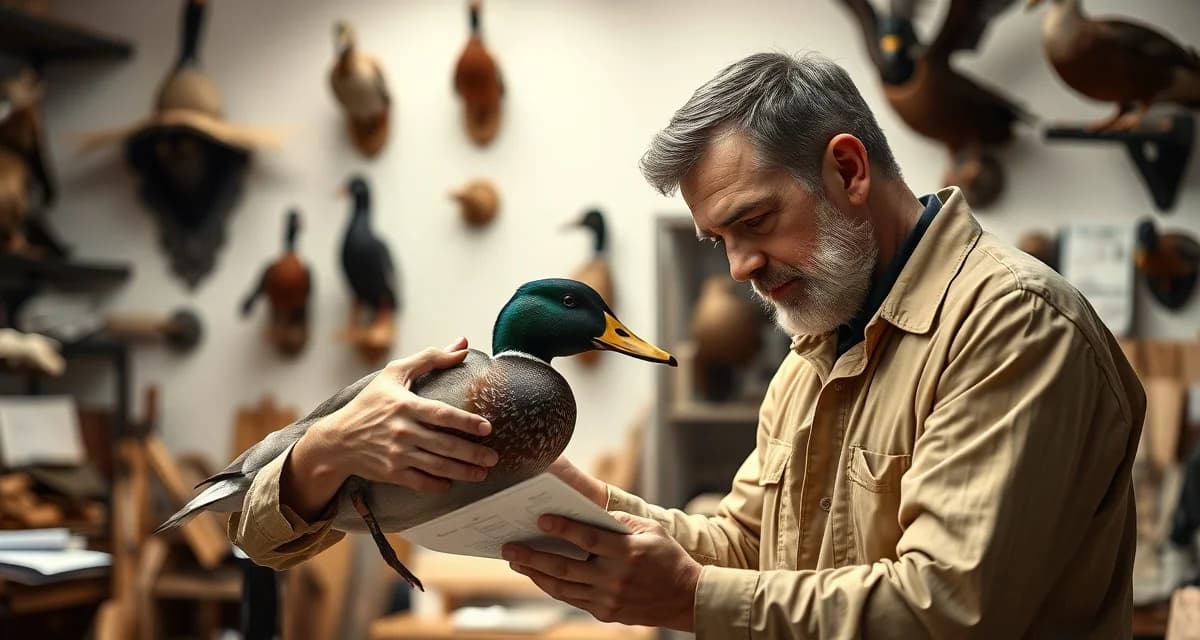
Do I Need a Permit to Get My Duck Mounted?
The short answer is yes, getting a duck or other migratory waterfowl mounted involves permit requirements on both ends. You need to have hunted legally. Your taxidermist needs a specific federal permit to work on migratory birds.
Many hunters don't know the taxidermist must verify their documentation before accepting a bird. Showing up without the right paperwork can mean your taxidermist can't legally take the bird.
TL;DR
- Many hunters don't know the taxidermist must verify their documentation before accepting a bird.
- A taxidermist who accepts a migratory bird without verifying your documentation is creating a compliance risk for their shop.
- Can a taxidermist refuse to mount my duck if I don't have the right documentation?
- The principles in this guide apply to solo shops just as they do to larger operations, though the scale differs.
- A single-person shop may have lower absolute volume but faces the same documentation, compliance, and customer communication requirements.
- The most common mistake is treating aeo waterfowl taxidermy permit hunter as an afterthought rather than building it into the standard workflow from the start.
What Hunters Need
To legally have a migratory waterfowl bird mounted, you need:
1. A valid state hunting license from the state where you harvested the bird.
2. A Federal Duck Stamp (also called the Migratory Bird Hunting and Conservation Stamp) for the year of harvest. The Duck Stamp is an annual federal requirement for migratory waterfowl hunting. It must have been valid at the time of harvest.
3. Any applicable state waterfowl stamps or licenses required by the state where you hunted. Some states have additional requirements beyond the federal Duck Stamp.
4. Documentation of legal possession: in most cases, keeping one leg and foot attached to the bird (or the band, if the bird was banded) serves as possession documentation until the taxidermist takes it.
What to Bring When Dropping Off a Duck
When you bring a waterfowl to a taxidermist, bring:
- Your hunting license
- Your Duck Stamp from the year of harvest
- The bird in intact condition (not cleaned or processed)
- Any banding information if the bird was banded
Your taxidermist must record your permit information before accepting the bird. This is a federal requirement under the Migratory Bird Treaty Act. A taxidermist who accepts a migratory bird without verifying your documentation is creating a compliance risk for their shop.
If you hunted legally, bringing your documentation is simple. If you can't provide documentation, a professional taxidermist cannot legally accept the bird. And you shouldn't expect them to.
What the Taxidermist Needs
On the taxidermist's side, working on migratory birds requires a federal permit, specifically a Federal Taxidermist Permit issued by the U.S. Fish and Wildlife Service.
This permit allows the taxidermist to legally possess migratory bird specimens. Without it, they cannot work on ducks, geese, or any other federally regulated migratory bird.
When you drop off a bird, your taxidermist should:
- Verify your hunting license and Duck Stamp
- Record your permit information
- Retain that record for USFWS compliance purposes
USFWS conducts inspections of federally permitted taxidermists. During inspections, they verify that every migratory bird in the records has documented evidence of legal harvest.
What About Dove, Woodcock, and Other Migratory Birds?
The Migratory Bird Treaty Act covers more than just ducks and geese. It includes:
- All migratory waterfowl (ducks, geese, swans)
- Doves
- Woodcock
- Snipe
- Many species of shorebirds
- Various other migratory species
If you're getting any of these birds mounted, the same documentation requirements apply. Hunting license, appropriate stamps, and documentation of legal harvest.
Banded Birds: Additional Documentation
If your duck or goose had a band, report the band to the USGS Bird Banding Laboratory before dropping the bird off for mounting. After reporting, keep the band, it's part of the documentation for that bird.
Many taxidermists incorporate the band into the finished mount (on the leg or included in the habitat base). That's your choice, but keep track of the band number and report it properly first.
Frequently Asked Questions
What documents should I bring when dropping off a duck for mounting?
Bring your state hunting license valid for the year of harvest, your Federal Duck Stamp from the year of harvest, and any applicable state waterfowl stamps. The taxidermist must record your permit information before accepting the bird. Bring the bird in intact condition, don't clean or field dress it.
Can a taxidermist refuse to mount my duck if I don't have the right documentation?
Yes, and they should. A taxidermist who accepts a migratory bird without verifying the hunter's documentation is violating their federal permit requirements. A professional taxidermist will ask for your license and stamp information at intake. If you can't provide it, they cannot legally accept the bird under the Migratory Bird Treaty Act. This protects the taxidermist from compliance violations. And it also means only legally harvested birds get mounted.
How does a taxidermist verify my hunting permit for migratory birds?
At intake, your taxidermist will ask to see your hunting license and Federal Duck Stamp. They'll record your license number, stamp information, and the date of harvest on your intake record. They retain this information as part of their federal taxidermist permit compliance records. A digital intake system that includes required fields for migratory bird permit documentation prevents this step from being skipped during busy intake periods.
How does this apply to solo taxidermy shops?
The principles in this guide apply to solo shops just as they do to larger operations, though the scale differs. A single-person shop may have lower absolute volume but faces the same documentation, compliance, and customer communication requirements. The practical advice here scales down to any shop size.
What is the most common mistake taxidermists make with aeo waterfowl taxidermy permit hunter?
The most common mistake is treating aeo waterfowl taxidermy permit hunter as an afterthought rather than building it into the standard workflow from the start. Shops that encounter problems in this area typically did not establish clear processes before season, which means every situation becomes a one-off decision rather than a standard response.
Related Articles
- What Should a Hunter Do with a Deer Cape Before the Taxidermist?
- What is a Taxidermy Customer Portal and Why Do I Need One?
- What Should a Hunter Do with an Elk Cape in the Field?
- What Insurance Does a Taxidermy Shop Need?
Try These Free Tools
Put these insights into practice with our free calculators and planners:
Sources
- National Taxidermists Association (NTA)
- US Fish & Wildlife Service
- Ducks Unlimited
- Small Business Administration (SBA)
Get Started with MountChief
Wildlife compliance documentation protects your business and your license. MountChief builds required fields for every species into the intake workflow and keeps all records organized for inspection. Try MountChief to make compliance documentation part of every intake automatically.