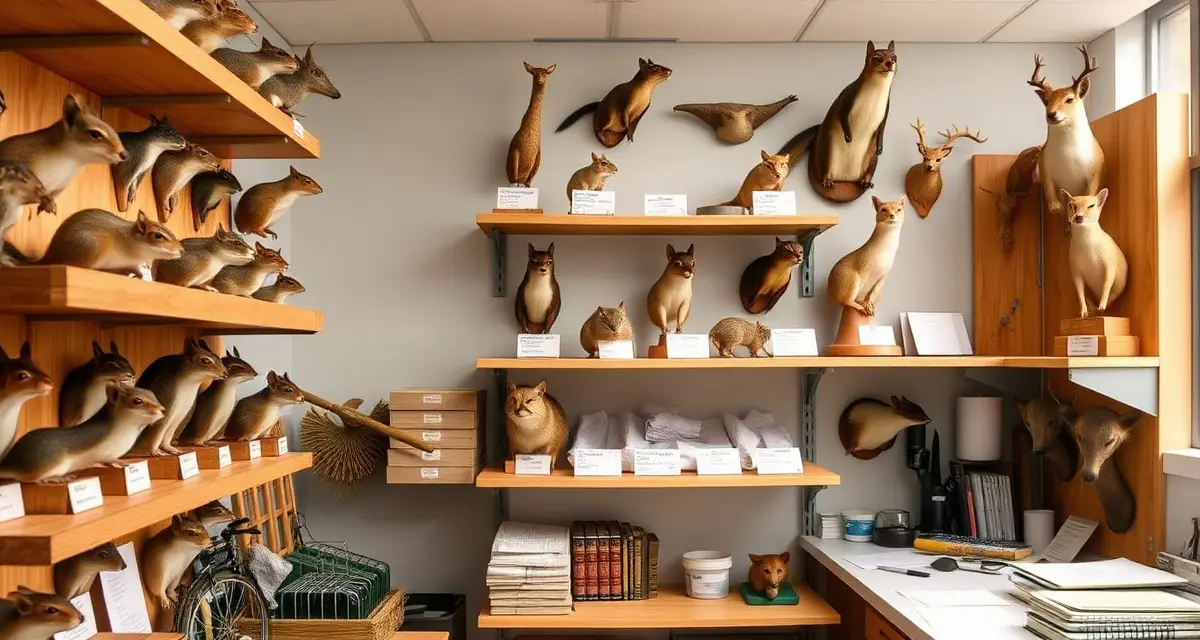
Small Mammal Taxidermy Job Tracking: Squirrel Fox and Mink Mounts
Small mammal mounts represent 10-15% of shop volume but 30% of specimen mix-up incidents. That statistic doesn't happen by accident. It happens because most shops treat small mammal intakes as less important than deer or elk, and the tracking reflects that attitude.
A squirrel mix-up is still a mix-up. A fox mount delivered to the wrong customer is still a problem that costs you time, money, and a customer relationship. Small mammals deserve the same systematic intake treatment as any other species. Just adapted to their faster pace.
This guide covers how to set up quick, accurate small mammal taxidermy tracking that prevents the queue backlog and mix-up problems that paper-based systems create.
TL;DR
- Fox mounts take 6-12 weeks, depending on whether you send the pelt to a tannery.
- Mink, marten, and similar fur-bearers take 6-10 weeks.
- Small mammal mounts represent 10-15% of shop volume but 30% of specimen mix-up incidents.
- Gray squirrel mounts typically take 4-8 weeks.
- It happens because most shops treat small mammal intakes as less important than deer or elk, and the tracking reflects that attitude.
- Take 30 seconds to show the customer examples and confirm their preference.
Why Small Mammal Mounts Get Mixed Up
Small mammals are physically similar in ways that large game are not. Two gray squirrels look nearly identical. Multiple foxes from the same area have similar coloring and body size. Mink and marten can look very similar at first glance.
Add the tendency to process multiple small mammal intakes at once (they often come in batches when trappers bring in their catch) and the mix-up risk becomes clear. If five squirrels from three different customers enter your shop on the same day and they're not individually tagged and tracked immediately, you're relying on memory to keep them straight.
Paper-based systems create queue backlogs because the intake process is slow enough that shops delay doing it. MountChief's quick intake for small mammals is designed to be fast enough that you process each animal immediately, before the pile grows.
How to Track Small Mammal Mount Orders
Step 1: Immediate Individual Tagging
Every specimen gets tagged the moment it enters the shop. Don't batch them. Tag each one individually with a waterproof label bearing the job number.
For small mammals, durable leg tags or body wrap tags work well. The tag links the physical specimen to its digital job record. If a tag falls off (which happens), the job record still exists and can be searched by customer name or date.
MountChief generates QR-tagged job numbers at intake. Each small mammal gets its own QR tag that links directly to the full digital record. A quick scan tells you exactly what the specimen is, who it belongs to, and what the customer wants.
Step 2: Quick Intake Fields for Small Mammals
Small mammal intake should take under three minutes. You need:
- Customer name and contact
- Species (squirrel, fox, coyote, mink, weasel, marten, beaver, otter, badger, etc.)
- Sex if determinable
- Condition at intake (fresh, frozen, beginning to thaw, damaged)
- Mount type (full body, wall mount, rug, skull-only)
- Pose preference
- Habitat or mount base preference
- Deposit collected
- Estimated completion date
That's it. Don't overcomplicate small mammal intake, the goal is speed and accuracy, not thoroughness for its own sake.
Step 3: Condition Documentation
Pelt condition matters more for small mammals than for large game in some respects. Fur-bearing animals like fox, mink, and marten have fur quality that directly affects the mount's appearance. A fox with significant rub damage or mange may not produce a high-quality mount.
Document pelt condition at intake:
- Prime: Full, undamaged fur, ideal for mounting
- Good: Minor wear, still mountable to a high standard
- Fair: Visible wear or damage, discuss realistic expectations with customer
- Poor: Significant damage, may affect whether mounting is viable
Step 4: Pose Selection
Small mammals have significant pose variety. Fox poses range from walking to sitting to hunting crouch to standing alert. Squirrels can be posed on logs, eating nuts, climbing, or in running poses.
Capture specific pose preference at intake. If the customer says "natural pose," ask for more detail. "Natural, like it's sitting on a log" is actionable. "Natural" alone is not.
Step 5: Mount Type Confirmation
Small mammals are frequently mounted in ways that differ from big game:
- Full-body mount: Most common for display animals (fox, squirrel, mink)
- Half-body/wall plaque: Less common but used for some species
- Rug mount: Common for beaver, badger, and some medium mammals
- European skull: Some customers want skull-only displays
Confirm and record the mount type at intake. Changing the mount type halfway through production wastes materials.
Species-Specific Considerations
Fox (Red, Gray, Arctic)
Fox mounts are among the most common small-to-medium mammal mounts. Red fox, gray fox, and arctic fox (less common in the US) each have distinct coloring that affects painting and finishing.
Document the species specifically. A red fox in winter coat is different from summer phase. Gray fox coloring varies by individual. These details matter when you're finishing the mount months later.
Squirrel (Gray, Fox, Red)
Squirrels are common small mammal mounts, often brought in by hunters or by families who want to preserve a memorable first hunting experience. They're relatively quick to mount but benefit from careful skin preparation to avoid hide shrinkage.
The pose for squirrels is especially important to capture at intake because customers often have specific visions. On a branch, at the base of a tree, eating an acorn. These are all different physical poses that require planning.
Mink and Marten
Mink and American marten are similar in size and are sometimes confused with each other. Confirm species at intake with the customer. Pelt quality is critical for these animals. Trappers who bring in mink and marten for mounting often have high quality standards from their trapping experience.
Coyote
Coyotes are larger than the other small mammal species mentioned here but are often tracked in the same workflow. They're common, and shops receive them from hunters, ranchers, and predator hunters throughout the year. Full-body or shoulder mounts are both common.
Beaver, Badger, and Otter
These are less common but distinctive mounts. Rug mounts for beaver and otter are traditional. Badger full-body mounts are popular in the Midwest and Plains states. Each requires species-specific form selection and skin preparation approaches.
Managing Batch Small Mammal Intakes
Trappers often bring in multiple animals at once. This is where small mammal mix-ups happen most frequently in paper-based shops. Six mink or five foxes from one trapper, done with a single batch note, creates confusion when those animals are in various stages of production months later.
With MountChief, each animal (even within a batch from one customer) gets its own job record and its own physical QR tag. The customer may have one customer record, but each animal is tracked individually through production.
Common Small Mammal Intake Mistakes
Grouping multiple animals under one record. Each specimen is its own job. Don't save intake time by combining three gray squirrels into one record. You'll pay for it later.
Not photographing small mammals at intake. Small mammals are just as worth photographing as deer. Fur condition, pose reference, and any distinctive markings should be documented.
Skipping the pose discussion. "Whatever looks good" is not a pose preference. Take 30 seconds to show the customer examples and confirm their preference.
Storing without adequate labeling. Small mammals in shared cold storage need clear, durable individual labels. Masking tape labels fall off. Waterproof QR tags don't.
Related Articles
- Taxidermy Job Tracking: Stop Losing Mounts and Status Calls
- Bear Taxidermy Job Tracking: Manage High-Risk High-Value Specimens
- Deer Taxidermy Job Tracking: Manage Whitetail Season Volume
- Exotic Species Taxidermy: CITES Compliance and Job Tracking
FAQ
How do I track small mammal mount orders?
Create an individual job record for each specimen at intake, even if multiple animals come from the same customer. Tag each specimen with a waterproof label linked to its job number. Record species, condition, pose, and mount type. Attach intake photos. MountChief's small mammal taxidermy tracking provides a quick intake workflow designed for the speed small mammal intake requires without sacrificing accuracy.
How long does a fox or squirrel mount take?
Gray squirrel mounts typically take 4-8 weeks. Fox mounts take 6-12 weeks, depending on whether you send the pelt to a tannery. Mink, marten, and similar fur-bearers take 6-10 weeks. Coyote takes 8-14 weeks. These timelines assume current workload, during peak deer season, small mammal work may be pushed back. Set honest expectations at intake.
What are common mistakes in small mammal taxidermy intake?
The three most common: not individually tagging each specimen (leading to mix-ups), skipping the pose discussion (leading to disputes at pickup), and grouping multiple animals under one record (leading to tracking errors). A fourth is not documenting pelt condition at intake, which removes your protection if a customer disputes the finished mount's quality. MountChief's intake workflow prompts for all of these fields so they're not skipped during a busy intake day.
How does this apply to solo taxidermy shops?
The principles in this guide apply to solo shops just as they do to larger operations, though the scale differs. A single-person shop may have lower absolute volume but faces the same documentation, compliance, and customer communication requirements. The practical advice here scales down to any shop size.
What is the most common mistake taxidermists make with small mammal taxidermy tracking?
The most common mistake is treating small mammal taxidermy tracking as an afterthought rather than building it into the standard workflow from the start. Shops that encounter problems in this area typically did not establish clear processes before season, which means every situation becomes a one-off decision rather than a standard response.
Try These Free Tools
Put these insights into practice with our free calculators and planners:
Sources
- National Taxidermists Association (NTA)
- US Fish & Wildlife Service
- Small Business Administration (SBA)
Give Small Mammals the Tracking They Deserve
Small mammals aren't small problems when they get mixed up or mishandled. A fox mix-up is just as damaging to a customer relationship as a deer mix-up.
Quick intake workflows, individual specimen tracking, pose selection at intake, and QR tag identification. MountChief's small mammal taxidermy tracking brings the same professional approach to squirrels, foxes, and mink that your big game workflow brings to deer and elk.
Start your free MountChief trial and end small mammal mix-ups in your shop.
Get Started with MountChief
Keeping compliance records accurate, customers informed, and specimens on schedule takes more than a whiteboard. MountChief gives taxidermists the tools to manage it all digitally.