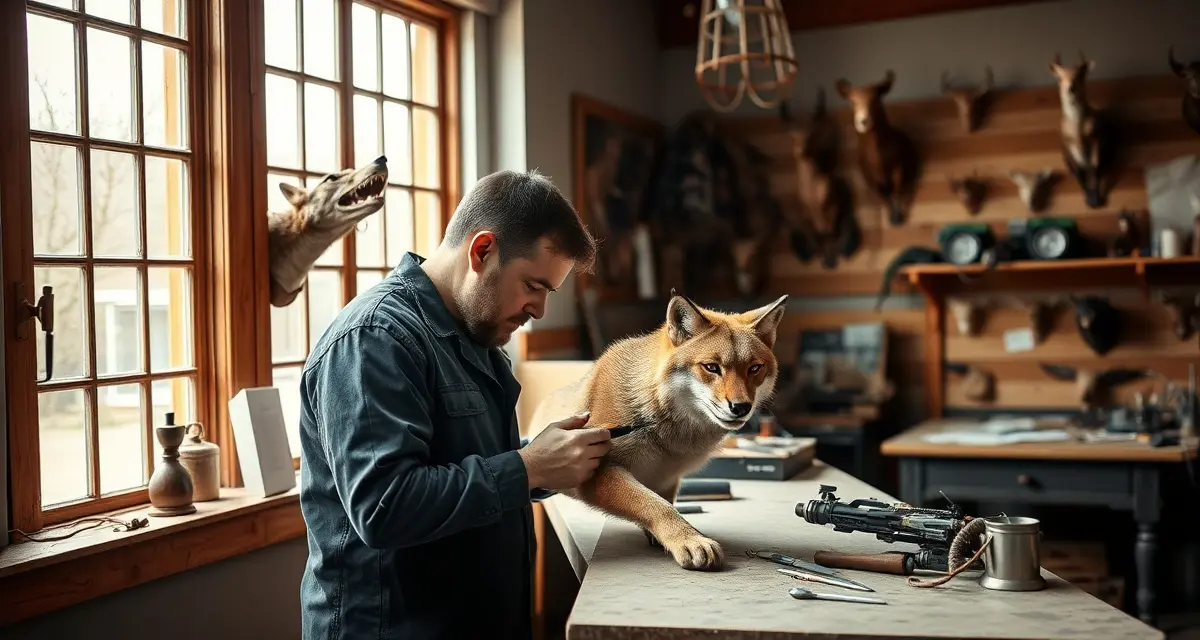
Predator Mount Job Tracking: Coyote, Bobcat, and Mountain Lion
Predator mount season is year-round. Unlike deer, which create a concentrated seasonal surge, predators come in steadily throughout the year, coyotes from January trapping, bobcats from fall seasons, mountain lions from western states with active lion seasons. This steady background intake requires the same tracking discipline as deer season, just spread across 12 months.
Bobcat pelts require CITES documentation in many states for interstate transport. Mountain lion may require CITES documentation depending on the species and country of origin. These requirements catch taxidermists off guard more often than any other domestic species.
TL;DR
- This steady background intake requires the same tracking discipline as deer season, just spread across 12 months.
- full-body coyote mount typically takes 2 to 4 months.
- Coyotes going through a commercial tannery for soft tan take 6 to 10 weeks in the tannery.
- Most coyote work can be completed in under 6 months, which is worth communicating to customers who may expect deer-length timelines.
- Bobcat pelts require CITES documentation in many states for interstate transport.
- Mountain lion may require CITES documentation depending on the species and country of origin.
Predator Species and Their Compliance Complexity
Coyote
Coyotes are generally unregulated or minimally regulated for possession and mounting across most states. Some states require documentation of legal harvest (hunting or trapping license), but most don't require permit documentation for coyote mounts.
Intake needs: Customer info, harvest date and state, mount style.
Bobcat
Bobcat is where many taxidermists run into unexpected compliance requirements. Bobcat (Lynx rufus) is listed under CITES Appendix II. While this doesn't affect your ability to accept and mount bobcat hides from customers who legally harvested them in the US, it does create documentation requirements for any interstate transport of bobcat products.
Intake needs: Customer info, harvest state and date, hunting/trapping license documentation, mount style. Note in the record that any interstate transport will require CITES documentation.
Mountain Lion
Mountain lion seasons are managed by individual western states. Not all states have legal mountain lion hunting seasons, and the compliance landscape is complex.
Intake needs: State game tag and license, harvest documentation, state CITES notes if applicable. Some states require mountain lion skull reporting.
The CITES Documentation Reality for Bobcat
Here's the practical situation many taxidermists haven't fully worked through: if a customer drops off a bobcat in Missouri, and they want the finished mount shipped to their home in Kansas, that's interstate transport of a CITES Appendix II species.
That doesn't mean it's illegal. It means it needs documentation:
- The hunter's valid Missouri hunting/trapping license
- Documentation of legal take
- Your intake records linking the pelt to the legal harvest documentation
MountChief flags bobcat species at intake with a note about CITES documentation requirements for any interstate transport or sale.
Predator Tannery Considerations
Predator pelts, especially fox, coyote, and bobcat, require experienced tannery handling. The soft finish expected on predator mounts isn't achievable from every tannery. Your deer tannery may not be your best choice for predator work.
Establish a predator-specific tannery relationship if you're handling significant volume. MountChief tracks predator tannery shipments separately from deer shipments.
Year-Round Production Management
The advantage of predator work is the year-round distribution. The challenge is that it's always there, you never fully close the active job list. Managing predator jobs alongside deer, turkey, fish, and other species in progress requires a system that shows you all active jobs regardless of species.
Related Articles
- Bear Taxidermy Job Tracking: Manage High-Risk High-Value Specimens
- Bird Taxidermy Job Tracking: Manage Waterfowl and Turkey Mounts
- Elk Taxidermy Job Tracking: Manage High-Value Trophy Mounts
- Exotic Species Taxidermy: CITES Compliance and Job Tracking
FAQ
How do I track predator mount jobs?
Digital job records with species-specific intake fields and production stage tracking. Predator jobs are tracked through the same QR code system as other species, intake tag, tannery shipment (if applicable), production milestone updates, and customer portal visibility. Year-round intake means predator jobs are always in some stage of the queue.
What permits are needed for bobcat or mountain lion mounts?
For bobcat, your customer needs a valid hunting or trapping license from the state of harvest. You need documentation of that legal take. For interstate transport or sale of bobcat products, CITES Appendix II documentation is required. For mountain lion, state game tag and license documentation is required. Some western states have additional reporting requirements for lion skulls. MountChief flags these requirements at intake automatically.
How long does a coyote mount take to complete?
A full-body coyote mount typically takes 2 to 4 months. Coyotes going through a commercial tannery for soft tan take 6 to 10 weeks in the tannery. Production time is modest compared to deer or elk. Most coyote work can be completed in under 6 months, which is worth communicating to customers who may expect deer-length timelines.
How does this apply to solo taxidermy shops?
The principles in this guide apply to solo shops just as they do to larger operations, though the scale differs. A single-person shop may have lower absolute volume but faces the same documentation, compliance, and customer communication requirements. The practical advice here scales down to any shop size.
What is the most common mistake taxidermists make with predator mount tracking?
The most common mistake is treating predator mount tracking as an afterthought rather than building it into the standard workflow from the start. Shops that encounter problems in this area typically did not establish clear processes before season, which means every situation becomes a one-off decision rather than a standard response.
Try These Free Tools
Put these insights into practice with our free calculators and planners:
Sources
- National Taxidermists Association (NTA)
- US Fish & Wildlife Service
Get Started with MountChief
From the moment a specimen arrives to the day a customer picks it up, MountChief keeps every detail, document, and conversation in one organized system.